
To support clean, safer, and modern shipping in the EU, today the Council adopted four new pieces of legislation of the so-called ‘maritime safety’ legislative package, namely those amending the relevant directives on: the investigation of accidents in the maritime transport sector, ship-source pollution, compliance with flag state requirements, and port state control.
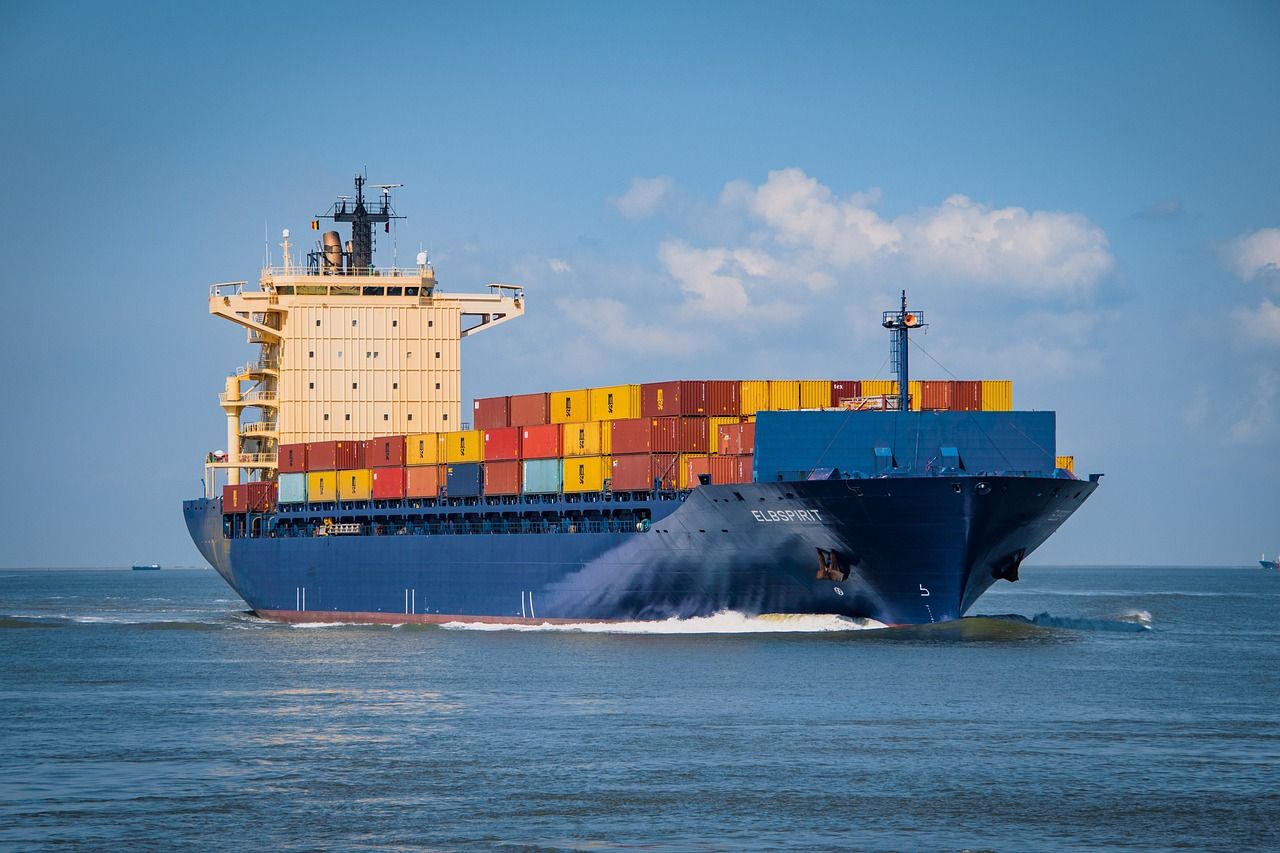
The revised ‘package’ achieves a careful balance between, on the one hand, the need to ensure a high quality of shipping and, on the other, the need to safeguard the competitiveness of the European shipping sector, while also maintaining reasonable costs for operators and member states’ administrations. Overall, it will equip the EU with modern tools to support clean shipping by aligning EU rules with international standards while improving implementation and enforcement through an enhanced cooperation framework between European and national authorities.
Directive on accidents investigation
The revised directive on investigation of accidents in the maritime sector:
- improves the protection of fishing vessels, their crews, and the environment, with fishing vessels less than 15 metres in length now included within the scope of the directive, meaning that accidents involving fatalities and loss of vessels will be investigated in a harmonised way
- clarifies the definitions and the legal provisions so that member states’ accident investigation bodies investigate all accidents that need to be investigated in a timely and harmonised manner
- enhances the capacity of accident investigation bodies to conduct and report on accident investigations in a timely, expert, and independent manner
- updates several definitions and references to relevant EU legislation and IMO regulations, to ensure clarity and consistency
- enables accident investigation bodies to conduct accident investigations in a harmonised way throughout the EU by making the existing rules clearer and more consistent with international regulations
- strengthens the provisions regarding the independence of accident investigation bodies and the confidentiality of their findings and reduces unnecessary administrative burdens.
Directive on ship-source pollution
The revised directive incorporates international standards into EU law, ensuring that those responsible for illegal discharges of polluting substances are subject to dissuasive, effective, and proportionate penalties to improve maritime safety and better protect the marine environment from pollution by ships. The revised law therefore:
- extends the scope of the current directive to cover illegal discharges of harmful substances in packaged form, sewage, garbage and discharged waters and residues from exhaust gas cleaning systems
- establishes a strengthened legal framework for administrative penalties and their effective application, enabling national authorities to ensure a dissuasive and consistent imposition of sanctions to ship-source pollution incidents in all European seas
- separates the administrative sanctions regime from the criminal sanctions’ regime enshrined in the new draft environmental crimes directive
- ensures clarity and coherence with international rules and procedures, particularly those of the international convention for the prevention of pollution from ships (MARPOL), in the interest of protection of the marine environment.
Directive on compliance with flag state requirements
The directive regulates the enforcement of rules applicable to flag state at the EU level. The responsibility for monitoring the compliance of ships with the International Maritime Organisation (IMO) conventions lies with the state where the ship is registered and whose nationality the ship holds: the flag state. The revised directive therefore:
- updates the current legislation and aligns it with international rules, mainly regarding the IMO instruments implementation code (‘III code’)
- ensures adequate inspections of flagged ships and monitoring oversight of recognised organisations working on behalf of the flag state
- ensures a higher uptake of digital solutions
- ensures a harmonised approach in the understanding, reporting, and measuring of the performance of flag states’ fleets and duties.
Directive on port state control
Port state control (PSC) is a system of inspection of foreign ships in ports of states other than the flag state by PSC officers, to verify that the competency of the master, officers and crew on board, the condition of a ship, and its equipment comply with the requirements of international conventions and, in the EU, with applicable EU law. As such, PSC is important in ensuring maritime safety and in protecting the marine environment. The revised directive:
- updates EU legislation and aligns it with international rules and procedures as set out in the Paris memorandum of understanding (MoU) and IMO conventions,
- protects fishing vessels, their crews, and the environment, including by introducing a voluntary inspections regime for larger fishing vessels (more than 24 metres in length),
- ensures an efficient and harmonised approach to carrying out PSC inspections.
Next steps
Following their signature by the presidents of the Council and of the European parliament, all four legislative acts will be published in the EU’s Official Journal in the coming weeks and enter into force twenty days after this publication. Member states will have 30 months after the entry into force of the revised directives to transpose their provisions in their national legislation.
Background information
The four legislative proposals form part of the maritime safety ‘package’ together with the one on the European Maritime Safety Agency (EMSA). They were submitted by the Commission on 1 June 2023 aiming to modernise EU rules on maritime safety and reduce water pollution from ships. With 75% of the EU’s external trade being seaborne, maritime transport is not only the artery of a globalised economy, but also a lifeline for the EU’s islands and peripheral and remote maritime regions. Although maritime safety in EU waters is currently very high, with few fatalities and no recent major oil spills, more than 2,000 marine accidents and incidents are still reported every year. Provisional agreements between the co-legislators on the four legislative proposals were reached in February this year.
More information: Council of the European Union.
Publicaciones relacionadas:
 New road charging rules adopted by Council
 Commission adopts new proposal on combining transport modes for more sustainable freight
 European Union signs aviation agreement with the People’s Republic of Bangladesh
 Third building block to enable safe VTOL operation and new air mobility in Europe
 How to develop sustainable and cost-efficient air mobility
Leave a Reply