• Skip to primary navigation
  • Skip to main content
  • Skip to primary sidebar
  • Skip to footer
  • Bluesky
  • Facebook
  • Instagram
  • Twitter
  • YouTube
CDE Almería – Centro de Documentación Europea – Universidad de Almería

CDE Almería - Centro de Documentación Europea - Universidad de Almería

Centro de Documentación Europea de la Universidad de Almería

  • HOME
  • WHAT´S ON
    • EU NEWS
    • Activities
    • EU Calls and Awards
    • Radio Program «Europe with You»
  • DOCUMENTATION
    • EU Media Collection
      • Web Space
      • MEDIATHEQUE REPOSITORY
  • Europe on the net
    • Institutions
    • EU Representation in Spain
    • European information network of Andalusia
  • ABOUT US
    • Presentation
    • Services
    • People
    • Contact
  • Spanish
  • English

Commission adopts new proposal on combining transport modes for more sustainable freight

Inicio » EU News » Environmental Affairs » Transport » Commission adopts new proposal on combining transport modes for more sustainable freight

8 de November de 2023

The proposal on combined transport aims to make freight transport more sustainable by improving the competitiveness of intermodal freight – the transportation of goods using two or more transport modes – vis-à-vis road-only transport.
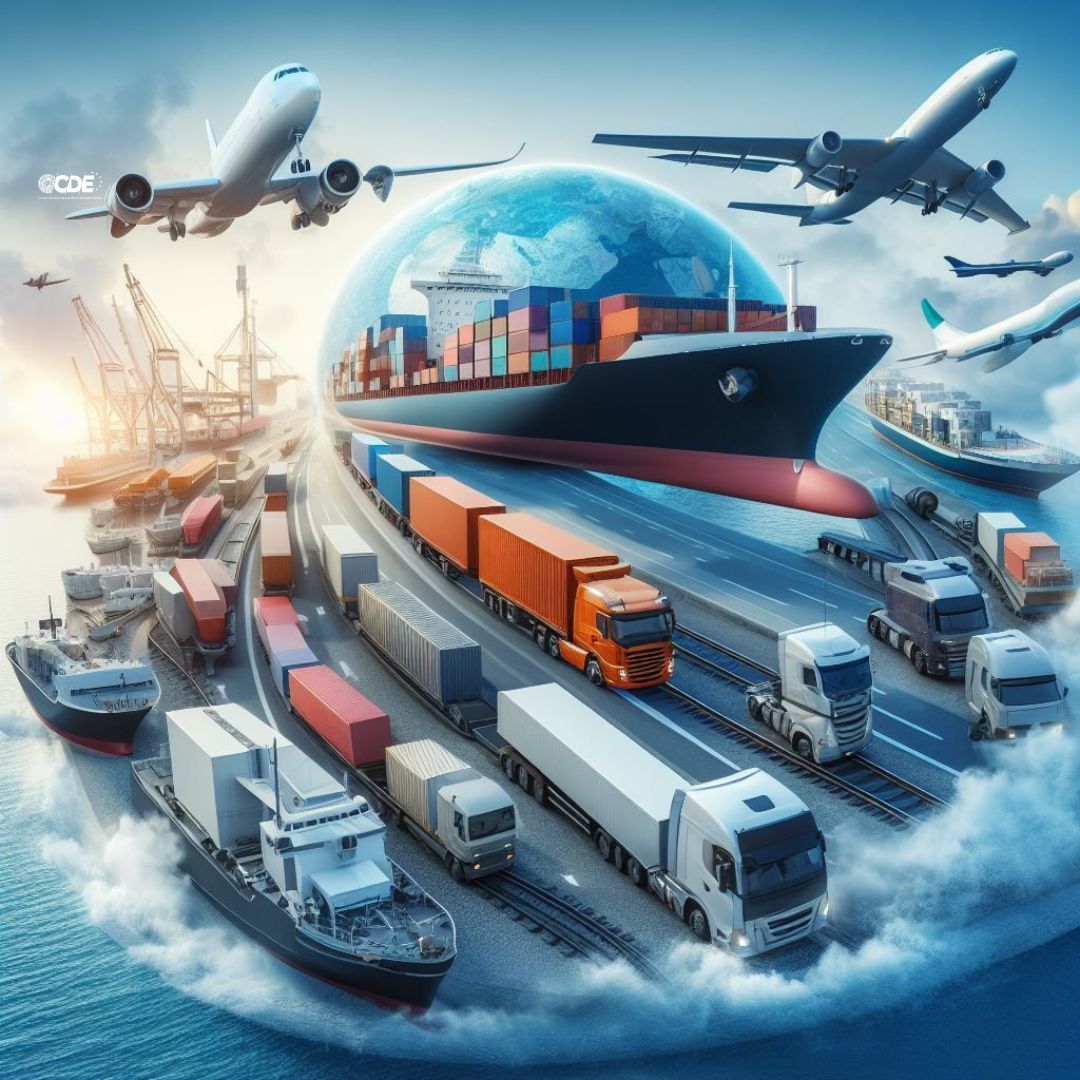
The proposal updates the current Combined Transport Directive and completes the Greening Freight Package, the bulk of which was adopted in July 2023. The package will help the freight sector do its part in the EU achieving its Green Deal goals.

During intermodal transport operations, one loading unit, such as a container, is moved via a combination of lorry, train, barge, ship or plane. Combined transport is a sort of intermodal transport combining the flexibility of road transport, which would still be used for the first/last leg of a journey to ensure that any location in the EU can be reached, with the environmental performcance of rail, inland waterways or short sea shipping for the main leg of the journey.

The revision will make intermodal transport more efficient and competitive. It refocuses support on operations that reduce  by at least 40% the negative externalities compared to road-only operations between the same starting and end points. Digital platforms established under the electronic freight transport information Regulation (eFTI) will provide a calculation tool allowing transport organisers to prove whether their operation is eligible for support. They will submit the necessary information in an accessible manner; accredited digital systems will do the rest.

Transport investment and development in the EU

Alongside existing regulatory measures, the proposal introduces an exemption from temporary driving bans, such as weekend driving bans for combined transport. The aim is to improve the use of terminal and other infrastructure capacity by allowing trucks carrying out the short feeder legs to reach terminals as and when they need to, based on train, barge or ship departure times.

The proposal sets Member States a competitiveness target to reduce by at least 10% the average door-to-door cost of combined transport operations within 7 years, and requires them to put in place the policies needed to achieve this. A new EU gateway for intermodal transport information will provide links to all Member States’ national policy frameworks, as well as practical information on measures in place, increasing the transparency of national measures.

Terminal operators will also be required to provide minimum information on their websites on the services and facilities at their EU transhipment terminals.

More information: European Commission

Publicaciones relacionadas:
New road charging rules adopted by Council ropaThe Commission is proposing rules to make producers responsible for the full lifecycle of textile products How do Europeans feel about self-driving cars? Fit for 55: Parliament pushes for greener aviation fuels Default ThumbnailHow digitalisation can contribute to more sustainable transport in Europe


Environmental Affairs,  EU News,  International Trade,  Market,  Transport combining transport,  Environment,  intermodal transport,  sustainable,  Transport

“This is a space for debate. All comments, for or against publication, that are respectful and do not contain expressions that are discriminatory, defamatory or contrary to current legislation will be published”.

Reader Interactions

Leave a Reply Cancel reply

Your email address will not be published. Required fields are marked *

This site uses Akismet to reduce spam. Learn how your comment data is processed.

Primary Sidebar

Footer

  • CDE Almería
  • Biblioteca Nicolás Salmerón – Universidad de Almería
  • Planta: 1ª, Despacho: 1.05.0B.
  • Ctra. Sacramento s/n. Almería (Spain)
  • Teléfono: (+34) 950 015266

HOME
NEWS
DOCUMENTATION
EUROPE ON THE NET
ABOUT US

  • LEGAL NOTICE
  • PRIVACY POLICY
  • COOKIE POLICY
  • ACCESSIBILITY
  • SITEMAP

Copyright © 2026 CDE Almería · Creative Commons LicenseThis work is licensed under a Creative Commons Attribution-NonCommercial 4.0 International License.

<p>El Centro de Documentación Europea de la Universidad de Almería utiliza cookies propias y de terceros para facilitar al usuario la navegación en su página Web y el acceso a los distintos contenidos alojados en la misma. Asimismo, se utilizan cookies analíticas de terceros para medir la interacción de los usuarios con el sitio Web. Pinche el siguiente enlace si desea información sobre el uso de cookies y como deshabilitarlas. </p>

Politica de privacidad

El Centro de Documentación Europea de la Universidad de Almería utiliza cookies propias y de terceros para facilitar al usuario la navegación en su página Web y el acceso a los distintos contenidos alojados en la misma. Asimismo, se utilizan cookies analíticas de terceros para medir la interacción de los usuarios con el sitio Web. Pinche el siguiente enlace si desea información sobre el uso de cookies y como deshabilitarlas. <a href="/politica-de-cookies" rel="noopener" target="_blank">Más información</a>

Cookies estrictamente necesarias

Las cookies estrictamente necesarias tiene que activarse siempre para que podamos guardar tus preferencias de ajustes de cookies.

Básicamente la web no funcionara bien si no las activas.

Estas cookies son:

  • Comprobación de inicio de sesión.
  • Cookies de seguridad.
  • Aceptación/rechazo previo de cookies.
Cookies de terceros

Esta web utiliza Google Analytics, Google Tag Manager y Yandex Metrika para recopilar información anónima tal como el número de visitantes del sitio, o las páginas más populares.

Dejar estas cookies activas nos permite mejorar nuestra web.

Política de cookies

Pinche el siguiente enlace si desea información sobre el uso de cookies y como deshabilitarlas. Más información