
The European Commission has proposed new rules to ensure seamless connectivity on journeys across Europe. The three proposals adopted simplify the planning and booking of tickets for regional, long-distance and cross-border journeys. They focus in particular on rail journeys involving multiple operators and ensure greater protection for rail passengers throughout their journey.
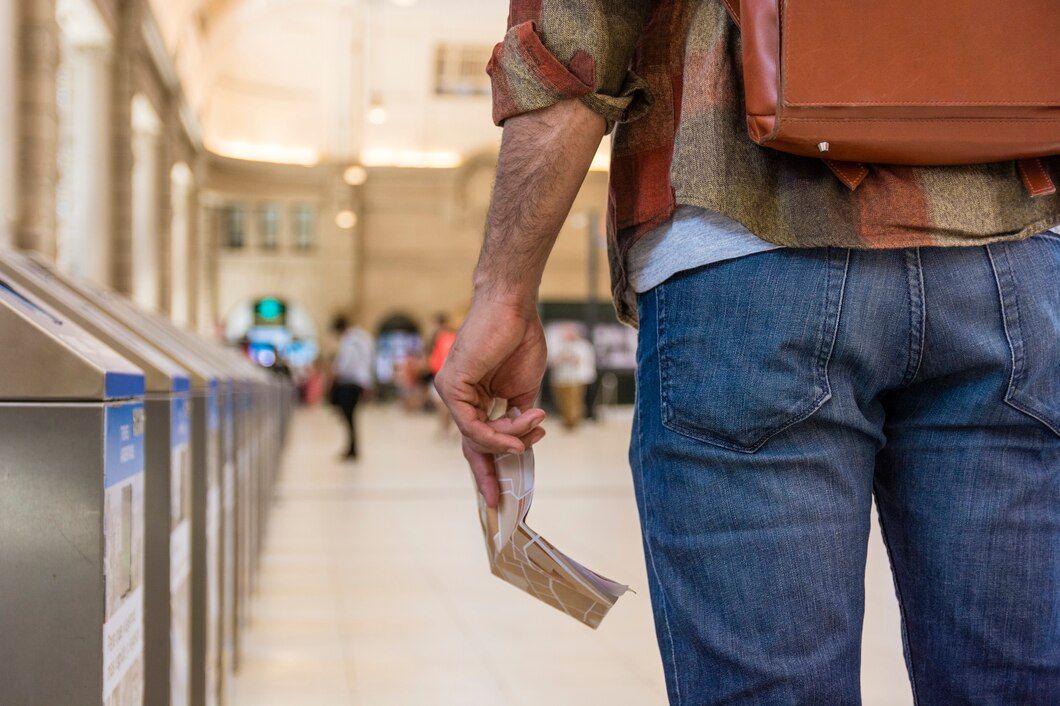
At present, comparing all travel options and finding the most sustainable choice remains difficult for EU passengers, particularly on cross-border journeys; this is especially complicated in the case of train tickets. Many passengers face obstacles when combining different transport services. Booking train journeys with connections that require purchasing tickets from different companies can be complicated, mainly due to the use of disconnected booking systems and the strong market presence of certain rail companies. Passengers have limited protection on journeys involving multiple rail operators.
Today’s proposals address these obstacles and put President Ursula von der Leyen’s policy guidelines into practice. With the aim of promoting a more comfortable travel experience and making further progress towards the EU’s climate goals, the Commission is proposing measures to allow the purchase of a single ticket for journeys involving multiple rail operators. The rail market will thus become more transparent and accessible. Passengers will be able to find, compare and purchase combined services from different operators, which will be integrated into a single ticket, and which they can buy through a single transaction on their preferred sales platform. This could be an independent platform or the rail operator’s own ticketing service. In the event of missing connections during journeys involving multiple operators, passengers with a single ticket will, for the first time, enjoy full protection of their passenger rights, including assistance, alternative journeys, compensation and refunds.
The Commission is also introducing new obligations for sales platforms and operators to ensure fair access to ticket booking and a neutral presentation of all available travel options. Platforms will thus be required to display the various alternatives in a neutral manner and to include a greenhouse gas emissions filter where possible. The rules will ensure that all transport operators can enter into fair, reasonable and non-discriminatory commercial agreements with sales platforms, and vice versa.
Next steps
Following today’s announcement, the Commission will submit the proposed regulations to the Council of the European Union and the European Parliament for consideration under the ordinary legislative procedure.
To develop connected booking and ticketing systems, Member States must speed up the process of implementing the provisions of the Directive on Intelligent Transport Systems relating to the exchange of multimodal transport data at national access points.
Background
A recent Eurobarometer survey revealed that there is strong public demand for well-connected travel and reliable online ticketing systems. Today’s proposals aim to make it easier for passengers to book train tickets when travelling with different operators and across borders.
In her political guidelines, President von der Leyen had already outlined a scenario in which Europeans could buy a single ticket via a platform and enjoy their passenger rights throughout their journey. This aim was reaffirmed in the letter of mandate to the Commissioner for Sustainable Transport and Tourism, Apostolos Tzitzikostas, and is being realised through today’s package of measures for the rail sector.
The proposals also represent a step forward in the EU’s action plan to boost long-distance and cross-border rail transport, as well as the Connecting Europe by High-Speed Rail initiative.
More information: European Commission.
Publicaciones relacionadas:
 The Commission remains committed to halving road accidents by 2030
 Europeans are doing more physical activity, according to the latest Eurobarometer survey
 New EU rules to make the automotive sector more sustainable
 Commission launches whistleblowing tool under the AI Regulation
 The Commission invests over €103 million in strategic European projects on the environment and climate
Leave a Reply