
The European Commission is investing over€103 million in seven strategic projectsacross Europe with funding from the LIFE programme. These projects will help strengthen the EU’s prosperity, reinforce economic stability, food systems and environmental ecosystems, while improving public health and quality of life across the continent.
The selected projects are located inFinland, France, Greece, the Netherlands, Portugal, Slovakiaand Spain. Supporting and accelerating the implementation of EU environmental and climate policies, the projects focus in particular on climate and water resilience, nature restoration, the circular economy and sustainable land use. These projects are expected to mobilise additional national public and private investment.
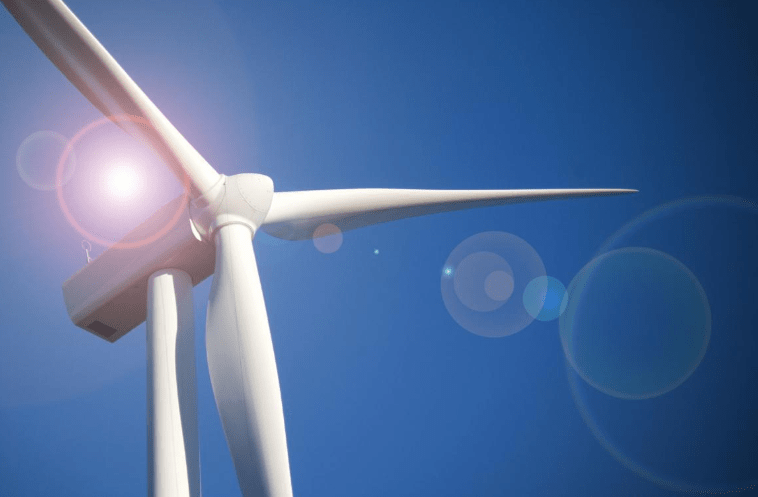
Seven strategic projects awarded in seven EU Member States
InFinland,ACWA LIFEseeksto restore and protect streams, lakes, coastal waters, river basins and groundwaterto ensure the health of water resources and ecosystems. It will receive €16.5 million from the EU.
LIFEADAPT ESTinFrancewill strengthenclimate resiliencein the Grand Est region through increased knowledge about climate, water governance and infrastructure that can withstand extreme weather events. The EU will contribute €15.6 million to this project.
InGreece,LIFE SIP GR Bluefocuses onrestoring marine ecosystems and reducing pollution, marine litter and underwater noise on coasts and islands, strengthening the health of the oceans and coastal livelihoods. The EU will contribute €8.9 million to the project.
In theNetherlands, CEL4LIFE will supportLimburg’s transition to a circular economy. With the aim of halving the use of raw materials in the chemical, manufacturing and construction sectors by 2030, the project will receive €6.9 million from the EU.
InPortugal, the LIFE IP AGRILOOP project will implementcircular solutionsin the Azores in the agroforestry, agri-food and tourism sectors, strengthening resource efficiency on the islands. It will receive €15.8 million in EU funding.
NatAdaptSKinSlovakiaincludesnature-based solutionsfor water, agriculture, forests and biodiversity to reduce climate risks for affected communities. The EU will contribute €10.1 million to the project.
InSpain, LIFE HumedalES is thelargest project funded to date by the LIFE Programme. It aims torestorearound 26,200 hectaresof wetlandsin 107 Natura 2000 sites, improving flood protection, water security and biodiversity. It will receive €29.7 million in EU funding.
Fund
TheLIFE Programmeis the only EU funding programme dedicated entirely to environmental, climate and clean energy objectives. It has co-financed more than 6,500 projects in these areas since 1992 across the EU and associated countries. The funding for the seven strategic projects announced today is part of a larger budget of €5.43 billion allocated to the LIFE programme under the EU’s long-term budget for 2021-2027 (Multiannual Financial Framework). The programme actively contributes to the EU’s 2050 climate neutrality goal under theEuropean Climate Law. These strategic projects also support the objectives of theEU Biodiversity Strategy for 2030, theWater Framework Directive, theMarine Strategy Framework Directiveand theSustainable Urban Mobility Plans, thus contributing to the clean transition. The LIFE Programme is managed by theEuropean Climate, Infrastructure and Environment Executive Agency (CINEA).
The Commission’s proposals for the next Multiannual Financial Framework (MFF)include LIFE actions, highlighting their integration into several components of the MFF and, in particular, into the ‘clean transition and decarbonisation’ area of the European Competitiveness Fund, as well as into the ‘EU Mechanism’ within the National and Regional Plans and Programmes.
Further information: European Commission
Publicaciones relacionadas:
 From the Arctic to the tropics, Commission report sounds alarm bells over ocean health
 The EU is making good progress towards its 2030 CO₂ emissions reduction target
 Protecting Europe’s Wildlife and Habitats with Natura 2000
 Europeans view climate action as a priority and support energy independence
 Commission to cut EU Taxonomy red tape for companies
Leave a Reply