
The European Commission has approved, in accordance with EU state aid rules, a Danish plan worth €1.04 billion (7.8 billion Danish kroner) to support landowners who commit to voluntarily withdrawing agricultural or forestry land from production in order to reduce agricultural emissions.
The Danish measure
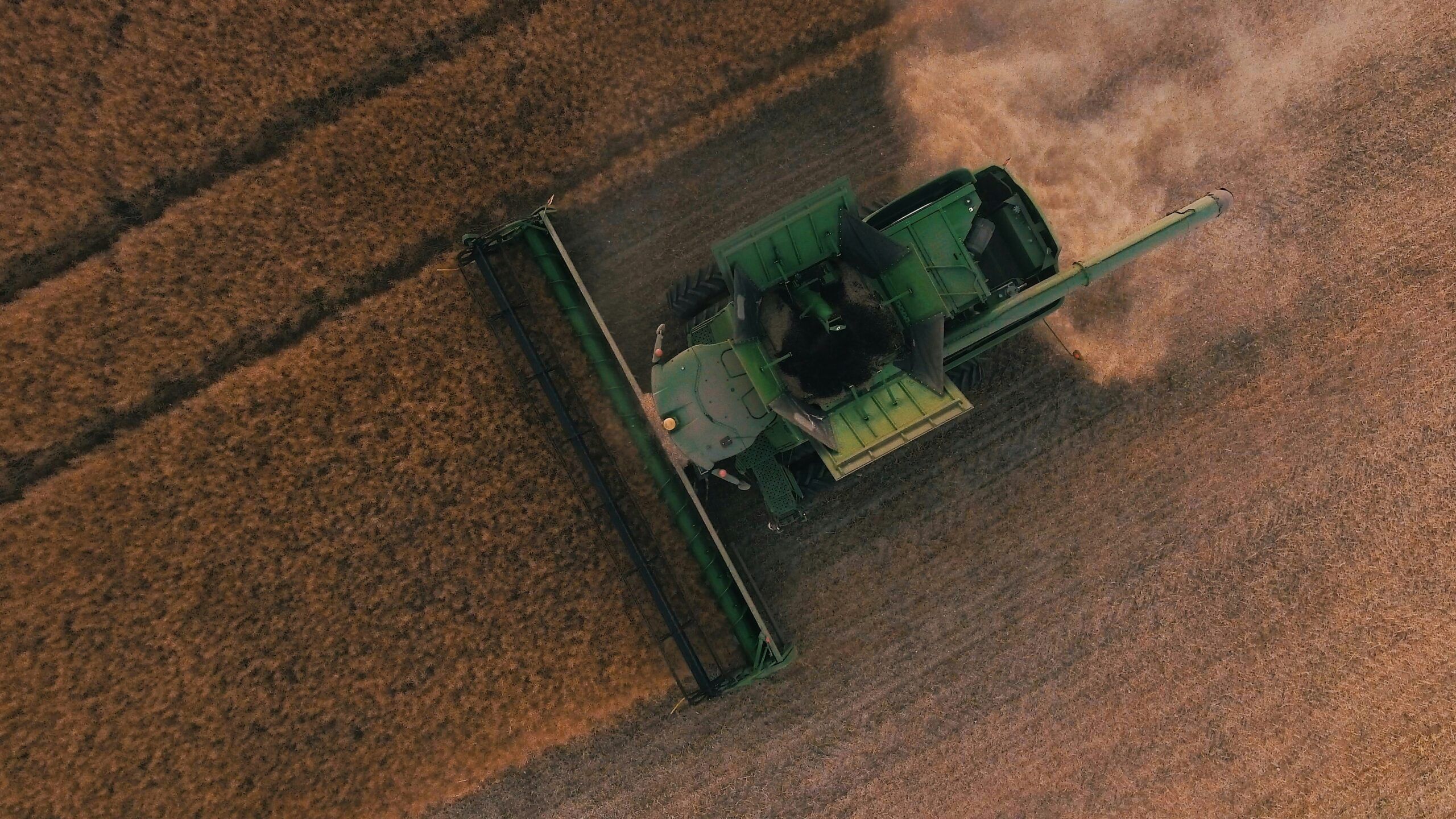
Denmark notified the Commission of its plans to support landowners who voluntarily cease agricultural production on their land in order to reduce greenhouse gas emissions and nitrogen and phosphorus deposits in the aquatic environment. The project involves the permanent extensification of agriculture, which means that the land will not be cultivated and no pesticides or fertilisers will be used. This will lead to the restoration of the soil’s natural hydrology through the creation of wetlands, which in turn will reduce greenhouse gas and nitrogen emissions. To achieve the desired effects, projects may support actions such as the creation or relocation of fences to allow grazing, preserve nature and promote biodiversity.
In areas with forest land connected by water to agricultural land, additional compensation may be granted to landowners who also cease forest production. Forest land that is permanently set aside cannot be returned to forest production, even after a change of ownership, as the aim is to achieve a lasting and long-term environmental and climate impact.
Eligible costs include the cost of non-productive investments, compensation for the permanent loss of income caused by land withdrawal and restrictions imposed, and the legal, administrative and cadastral costs of land consolidation. The programme is part of a Danish initiative to finance a significant transformation of land, with the aim of laying the foundations for a favourable aquatic environment, reducing climate pressure, while providing more space for nature and better conditions for biodiversity, and protecting drinking water. The programme will run until 31 December 2030.
Under the programme, aid will consist of direct grants or benefits in kind, such as technical consultancy or the purchase of goods and services. Aid will be granted to landowners who voluntarily join the programme. The aid will cover up to 100% of eligible costs.
The Commission’s assessment
The Commission assessed the scheme under EU state aid rules, in particular Article107(3)(c)of the Treaty on the Functioning of the European Union (TFEU), which allows Member States to support the development of certain economic activities under certain conditions, and in accordance with the2022 Guidelines on State aid in the agricultural and forestry sectors and in rural areas(the 2022 Agricultural Guidelines).
The Commission concluded that:
- The measure facilitates the development of an economic activity
- The measure has an incentive effect, as the projects would not be carried out without public support;
- The measure is necessary and appropriate to achieve the objectives pursued, and the aid complies with the relevant conditions of the Agricultural Guidelines;
- The aid is proportionate, as it is limited to the minimum necessary and will have a limited impact on competition and trade between Member States;
- The aid has positive effects that outweigh any possible distortion of competition and trade within the EU.
On this basis, the Commission approved the Danish scheme under EU state aid rules.
Fund
The 2022 Agricultural Guidelines provide guidance on how the Commission assesses the compatibility of state aid measures in the sector, in accordance with Article 107(3)(c) TFEU. The Guidelines create a flexible and appropriate framework to help Member States provide the necessary support and contribute, among other things, to the objectives of the Common Agricultural Policy. Their aim is to help Member States design national measures and achieve national and EU objectives at the lowest possible cost to taxpayers and without unduly distorting competition in the Single Market.
More information: European Commission.
Publicaciones relacionadas:
 Agroecology: 14 EU-funded projects that are helping to shape the future of agriculture
 Commission prepares new initiatives to boost the organic farming sector
 The EU reduces farmers’ dependence on imported fertilisers
 Commission proposes safeguards to strengthen protections for EU farmers in EU-Mercosur deal
 Commission proposes measures to support generational renewal in agriculture
Leave a Reply