
The European Commission has published a new report setting outbest practices for the design of agri-environment-climate (AEC) measuresunder the post-2027 CAP.
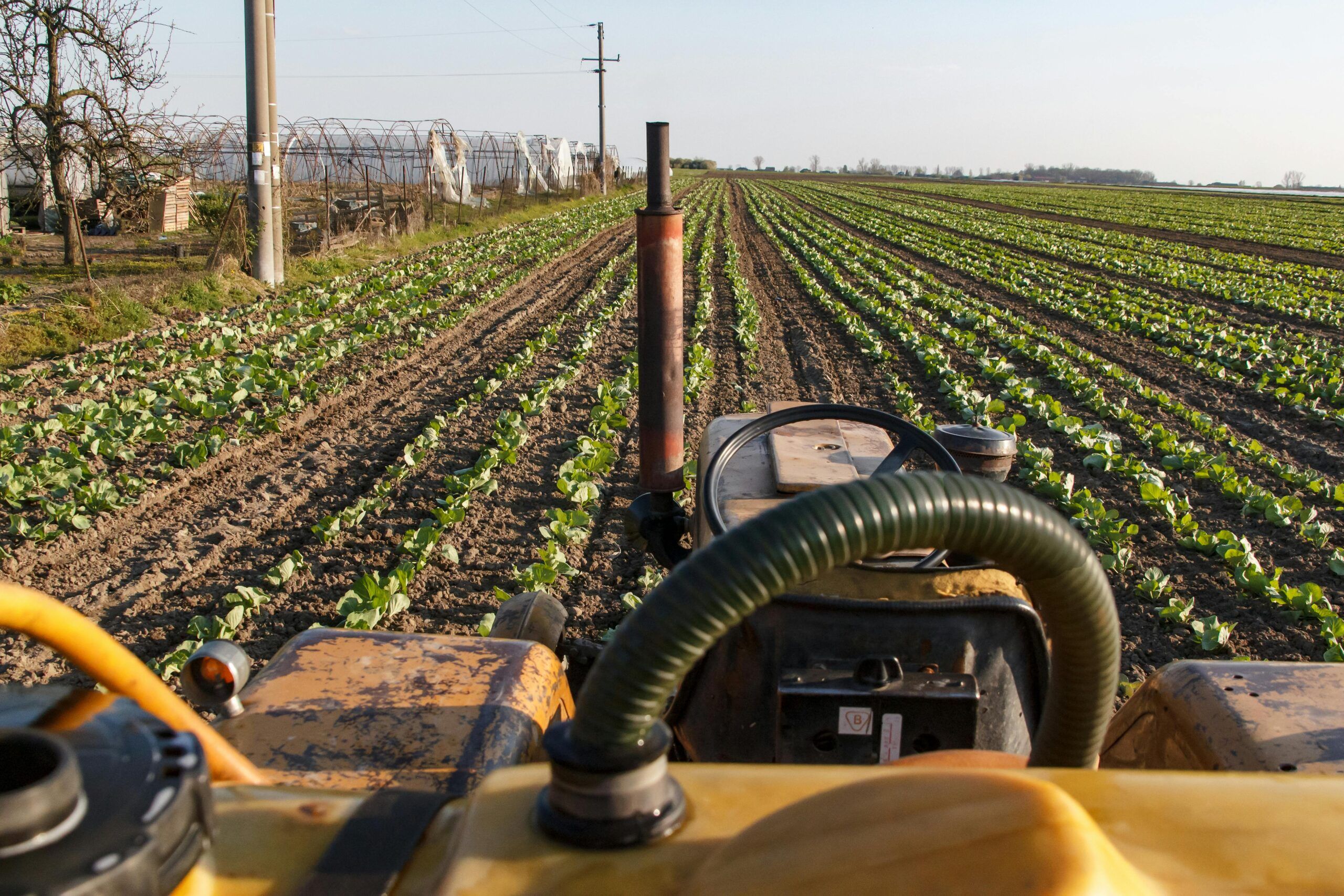
The purpose of this report is to assist Member States in preparing their future CAP plans by providing concrete recommendations, practical steps and examples on how to design measures that are effective, feasible and attractive to farmers.
The report is based on an evaluation of the current CAP Strategic Plans (2023–2027). It identifies successful practices, highlights good examples from Member States and sets out around20 practical measuresto support the design of more effective agri-environment-climate actions in the next programming period.
A stronger and simpler framework for sustainable agriculture.
The results of the current CAP underline the importance of agri-environmental and climate support based on geographical areas. In the EU budget for 2025, around28% of total public funding under the CAPwas allocated to eco-schemes and agri-environmental and climate commitments (AECC).
In terms of coverage:
- Schemes applied to over 60% of the EU’s agricultural area(98.3 million hectares),
- AECCs covered12% of agricultural land(19.6 million hectares).
Other estimates show similarly high uptake, with eco-schemes and environmental carbon credits covering the majority of the EU’s agricultural land. This is a significant finding which confirms that EU agriculture already plays an important role in environmental protection and climate action, and that many farmers are willing to adopt more sustainable practices and systems provided they are rewarded for the efforts made and the risks taken.
Looking ahead, environmental sustainability remains a key priority in the CAP post-2027, and43% of the proposed EU expenditure under the future National and Regional Partnership Plans (NPPs)is expected tocontribute to environmental and climate objectives.
To underpin this ambition, the future CAP introduces a simpler framework for environmental and climate action:agri-environment-climate actions (AECA)as a single instrument, which will merge the current eco-schemes and AECC. The aim is to simplify the policy framework and improve the effectiveness of support.
The new approach also includes:
- afarm management systemcombining conservation practices and statutory management requirements;
- support for green investments, both productive and non-productive, to improve resource efficiency and agricultural competitiveness;
- complementary toolssuch as advisory services, innovation, digitalisation and cooperation projects to support the transition.
From remuneration to incentives
The AECA will reward farmers for adopting environmentally beneficial practices, moving beyond the previous model. AECA payments no longer need to be linked to additional costs and income foregone due to commitments, allowing for the remuneration of environmental services, provided these payments comply with the World Trade Organisation’s ‘Green Box’ rules. This approach aims to make the measures more attractive, increase participation and provide better support for the transition to sustainable and resilient agricultural systems.
Building on the current implementation of the CAP Strategic Plans, as well as the work carried out by the EU CAP network on green architecture, and relevant literature and research on environmental integration within the CAP framework, the report identifies six key factors for making future AECAs more effective:
- clear and well-designed practices, combined with appropriate incentive payments;
- high uptake by farmers and coherence between interventions;
- measures tailored to regional, environmental and farm-level needs;
- Results-based approaches that reward measurable outcomes;
- Collective approaches that enable action at the landscape level;
- Robust monitoring and control systems that ensure credibility and reliability.
These conclusions are illustrated with examples from Member States and supplemented by practical guidelines for the design of future measures.
Supporting the next CAP plans
Taken together, these elements provide a solid basis for Member States to prepare their CAP plans for the next programming period, 2028–2034.
Building on what has proven to be effective and how it can be implemented in practice, the report supports the development of agri-environmental and climate measures that deliver better environmental outcomes, whilst remaining accessible and attractive to farmers.
More information: European Commission.
Publicaciones relacionadas:
 Commission proposes safeguards to strengthen protections for EU farmers in EU-Mercosur deal
 Deal to simplify EU agriculture rules
 The Commission supports the EU agri-food sector with €160 million
 Agroecology: 14 EU-funded projects that are helping to shape the future of agriculture
 Commission allocates €77 million in emergency support to farmers in Austria, Czechia, Poland and Portugal
Leave a Reply