• Skip to primary navigation
  • Skip to main content
  • Skip to primary sidebar
  • Skip to footer
  • Bluesky
  • Facebook
  • Instagram
  • Twitter
  • YouTube
CDE Almería – Centro de Documentación Europea – Universidad de Almería

CDE Almería - Centro de Documentación Europea - Universidad de Almería

Centro de Documentación Europea de la Universidad de Almería

  • HOME
  • WHAT´S ON
    • EU NEWS
    • Activities
    • EU Calls and Awards
    • Radio Program «Europe with You»
  • DOCUMENTATION
    • EU Media Collection
      • Web Space
      • MEDIATHEQUE REPOSITORY
  • Europe on the net
    • Institutions
    • EU Representation in Spain
    • European information network of Andalusia
  • ABOUT US
    • Presentation
    • Services
    • People
    • Contact
  • Spanish
  • English

H2020. Smart, green and integrated transport: Understanding and mitigating the effects on public health of emerging non-regulated nanoparticle emissions issues and noise

Inicio » EU Calls and Awards » H2020. Smart, green and integrated transport: Understanding and mitigating the effects on public health of emerging non-regulated nanoparticle emissions issues and noise

14 de November de 2019

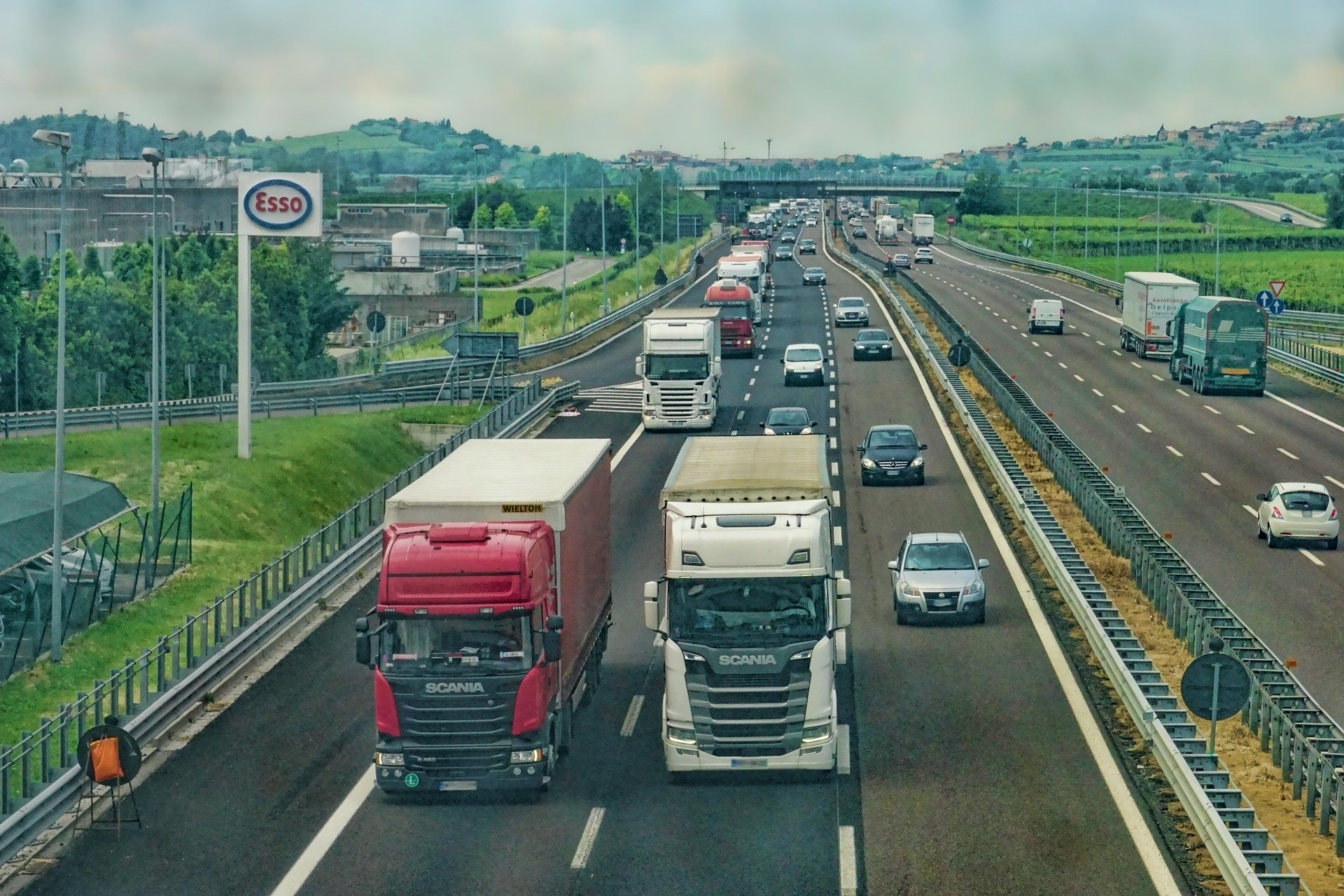
Growing road traffic in Europe results in detrimental effects on the environment and public health in spite of the gradual emissions reduction due to increasingly stringent emission standards. 
Challenge

Some technologies lead to particles of smaller and smaller size that influence the health of citizens living close to traffic, before aging in the atmosphere and contributing to background pollution. Moreover, the effects of some specific emissions (e.g. particles from tyres or natural gas engines) are either not sufficiently understood or remain undetected by current air quality or certification procedures. Finally noise (again in particular from tyres), remains an issue for larger road vehicles, since it would remain so even in the case they were progressively electrified.

Scope

Proposals can focus on one or both of the following subtopics, but must be ready to work in cooperation and share results with other selected or running proposals particularly as far as data and material for experimentation (particle samples for health testing, for instance) are concerned:

 Transport nanoparticles

  • Assessing and understanding the biological processes leading to negative effects on human beings and animals (including sex and gender differences, when relevant) in particular impacts of nanoparticles below 100 nm.
  • Assessing if and what variability of these effects exists with size, chemical composition and morphology, linking as far as possible the impacts with specific emission sources and leading to an understanding and quantification of the risks posed by different types and sources of particles.
  • Evaluating the possible future impact of new policies in this area on public health and well-being of citizens and acceptance of the negative economic impacts that could derive from them.

Reduction of noise and particles emissions from tyres

  • Assessment and characterisation (respectively for at least one representative car and truck tyre size), of the amounts of tyre particles emitted in different driving conditions (acceleration, braking, different constant speeds, corner driving) both in laboratory and on real roads with on-boards system, by implementing sensors and analysing nanoparticles characteristics.
  • Evaluation of traffic noise effect on the cardiovascular system, assessing which type of noise (impulsive or background).
  • Develop innovative tyres of heavy-duty freight transport optimised for low noise, rolling resistance, wear and therefore particles emissions.

The Commission considers that proposals requesting a contribution from the EU of between EUR 3 to 4 million would allow this specific challenge to be addressed appropriately.

Expected Impact

The project resulting from these areas shall deliver the following impacts:

  • Enhanced understanding of the health threats posed by particles and noise.
  • Guidance for developing and prioritising mitigation measures in future legislation on air quality and emissions, taking into account social aspects.
  • European and possibly global standards in critical industrial areas like engines and wear components (brakes, clutches and tyres).
  • At least 6dB(A) truck tyre noise reduction in areas which will not benefit from zero emissions vehicles low powertrain noise, i.e. along motorways and urban/periurban thoroughfares at speeds between 50 and 90 kph, where truck tire noise is very relevant.

Deadline

09 January 2020 at 17:00 Brussels time

More information

Call

Horizon2020

Publicaciones relacionadas:

Call for the Salvador de Madariaga Journalistic Prize Manos manchadas de pintura sobre fondo amarilloi-Portunus: Mobility programm for artists Heinrich Böll Foundation grants scholarships Traineeship at the European Maritime Safety Agency (EMSA) Young Audiences Music Awards (YAMA)

EU Calls and Awards call,  enviroment

“This is a space for debate. All comments, for or against publication, that are respectful and do not contain expressions that are discriminatory, defamatory or contrary to current legislation will be published”.

Reader Interactions

Leave a Reply Cancel reply

Your email address will not be published. Required fields are marked *

This site uses Akismet to reduce spam. Learn how your comment data is processed.

Primary Sidebar

Footer

  • CDE Almería
  • Biblioteca Nicolás Salmerón – Universidad de Almería
  • Planta: 1ª, Despacho: 1.05.0B.
  • Ctra. Sacramento s/n. Almería (Spain)
  • Teléfono: (+34) 950 015266

HOME
NEWS
DOCUMENTATION
EUROPE ON THE NET
ABOUT US

  • LEGAL NOTICE
  • PRIVACY POLICY
  • COOKIE POLICY
  • ACCESSIBILITY
  • SITEMAP

Copyright © 2026 CDE Almería · Creative Commons LicenseThis work is licensed under a Creative Commons Attribution-NonCommercial 4.0 International License.

<p>El Centro de Documentación Europea de la Universidad de Almería utiliza cookies propias y de terceros para facilitar al usuario la navegación en su página Web y el acceso a los distintos contenidos alojados en la misma. Asimismo, se utilizan cookies analíticas de terceros para medir la interacción de los usuarios con el sitio Web. Pinche el siguiente enlace si desea información sobre el uso de cookies y como deshabilitarlas. </p>

Politica de privacidad

El Centro de Documentación Europea de la Universidad de Almería utiliza cookies propias y de terceros para facilitar al usuario la navegación en su página Web y el acceso a los distintos contenidos alojados en la misma. Asimismo, se utilizan cookies analíticas de terceros para medir la interacción de los usuarios con el sitio Web. Pinche el siguiente enlace si desea información sobre el uso de cookies y como deshabilitarlas. <a href="/politica-de-cookies" rel="noopener" target="_blank">Más información</a>

Cookies estrictamente necesarias

Las cookies estrictamente necesarias tiene que activarse siempre para que podamos guardar tus preferencias de ajustes de cookies.

Básicamente la web no funcionara bien si no las activas.

Estas cookies son:

  • Comprobación de inicio de sesión.
  • Cookies de seguridad.
  • Aceptación/rechazo previo de cookies.
Cookies de terceros

Esta web utiliza Google Analytics, Google Tag Manager y Yandex Metrika para recopilar información anónima tal como el número de visitantes del sitio, o las páginas más populares.

Dejar estas cookies activas nos permite mejorar nuestra web.

Política de cookies

Pinche el siguiente enlace si desea información sobre el uso de cookies y como deshabilitarlas. Más información