• Skip to primary navigation
  • Skip to main content
  • Skip to primary sidebar
  • Skip to footer
  • Bluesky
  • Facebook
  • Instagram
  • Twitter
  • YouTube
CDE Almería – Centro de Documentación Europea – Universidad de Almería

CDE Almería - Centro de Documentación Europea - Universidad de Almería

Centro de Documentación Europea de la Universidad de Almería

  • HOME
  • WHAT´S ON
    • EU NEWS
    • Activities
    • EU Calls and Awards
    • Radio Program «Europe with You»
  • DOCUMENTATION
    • EU Media Collection
      • Web Space
      • MEDIATHEQUE REPOSITORY
  • Europe on the net
    • Institutions
    • EU Representation in Spain
    • European information network of Andalusia
  • ABOUT US
    • Presentation
    • Services
    • People
    • Contact
  • Spanish
  • English

Gender equality in EU Institutions

Inicio » EU News » Social Affairs » Equality » Gender equality in EU Institutions

14 de May de 2021

Parliament leadership adopts roadmap to achieve gender equality in political processes and its administration.
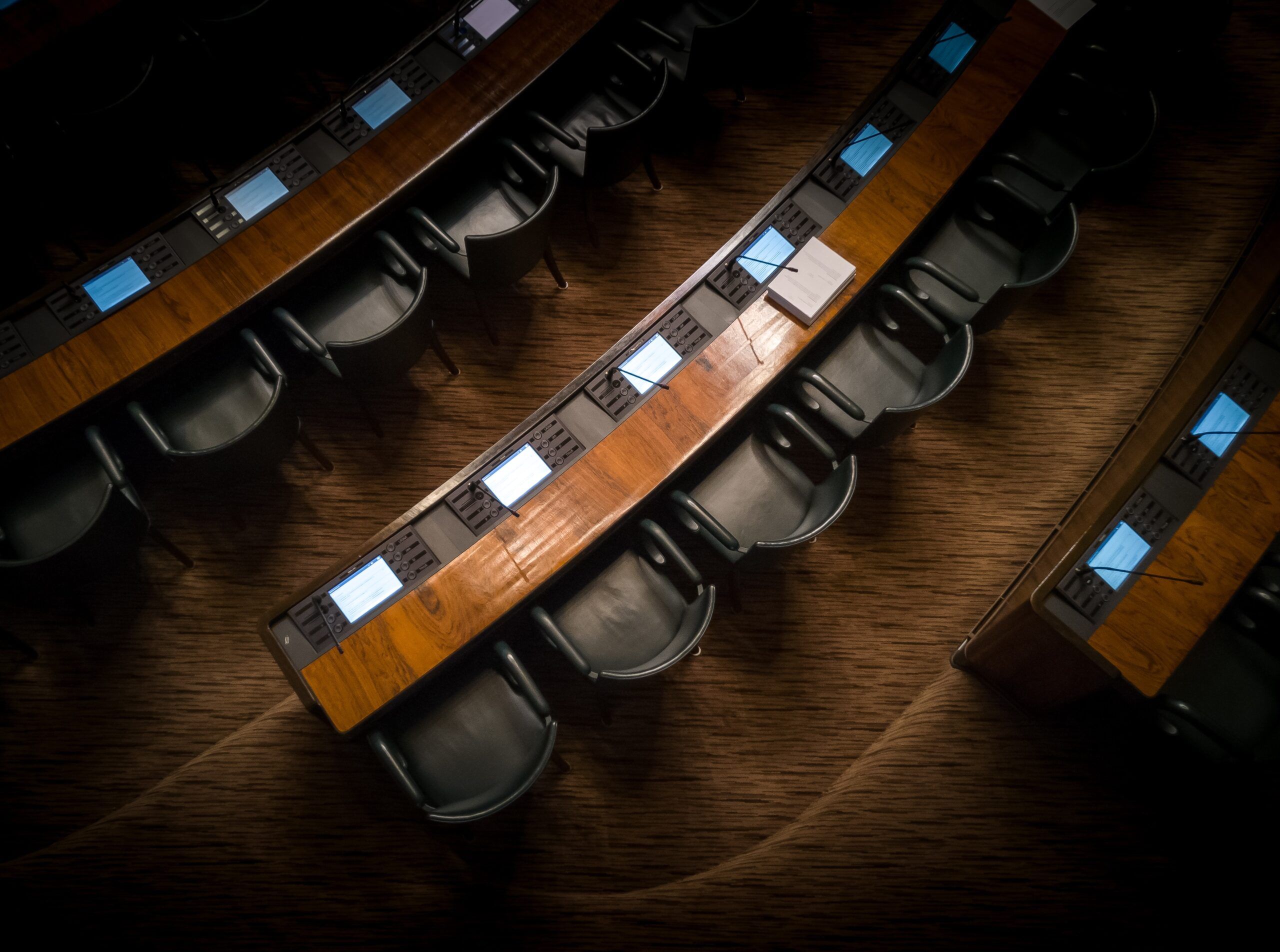
50% women in middle and senior manager positions and 40% women in top manager positions in the administration. These are the targets the European Parliament’s Bureau, comprising the President, Vice-Presidents and Quaestors, set in January 2020. To reach these targets by 2024 the Bureau approved a two-year roadmap of ambitious milestones in political processes and in the Parliament’s administration. Currently, 39% and 50% of middle and senior manager positions respectively, are occupied by women, and that number is 23% for top managers.

Chair of Parliament’s High-level group on Gender Equality and Diversity, Vice-President Dimitrios Papadimoulis said: “I am very pleased that we have been able to adopt unanimously a roadmap, which for the first time includes not only the administrative but also the political side of the house. This presents not only another opportunity for us to become a leading institution on gender matters, but is also crucial to ensuring that Parliament is truly representative and accessible to the people.”

On the political side, Parliament committed itself to strengthening the gender impact analysis of all legislation and to improving gender balance in the leadership of committees and delegations and in the selection of external experts on panels or as authors of studies. The Bureau also re-emphasises Parliament’s zero tolerance policy on harassment.

Regarding the administration, to reach the ambitious targets for gender balance in management positions, selection boards will among other initiatives continue to propose to prioritise the underrepresented gender in situations where the respective merits of candidates are equal. A more gender-balanced approach to work-life balance measures that supports men and women in Parliament, and gender mainstreaming in training and development activities, should also contribute to improving gender equality in the workplace.

Parliament adopted these measures following the proposal by the High-Level Group on Gender Equality and Diversity, chaired by Vice-President Papadimoulis. The group promotes equality, non-discrimination and diversity in Parliament so that it more accurately reflects European society as a whole.

More information

European Parliament – Press Release

Publicaciones relacionadas:

hombre y mujerEU research shows COVID-19 poised to end progress on gender equality Women’s rights in the EU Council agrees its negotiating mandate on the Digital Green Certificate Parliament launches the Daphne Caruana Galizia journalism prize What’s new in the Erasmus+ programme?

Education and Culture,  Equality,  EU News EU,  European Parliament,  gender equality

“This is a space for debate. All comments, for or against publication, that are respectful and do not contain expressions that are discriminatory, defamatory or contrary to current legislation will be published”.

Reader Interactions

Leave a Reply Cancel reply

Your email address will not be published. Required fields are marked *

This site uses Akismet to reduce spam. Learn how your comment data is processed.

Primary Sidebar

Footer

  • CDE Almería
  • Biblioteca Nicolás Salmerón – Universidad de Almería
  • Planta: 1ª, Despacho: 1.05.0B.
  • Ctra. Sacramento s/n. Almería (Spain)
  • Teléfono: (+34) 950 015266

HOME
NEWS
DOCUMENTATION
EUROPE ON THE NET
ABOUT US

  • LEGAL NOTICE
  • PRIVACY POLICY
  • COOKIE POLICY
  • ACCESSIBILITY
  • SITEMAP

Copyright © 2026 CDE Almería · Creative Commons LicenseThis work is licensed under a Creative Commons Attribution-NonCommercial 4.0 International License.

<p>El Centro de Documentación Europea de la Universidad de Almería utiliza cookies propias y de terceros para facilitar al usuario la navegación en su página Web y el acceso a los distintos contenidos alojados en la misma. Asimismo, se utilizan cookies analíticas de terceros para medir la interacción de los usuarios con el sitio Web. Pinche el siguiente enlace si desea información sobre el uso de cookies y como deshabilitarlas. </p>

Politica de privacidad

El Centro de Documentación Europea de la Universidad de Almería utiliza cookies propias y de terceros para facilitar al usuario la navegación en su página Web y el acceso a los distintos contenidos alojados en la misma. Asimismo, se utilizan cookies analíticas de terceros para medir la interacción de los usuarios con el sitio Web. Pinche el siguiente enlace si desea información sobre el uso de cookies y como deshabilitarlas. <a href="/politica-de-cookies" rel="noopener" target="_blank">Más información</a>

Cookies estrictamente necesarias

Las cookies estrictamente necesarias tiene que activarse siempre para que podamos guardar tus preferencias de ajustes de cookies.

Básicamente la web no funcionara bien si no las activas.

Estas cookies son:

  • Comprobación de inicio de sesión.
  • Cookies de seguridad.
  • Aceptación/rechazo previo de cookies.
Cookies de terceros

Esta web utiliza Google Analytics, Google Tag Manager y Yandex Metrika para recopilar información anónima tal como el número de visitantes del sitio, o las páginas más populares.

Dejar estas cookies activas nos permite mejorar nuestra web.

Política de cookies

Pinche el siguiente enlace si desea información sobre el uso de cookies y como deshabilitarlas. Más información