• Skip to primary navigation
  • Skip to main content
  • Skip to primary sidebar
  • Skip to footer
  • Bluesky
  • Facebook
  • Instagram
  • Twitter
  • YouTube
CDE Almería – Centro de Documentación Europea – Universidad de Almería

CDE Almería - Centro de Documentación Europea - Universidad de Almería

Centro de Documentación Europea de la Universidad de Almería

  • HOME
  • WHAT´S ON
    • EU NEWS
    • Activities
    • EU Calls and Awards
    • Radio Program «Europe with You»
  • DOCUMENTATION
    • EU Media Collection
      • Web Space
      • MEDIATHEQUE REPOSITORY
  • Europe on the net
    • Institutions
    • EU Representation in Spain
    • European information network of Andalusia
  • ABOUT US
    • Presentation
    • Services
    • People
    • Contact
  • Spanish
  • English

Gender equality cannot wait another 60 years to be achieved

Inicio » EU News » Social Affairs » Equality » Gender equality cannot wait another 60 years to be achieved

8 de March de 2023

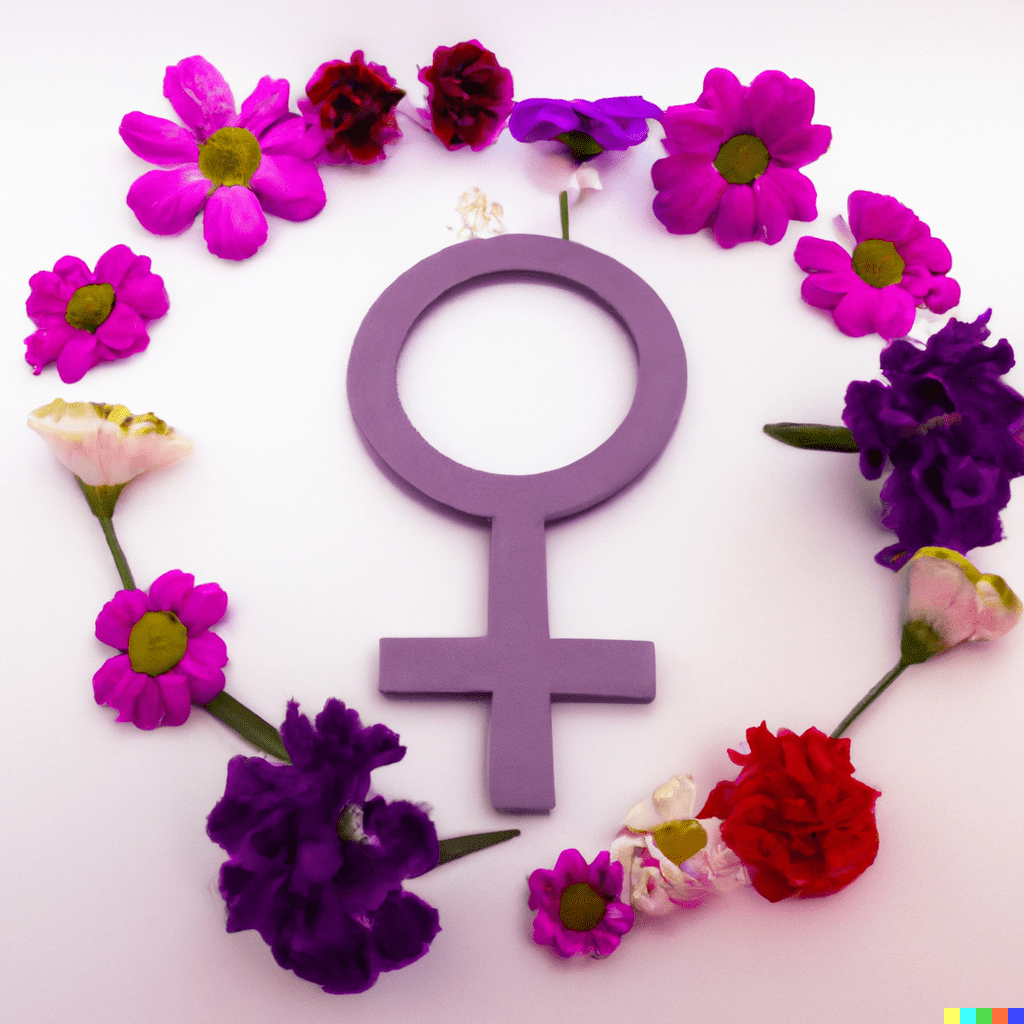
símbolo feminista rodeado de distintas flores

On International Women’s Day, Robert Biedro, Chair of the Women’s Rights and Gender Equality Committee, issued the following statement.

“The European Parliament has made some significant steps towards achieving gender equality over the last twelve months. Parliament approved landmark rules to boost gender equality on corporate boards in November, and a deal was reached on binding pay transparency measures in December, to name but a few.

But we still have so far to go.

If we continue at the current pace, the European Union is at least 60 years away from reaching complete gender equality. We cannot wait another 60 years.

Over the last few years, there has been a backlash against women’s rights both in Europe and around the world. This worrisome phenomenon puts many of the hard-earned gains that women have achieved in jeopardy, particularly in the area of sexual and reproductive health and rights.

While women’s rights are under attack on a global scale, the EU takes historic decisions

The decision of the US Supreme Court to renounce the federal constitutional right to abortion has transformed the lives of women and girls across the US, disproportionately affecting women in vulnerable situations. With the recent de facto abortion ban in Poland and limitations on sexual and reproductive health and rights in other EU countries, tackling the erosion of sexual and reproductive health rights is a matter of urgency. The backlash against women’s rights and gender equality is being felt also in other sectors including social and labour protection, education, political decision-making positions and work places. This is why we need to increase our efforts to ensure that the progress already achieved is carefully safeguarded and that women could never be deprived of their hard-won and acquired rights. All European women should be able to enjoy the same rights.

Gender-based violence remains one of the most prevalent human rights violations in the world, and sexual violence continues to be used as a weapon of war, with women and girls particularly affected by the war in Ukraine. As women in Afghanistan are subjected to gender apartheid, and in Iran women protesters continue to face severe repercussions, the Parliament will continue working to counteract these negative developments.

We need to stand strong against the backlash against gender equality and the blatantly discriminatory actions we see against women, the LGBTQI+ community and other vulnerable groups and, for this, political will is needed. Looking ahead, the committee will keep pushing for the EU to ratify the Istanbul Convention and will seek to negotiate the best possible agreement on a directive on combating violence against women.”


More information

European Parliament

Publicaciones relacionadas:

Femicide: Name it, count it, end it! The Parliament’s fight for gender equality in the EU símbolo que representa a un hombre y una mujer en blanco y negroHow data accelerates progress towards equality and narrows the gender gap Women’s rights in the EU Gender Equality Index 2021: Fragile gains, big losses

Equality,  EU News,  Social Affairs Equality,  feminism,  gender equality,  women

“This is a space for debate. All comments, for or against publication, that are respectful and do not contain expressions that are discriminatory, defamatory or contrary to current legislation will be published”.

Reader Interactions

Leave a Reply Cancel reply

Your email address will not be published. Required fields are marked *

This site uses Akismet to reduce spam. Learn how your comment data is processed.

Primary Sidebar

Footer

  • CDE Almería
  • Biblioteca Nicolás Salmerón – Universidad de Almería
  • Planta: 1ª, Despacho: 1.05.0B.
  • Ctra. Sacramento s/n. Almería (Spain)
  • Teléfono: (+34) 950 015266

HOME
NEWS
DOCUMENTATION
EUROPE ON THE NET
ABOUT US

  • LEGAL NOTICE
  • PRIVACY POLICY
  • COOKIE POLICY
  • ACCESSIBILITY
  • SITEMAP

Copyright © 2026 CDE Almería · Creative Commons LicenseThis work is licensed under a Creative Commons Attribution-NonCommercial 4.0 International License.

<p>El Centro de Documentación Europea de la Universidad de Almería utiliza cookies propias y de terceros para facilitar al usuario la navegación en su página Web y el acceso a los distintos contenidos alojados en la misma. Asimismo, se utilizan cookies analíticas de terceros para medir la interacción de los usuarios con el sitio Web. Pinche el siguiente enlace si desea información sobre el uso de cookies y como deshabilitarlas. </p>

Politica de privacidad

El Centro de Documentación Europea de la Universidad de Almería utiliza cookies propias y de terceros para facilitar al usuario la navegación en su página Web y el acceso a los distintos contenidos alojados en la misma. Asimismo, se utilizan cookies analíticas de terceros para medir la interacción de los usuarios con el sitio Web. Pinche el siguiente enlace si desea información sobre el uso de cookies y como deshabilitarlas. <a href="/politica-de-cookies" rel="noopener" target="_blank">Más información</a>

Cookies estrictamente necesarias

Las cookies estrictamente necesarias tiene que activarse siempre para que podamos guardar tus preferencias de ajustes de cookies.

Básicamente la web no funcionara bien si no las activas.

Estas cookies son:

  • Comprobación de inicio de sesión.
  • Cookies de seguridad.
  • Aceptación/rechazo previo de cookies.
Cookies de terceros

Esta web utiliza Google Analytics, Google Tag Manager y Yandex Metrika para recopilar información anónima tal como el número de visitantes del sitio, o las páginas más populares.

Dejar estas cookies activas nos permite mejorar nuestra web.

Política de cookies

Pinche el siguiente enlace si desea información sobre el uso de cookies y como deshabilitarlas. Más información