• Skip to primary navigation
  • Skip to main content
  • Skip to primary sidebar
  • Skip to footer
  • Bluesky
  • Facebook
  • Instagram
  • Twitter
  • YouTube
CDE Almería – Centro de Documentación Europea – Universidad de Almería

CDE Almería - Centro de Documentación Europea - Universidad de Almería

Centro de Documentación Europea de la Universidad de Almería

  • HOME
  • WHAT´S ON
    • EU NEWS
    • Activities
    • EU Calls and Awards
    • Radio Program «Europe with You»
  • DOCUMENTATION
    • EU Media Collection
      • Web Space
      • MEDIATHEQUE REPOSITORY
  • Europe on the net
    • Institutions
    • EU Representation in Spain
    • European information network of Andalusia
  • ABOUT US
    • Presentation
    • Services
    • People
    • Contact
  • Spanish
  • English

Europeans show record support for the euro

Inicio » EU News » Europeans show record support for the euro

3 de December de 2019

More than three in four citizens think that the single currency is good for the European Union, according to the latest Eurobarometer results. This is the highest support since surveys began in 2002.
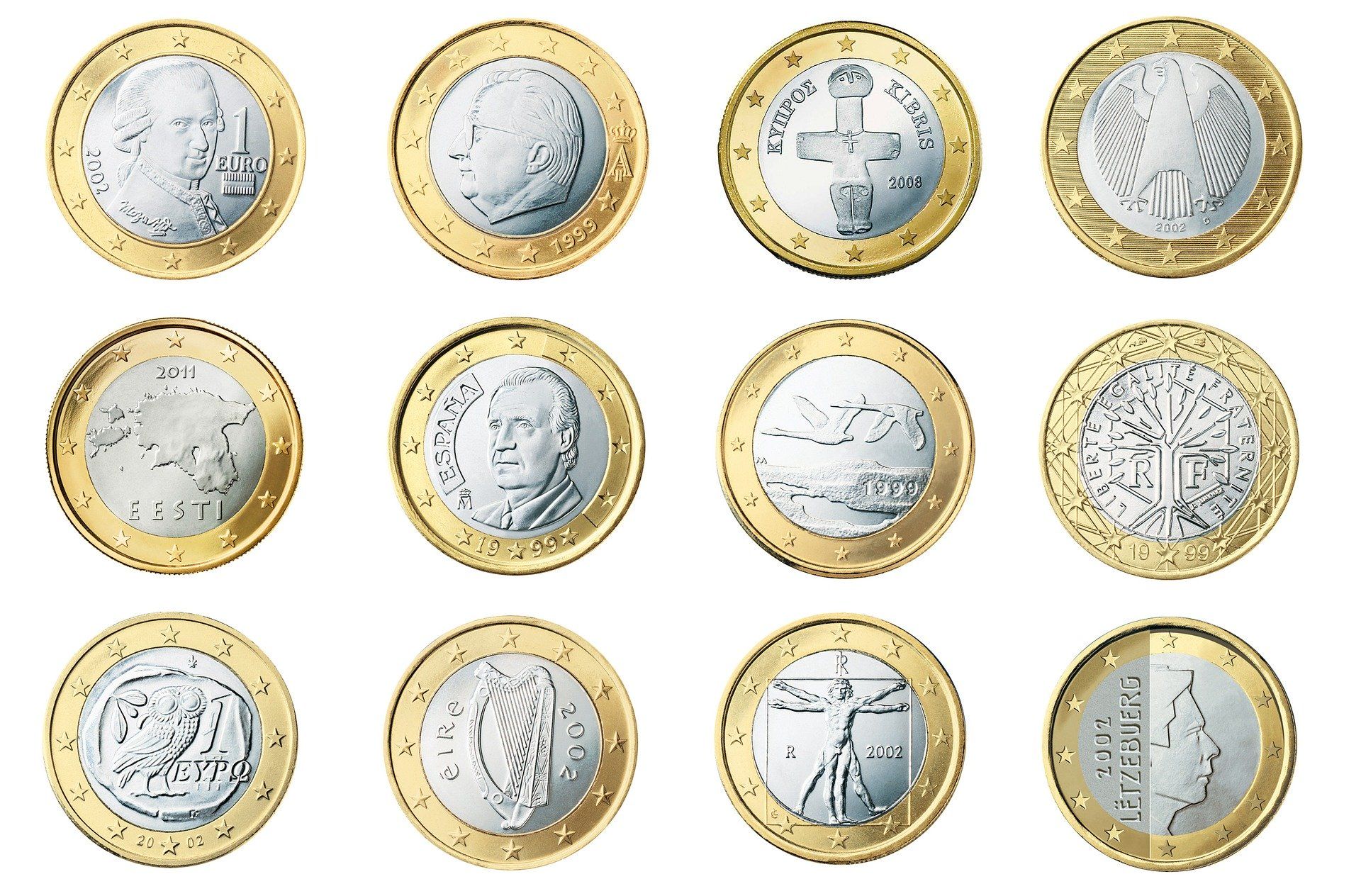
According to the results of the latest Eurobarometer survey on the euro area, 76% of respondents think the single currency is good for the EU. This is the highest support since the introduction of euro coins and banknotes in 2002 and a 2-percentage point increase since last year’s already record levels. Similarly, a majority of 65% of citizens across the euro area think that the euro is beneficial for their own country: this is also the highest number ever measured. The common currency is supported by a majority of citizens in all 19 euro area Member States.

Jean-Claude Juncker, President of the European Commission, said: “Almost 28 years after I added my name to the Maastricht Treaty, I remain convinced that this was the most important signature I ever made. The euro – now 20 years young – has  become a symbol of unity, sovereignty and stability. We have worked hard over the past five years to turn the page of Europe’s crisis, ensure that the benefits of jobs, growth and investment are reaching all Europeans and make Europe’s Economic and Monetary Union stronger than ever. The euro and I being the only survivors of the Maastricht Treaty, I am glad to see this record-high support for our single currency on my last days in office as President of the European Commission. The euro has been the fight of a lifetime and it is one of Europe’s best assets for the future. Let’s make sure that it continues to deliver prosperity and protection to our citizens.

The euro makes it easy

Still a young currency, the euro has just turned 20 this year. Nevertheless, Europeans clearly see the very practical benefits it has brought to their everyday lives. Four fifths of respondents agree that the euro has made it easier to do business across borders, compare prices and shop in other countries, including online. An absolute majority in the euro area also think that the euro has made traveling easier and less costly.

The euro is more than just the coins and notes in our pockets: it is a symbol of Europe’s unity and global strength. Today, it is already the currency of 340 million Europeans in 19 Member States. It has brought tangible benefits to all: stable prices, lower transaction costs, protected savings, more transparent and competitive markets, increased trade, easier travel and higher living standards. Some 60 countries around the world link their currencies to the euro in one way or another.

Strong support for reforms, coordinated economic policies, but also for abolishing one- and two-cent coins

Asked about their views on the coordination of economic policy, including budgetary policies, 69% of Europeans see the need for more coordination in the euro area, whilst only 7% would like to see less cooperation.There is also continued strong support at 80% for economic reforms to improve the performance of national economies. This is also reflected in national results, with clear majorities in all euro area countries.

A majority of 65% of respondents said they were in favour of doing away with inconvenient one- and two-euro cent coins through the mandatory rounding of the final price of purchases in shops and supermarkets to the nearest five cents. An absolute majority supports this idea in 16 out of the 19 euro area countries.

More Information

Press Release

Full report and survey results for each country

Learn more about the story and the benefits of the euro

Press release: Euro celebrates its 20th birthday

Publicaciones relacionadas:

Total agricultural output in the EU up by 0.6% in 2018 GDP up by 0.2% and employment up by 0.1% in the euro area Employment of recent graduates in EU regions Working parents with young children in the EU Default ThumbnailCommercial air transport in June 2021: preparing for take-off?

EU News Eurostat,  Eurozone

“This is a space for debate. All comments, for or against publication, that are respectful and do not contain expressions that are discriminatory, defamatory or contrary to current legislation will be published”.

Reader Interactions

Leave a Reply Cancel reply

Your email address will not be published. Required fields are marked *

This site uses Akismet to reduce spam. Learn how your comment data is processed.

Primary Sidebar

Footer

  • CDE Almería
  • Biblioteca Nicolás Salmerón – Universidad de Almería
  • Planta: 1ª, Despacho: 1.05.0B.
  • Ctra. Sacramento s/n. Almería (Spain)
  • Teléfono: (+34) 950 015266

HOME
NEWS
DOCUMENTATION
EUROPE ON THE NET
ABOUT US

  • LEGAL NOTICE
  • PRIVACY POLICY
  • COOKIE POLICY
  • ACCESSIBILITY
  • SITEMAP

Copyright © 2026 CDE Almería · Creative Commons LicenseThis work is licensed under a Creative Commons Attribution-NonCommercial 4.0 International License.

<p>El Centro de Documentación Europea de la Universidad de Almería utiliza cookies propias y de terceros para facilitar al usuario la navegación en su página Web y el acceso a los distintos contenidos alojados en la misma. Asimismo, se utilizan cookies analíticas de terceros para medir la interacción de los usuarios con el sitio Web. Pinche el siguiente enlace si desea información sobre el uso de cookies y como deshabilitarlas. </p>

Politica de privacidad

El Centro de Documentación Europea de la Universidad de Almería utiliza cookies propias y de terceros para facilitar al usuario la navegación en su página Web y el acceso a los distintos contenidos alojados en la misma. Asimismo, se utilizan cookies analíticas de terceros para medir la interacción de los usuarios con el sitio Web. Pinche el siguiente enlace si desea información sobre el uso de cookies y como deshabilitarlas. <a href="/politica-de-cookies" rel="noopener" target="_blank">Más información</a>

Cookies estrictamente necesarias

Las cookies estrictamente necesarias tiene que activarse siempre para que podamos guardar tus preferencias de ajustes de cookies.

Básicamente la web no funcionara bien si no las activas.

Estas cookies son:

  • Comprobación de inicio de sesión.
  • Cookies de seguridad.
  • Aceptación/rechazo previo de cookies.
Cookies de terceros

Esta web utiliza Google Analytics, Google Tag Manager y Yandex Metrika para recopilar información anónima tal como el número de visitantes del sitio, o las páginas más populares.

Dejar estas cookies activas nos permite mejorar nuestra web.

Política de cookies

Pinche el siguiente enlace si desea información sobre el uso de cookies y como deshabilitarlas. Más información