
In a resolution adopted on Thursday with 433 votes in favour, 56 against and 18 abstentions, Parliament expresses its complete outrage and grave concern about the continuous efforts by Russia to undermine European democracy through various forms of interference and disinformation.
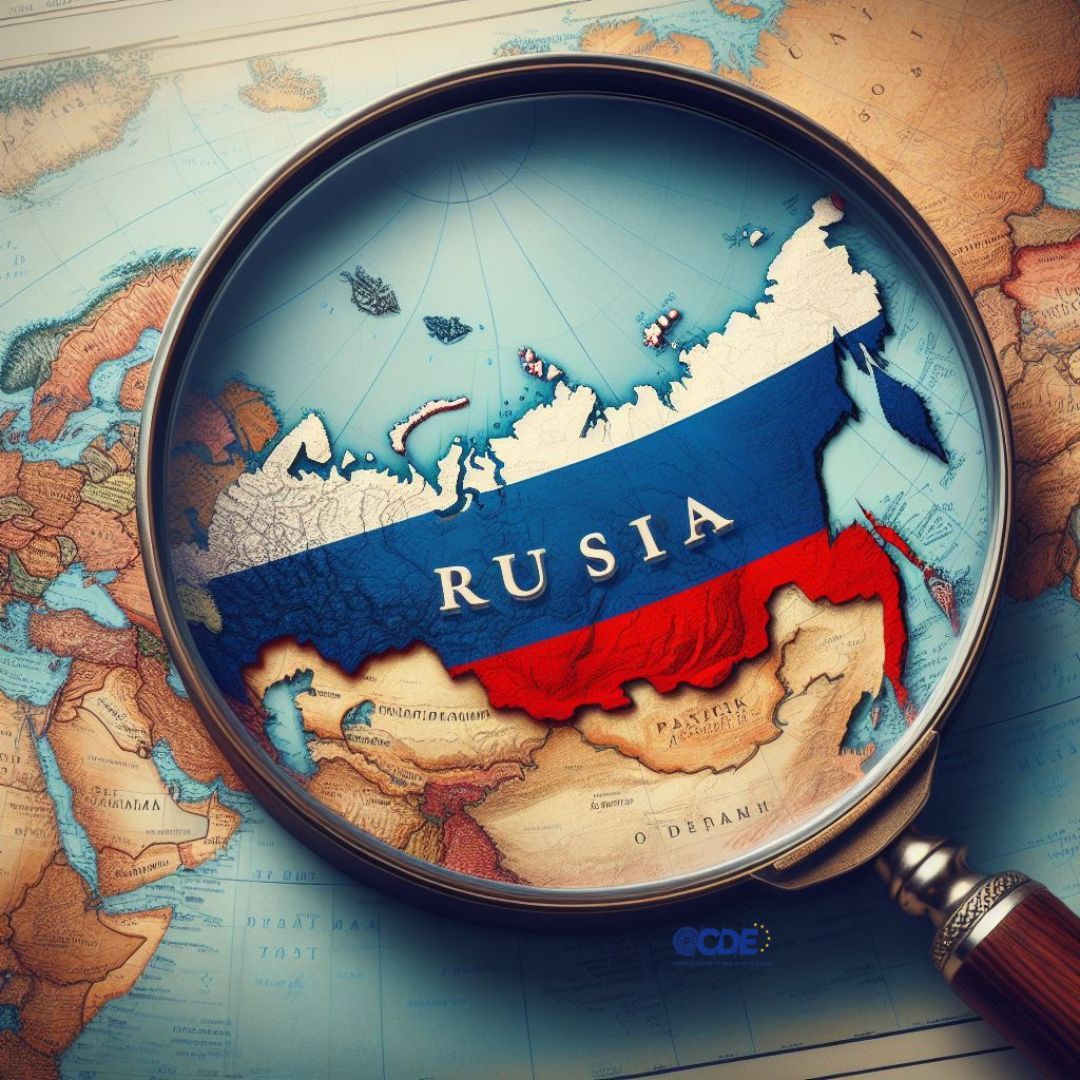
With the Kremlin attempting to sow divisions between European citizens, the text highlights how Moscow is recruiting some MEPs as “influence agents” and has created a dependent relationship with certain European political parties, including through funding, which then act as amplifiers of Russian propaganda and serve Russia’s interest.
Expressing deep concern over recent media reports that Latvian MEP Tatjana Ždanoka has allegedly acted as an informant for Russian security service FSB, the resolution stresses it is imperative for both the European Parliament and Latvian authorities to thoroughly investigate the matter, to determine any appropriate sanctions and criminal proceedings. At the same time, the resolution also points to other cases of MEPs knowingly serving Russia’s interests including through fake electoral observation missions to Russian occupied territories.
Russia targeting various EU countries
Referring to regular revelations across Europe for many years, MEPs are outraged that Russia, often in breach of EU member state legislation, has found ways to provide significant funding to political parties, politicians, officials and movements in several democratic countries to interfere and gain leverage in their democratic processes. This includes giving bank loans, purchase and commercial agreements and facilitating financial activities. The text also lists examples of recent Russian inference attempts in various countries, including the supplying of narratives to far-right political parties and actors in Germany and France with the aim of subverting public support for Ukraine, but also in Slovakia. MEPs are also concerned about the widespread disinformation and illegal content spread on the social media platform X, formerly known as Twitter.
Looking at Moscow’s support for separatist movements in Europe, MEPs are extremely concerned about alleged relations between Catalan secessionists, including the representatives of the regional Catalan government as well as former regional President and current MEP Carles Puigdemont on the one hand, and the Russian administration on the other. Parliament wants the cases revolving around contacts between the Catalan MEPs in question and Russian representatives to be referred to the European Parliament’s Advisory Committee on the Conduct of Members for further scrutiny.
The resolution also notes that Russian interference in Catalonia would be part of a broader Russian strategy to promote internal destabilisation and EU disunity. Parliament also calls on the relevant judicial authorities to undertake effective investigations into the connections of MEPs allegedly associated with the Kremlin.
Russia’s war on Ukraine: EU extends individual sanctions for another six months |
More information: European Parliament
Publicaciones relacionadas:
 Russia-EU tensions and Parliament’s views
 Speech by President von der Leyen at the EP on the social and economic consequences for the EU of the Russian war in Ukraine
 Hungary can no longer be considered a full democracy by the European Parliament
 European Parliament condemns Maduro regime’s interference in Venezuela’s 2024 elections
 New EU-UK agreement is welcome but thorough scrutiny remains, insist lead MEPs
Leave a Reply