• Skip to primary navigation
  • Skip to main content
  • Skip to primary sidebar
  • Skip to footer
  • Bluesky
  • Facebook
  • Instagram
  • Twitter
  • YouTube
CDE Almería – Centro de Documentación Europea – Universidad de Almería

CDE Almería - Centro de Documentación Europea - Universidad de Almería

Centro de Documentación Europea de la Universidad de Almería

  • HOME
  • WHAT´S ON
    • EU NEWS
    • Activities
    • EU Calls and Awards
    • Radio Program «Europe with You»
  • DOCUMENTATION
    • EU Media Collection
      • Web Space
      • MEDIATHEQUE REPOSITORY
  • Europe on the net
    • Institutions
    • EU Representation in Spain
    • European information network of Andalusia
  • ABOUT US
    • Presentation
    • Services
    • People
    • Contact
  • Spanish
  • English

MEPs vote to speed up the freezing and confiscation of criminal assets

Inicio » EU News » MEPs vote to speed up the freezing and confiscation of criminal assets

25 de May de 2023

The new legislation on seizing criminal assets would ensure fast and efficient freezing operations everywhere in the EU, and quicker compensation for victims.
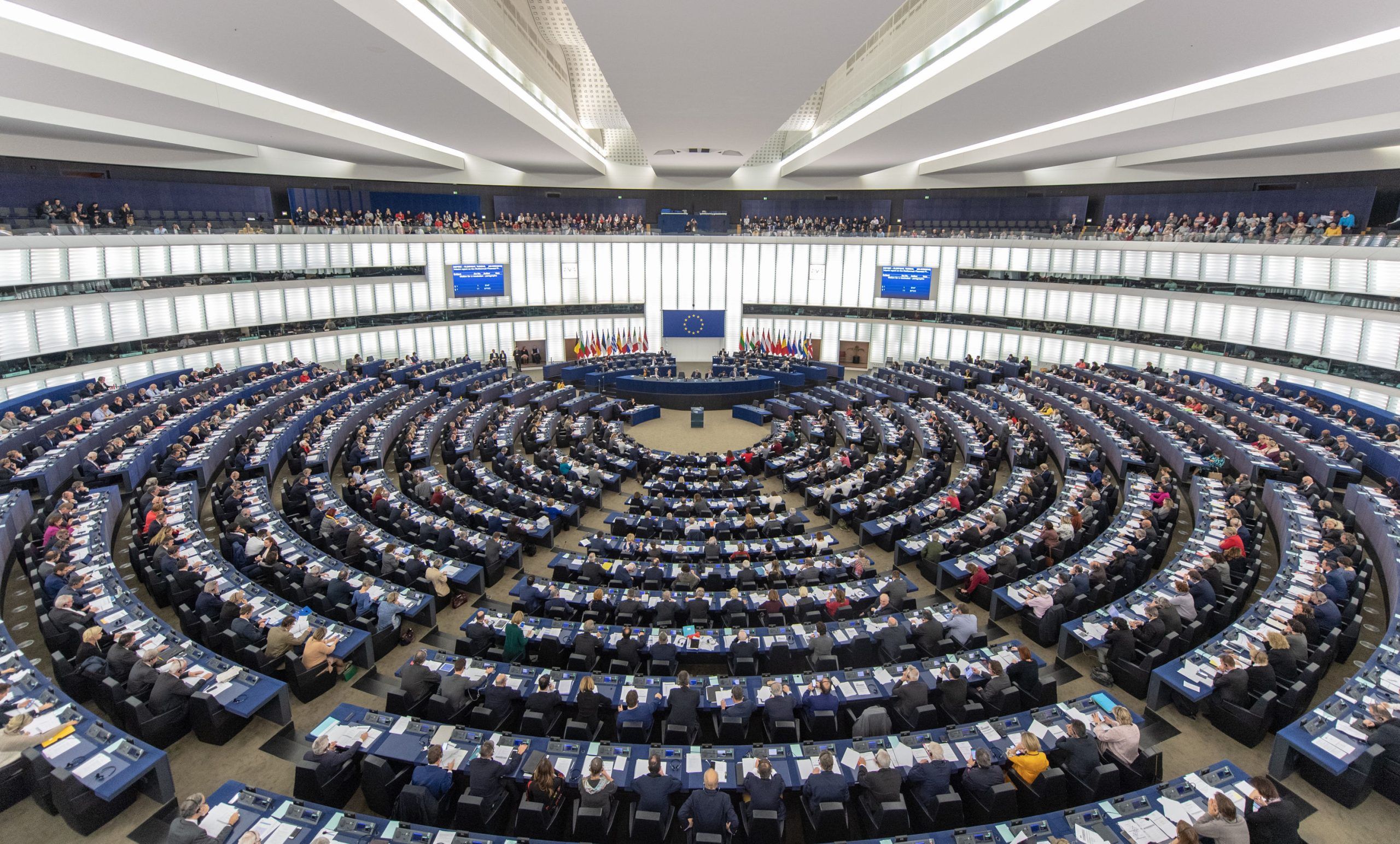
epa07164750 Members of Parliament vote on a new law for CO2 emission performance standards for new heavy-duty vehicles at the European Parliament in Strasbourg, France, 14 November 2018. EPA-EFE/PATRICK SEEGER

To speed up asset freezing and confiscations and close loopholes, MEPs on the Civil Liberties, Justice and Home Affairs Committee adopted on Tuesday a draft position on new rules with 50 votes in favour, 1 against, and 4 abstentions. Trilogue negotiations were authorised with 53 in favour, 0 against, and 2 abstentions.

Compared to existing legislation, the new directive would also cover trafficking in firearms, certain crimes committed as part of a criminal organisation and the violation of EU sanctions. In their position, MEPs propose to include also illegal trafficking of nuclear material, crimes falling within the jurisdiction of the International Criminal Court, the illegal seizure of aircraft and ships, and sabotage.

The agreed text would close loopholes by ensuring assets can be frozen quickly, with temporary urgency measures where necessary. The proposal would also crack down on those evading confiscation with the help of a third person, and allow confiscation in certain cases where conviction is not possible, for example in cases of illness or death of a suspect.
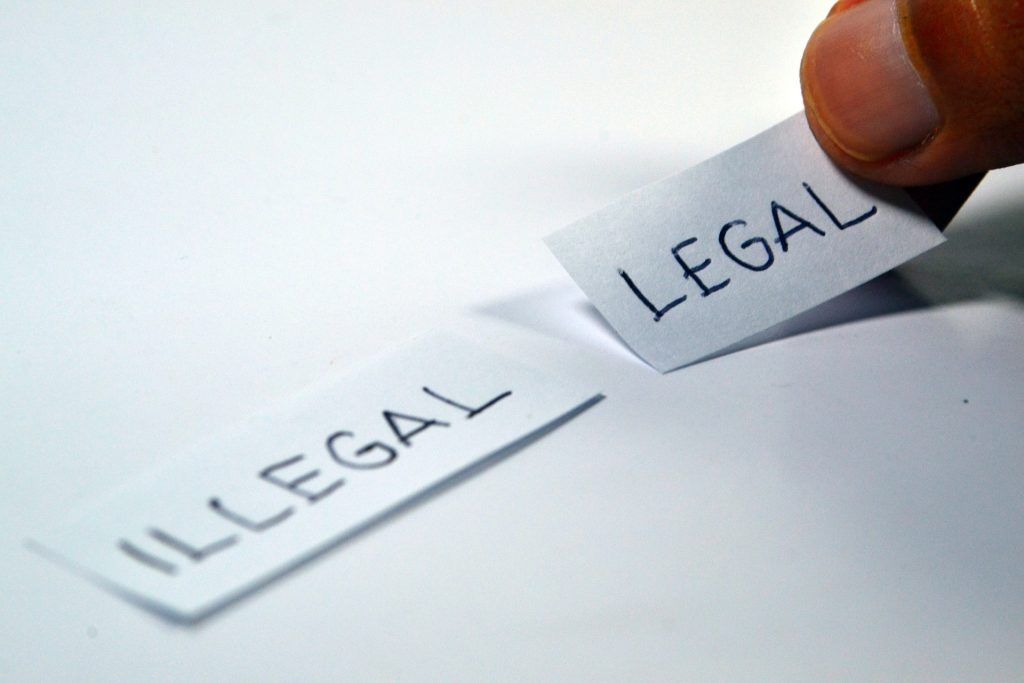
 

Commission wants to confiscate assets of oligarchs in breach of EU rules


To make cross-border investigations more efficient, the law would harmonise the powers of asset recovery offices set up by member states, ensuring that they get access to necessary information, such as beneficial ownership registries, securities and currency information, customs data and annual financial statements of companies. Finally, to prevent assets from degrading, member states would have to set up dedicated offices to manage confiscated assets.

MEPs also want to ensure that victims are compensated before confiscation, especially in cross-border cases, and allow confiscated assets to be used for social or public interest purposes.

Background

In 2010–2014, only 2.2% of the proceeds of crime were frozen in the EU, and only 1.1% of these proceeds were confiscated. In December 2021, the European Parliament called for the EU’s regime on asset recovery and confiscation to be harmonised, and in the EU Strategy to tackle Organised Crime (2021-2025), the Commission proposed strengthening these rules.

Recently, the EU’s comprehensive sanctions against Russia following its invasion of Ukraine have shown the need to implement sanctions more stringently and improve asset-tracing. Along with the present proposal, MEPs are also working on a law harmonising the definitions and penalties of sanctions violations.

More information: European Parliament

Publicaciones relacionadas:

Rapid action via Eurojust leads to arrest of 10 human traffickers Intensified judicial response to serious cross-border crimes More legal options for migrant workers coming to the EU criptomoneda delante de un ordenadorEuropean Parliament approves Europe’s first ever rules on crypto-assets seguridad-protección-ciberseguridadData Protection requirements must go hand in hand with the prevention of money laundering and terrorism financing



Crime,  Defence & Security,  EU News,  Law confiscation,  criminal assets,  EU,  European Parliament,  Legislation

“This is a space for debate. All comments, for or against publication, that are respectful and do not contain expressions that are discriminatory, defamatory or contrary to current legislation will be published”.

Reader Interactions

Leave a Reply Cancel reply

Your email address will not be published. Required fields are marked *

This site uses Akismet to reduce spam. Learn how your comment data is processed.

Primary Sidebar

Footer

  • CDE Almería
  • Biblioteca Nicolás Salmerón – Universidad de Almería
  • Planta: 1ª, Despacho: 1.05.0B.
  • Ctra. Sacramento s/n. Almería (Spain)
  • Teléfono: (+34) 950 015266

HOME
NEWS
DOCUMENTATION
EUROPE ON THE NET
ABOUT US

  • LEGAL NOTICE
  • PRIVACY POLICY
  • COOKIE POLICY
  • ACCESSIBILITY
  • SITEMAP

Copyright © 2026 CDE Almería · Creative Commons LicenseThis work is licensed under a Creative Commons Attribution-NonCommercial 4.0 International License.

<p>El Centro de Documentación Europea de la Universidad de Almería utiliza cookies propias y de terceros para facilitar al usuario la navegación en su página Web y el acceso a los distintos contenidos alojados en la misma. Asimismo, se utilizan cookies analíticas de terceros para medir la interacción de los usuarios con el sitio Web. Pinche el siguiente enlace si desea información sobre el uso de cookies y como deshabilitarlas. </p>

Politica de privacidad

El Centro de Documentación Europea de la Universidad de Almería utiliza cookies propias y de terceros para facilitar al usuario la navegación en su página Web y el acceso a los distintos contenidos alojados en la misma. Asimismo, se utilizan cookies analíticas de terceros para medir la interacción de los usuarios con el sitio Web. Pinche el siguiente enlace si desea información sobre el uso de cookies y como deshabilitarlas. <a href="/politica-de-cookies" rel="noopener" target="_blank">Más información</a>

Cookies estrictamente necesarias

Las cookies estrictamente necesarias tiene que activarse siempre para que podamos guardar tus preferencias de ajustes de cookies.

Básicamente la web no funcionara bien si no las activas.

Estas cookies son:

  • Comprobación de inicio de sesión.
  • Cookies de seguridad.
  • Aceptación/rechazo previo de cookies.
Cookies de terceros

Esta web utiliza Google Analytics, Google Tag Manager y Yandex Metrika para recopilar información anónima tal como el número de visitantes del sitio, o las páginas más populares.

Dejar estas cookies activas nos permite mejorar nuestra web.

Política de cookies

Pinche el siguiente enlace si desea información sobre el uso de cookies y como deshabilitarlas. Más información