
The Commission takes another major step to protect the environment by adopting measures that restrict microplastics intentionally added to products under the EU chemical legislation REACH. The new rules will prevent the release to the environment of about half a million tonnes of microplastics.
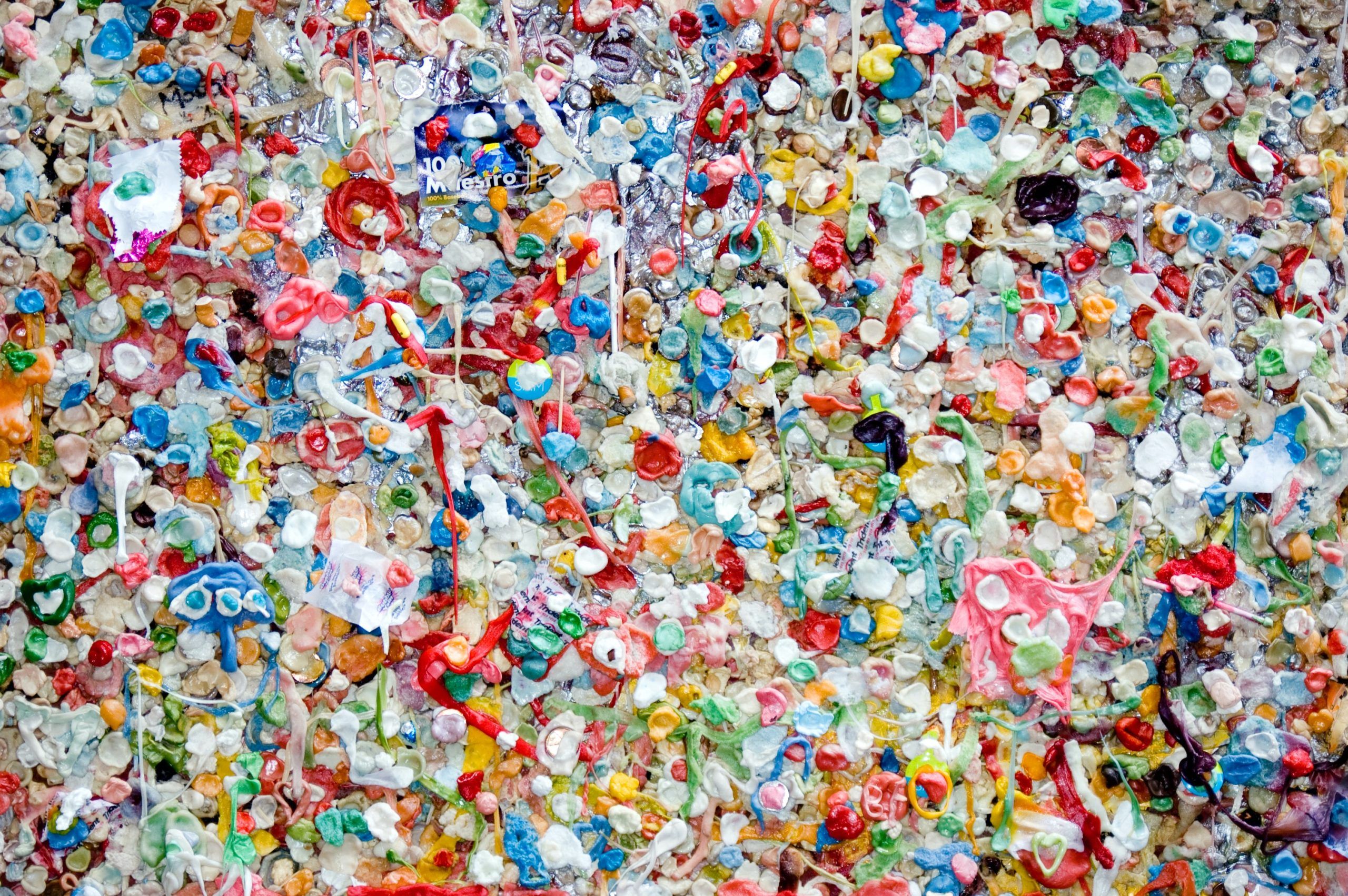
They will prohibit the sale of microplastics as such, and of products to which microplastics have been added on purpose and that release those microplastics when used. When duly justified, derogations and transition periods for the affected parties to adjust to the new rules apply.
The adopted restriction uses a broad definition of microplastics – it covers all synthetic polymer particles below five millimetres that are organic, insoluble and resist degradation. The purpose is to reduce emissions of intentional microplastics from as many products as possible. Some examples of common products in the scope of the restriction are:
- The granular infill material used on artificial sport surfaces – the largest source of intentional microplastics in the environment;
- Cosmetics, where microplastics is used for multiple purposes, such as exfoliation (microbeads) or obtaining a specific texture, fragrance or colour;
- Detergents, fabric softeners, glitter, fertilisers, plant protection products, toys, medicines and medical devices, just to name a few.
Products used at industrial sites or not releasing microplastics during use are derogated from the sale ban, but their manufacturers will have to provide instructions on how to use and dispose of the product to prevent microplastics emissions.
Next Steps
The first measures, for example the ban on loose glitter and microbeads, will start applying when the restriction enters into force in 20 days. In other cases, the sales ban will apply after a longer period to give affected stakeholders the time to develop and switch to alternatives.
Priorities of the Spanish Presidency of the Council of the European Union
|
Background
The Commission is committed to fighting microplastics pollution, as stated in the European Green Deal and the new Circular Economy Action Plan. In the Zero Pollution Action Plan, the Commission set the target to reduce microplastics pollution by 30% by 2030.
As part of these efforts, the Commission is working to reduce microplastics pollution from different sources: plastic waste and litter, accidental and unintentional releases (e.g. plastic pellet loss, tyres degradation or release from clothing), as well as intentional uses in products.
To tackle microplastics pollution while preventing the risk of fragmentation in the single market, the Commission requested the European Chemicals Agency (ECHA) to assess the risk posed by microplastics intentionally added to products and whether further regulatory action at EU level was needed. ECHA concluded that microplastics intentionally added to certain products are released into the environment in an uncontrolled manner, and recommended to restrict them.
Based on the scientific evidence provided by ECHA, the Commission drafted a restriction proposal under REACH that was positively voted by the EU countries and successfully passed the scrutiny of the European Parliament and the Council before being adopted.
Source: Press release – European Commission
Publicaciones relacionadas:
 Spain wins the Environment category of the LIFE Awards
 Simpler EU energy labels for lighting products
 Protecting birds from the dangers of power lines
 Digital Assembly 2022: A closer look into the digital future
 COP27: EU calls on all Parties to take concrete steps to limit global warming to 1.5°C and respect the Paris Agreement
Leave a Reply