
In a world facing a crisis due to lack of semiconductors, the European Chips Act aims to secure the EU’s supply by boosting domestic production.
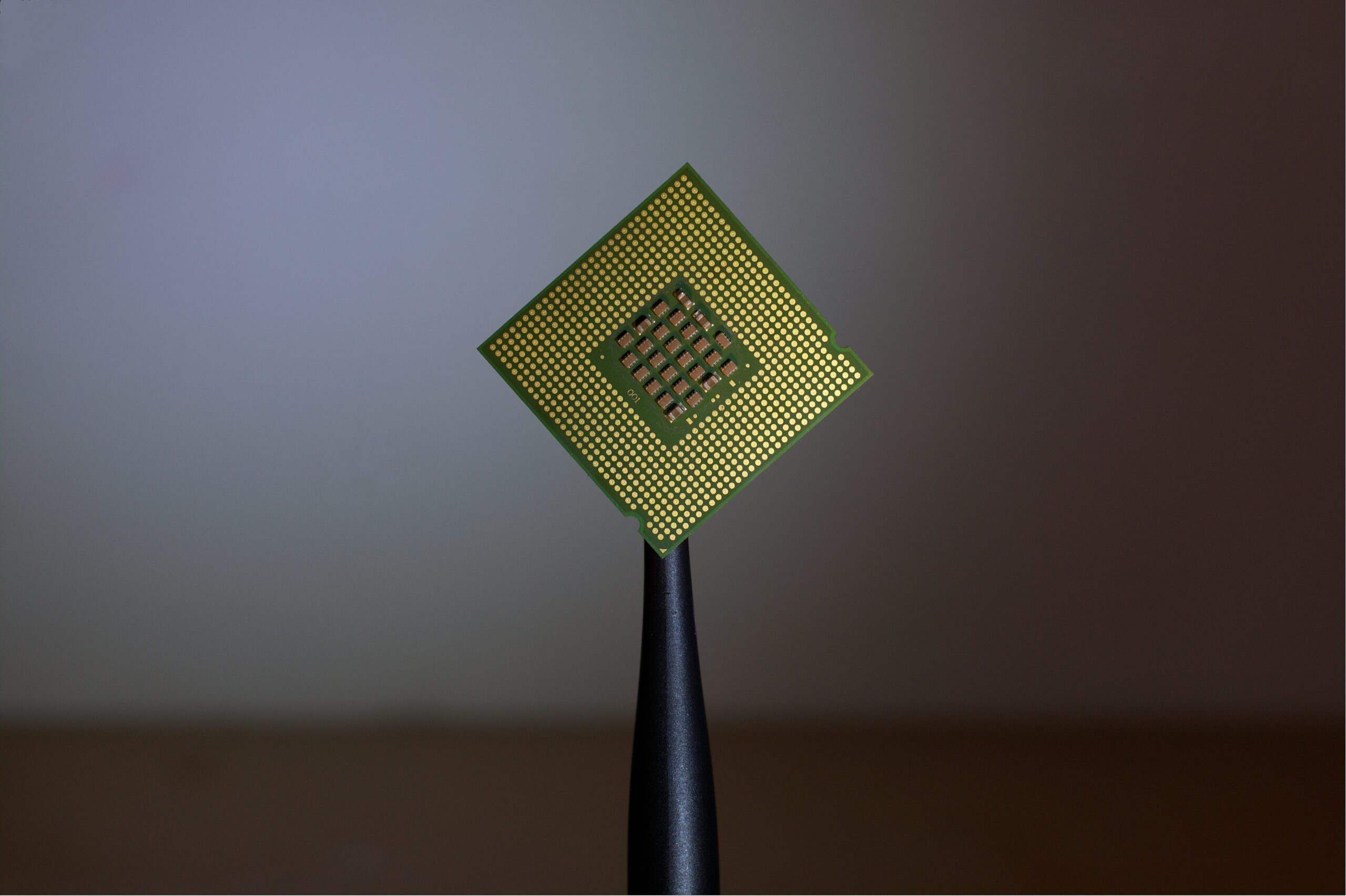
Since late 2020, there has been an unprecedented shortage of semiconductors around the globe. The semiconductor supply chain is very complex and vulnerable to events such as the Covid-19 outbreak. The industry is finding it difficult to recover from the shock caused by the pandemic. The EU is taking action to secure its supply.
The European Chips Act aims to increase the production of semiconductors in Europe. The European Parliament has approved its position on the proposed legislation and is ready for negotiations with EU governments.
In February 2023, MEPs also adopted the Chips Joint Undertaking – an investment tool whose objective is to support the growth of the sector and promote EU leadership in this field in the mid to long term.

The Chip Act to secure EU digital sovereignty |
Why are microchips so important?
Electronic microchips, also known as integrated circuits, are essential building blocks for digital products. They are used in everyday activities such as work, education and entertainment, for critical applications in cars, trains, aircraft, healthcare and automation, as well as in energy, data and communications. For example, a mobile phone contains about 160 different chips, hybrid electric cars up to 3,500.
Microchips are also crucial for technologies driving the digital transformation, such as artificial intelligence, low power computing, 5G/6G communications, as well as the Internet of Things and edge, cloud and high-performance computing platforms.
What are the causes of the semiconductor shortage?
The production of microchips relies on an extremely complex and interdependent supply chain in which countries all over the world participate. A large semiconductors firm may rely on as many as 16,000 highly specialised suppliers located in different countries.
This makes the global supply chain vulnerable. It is easily affected by global geopolitical challenges. This was made particularly obvious by the outbreak of the Covid-19 pandemic.
Recent developments like the war in Ukraine have triggered additional concerns for the chips sector. Other events such as fires and droughts affected large manufacturing plants and worsened the shortage crisis.
The current microchip shortage is likely to continue throughout 2023, as most solutions have long lead times. For example, it takes two to three years to build a new chip-making factory.
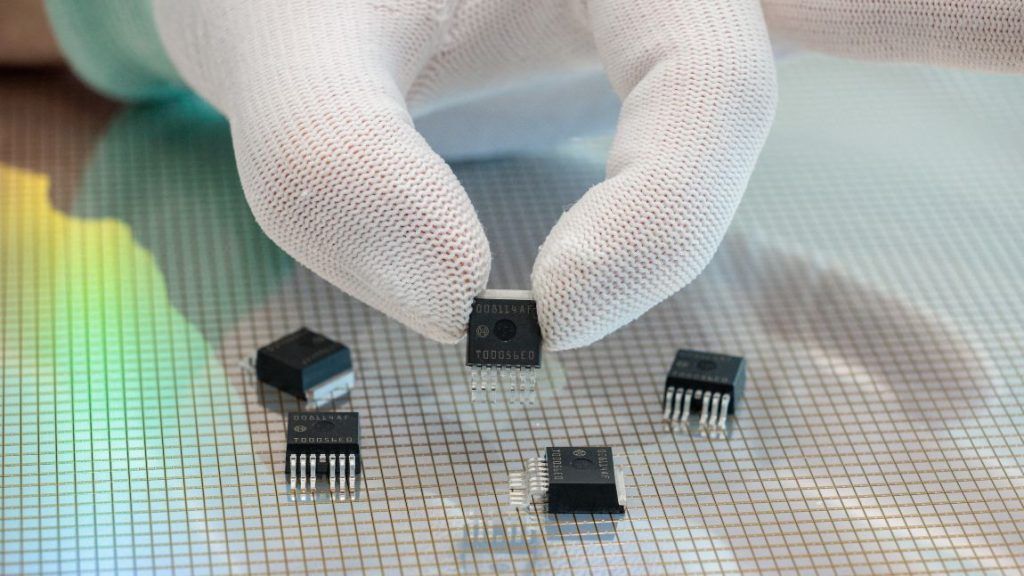
EU adopts Chips Act to address shortage of semiconductors |
Securing Europe’s supply of semiconductors
On average, nearly 80% of suppliers to European firms operating in the semiconductor industry are headquartered outside the EU. By adopting the Chips Act, the EU wishes to reinforce its capabilities in semiconductor manufacturing to ensure future competitiveness and maintain its technological leadership and security of supply.
Today the share of the EU in global production capacity is below 10%. The proposed legislation aims to increase this share to 20%.
The measures under the Chips Act will be primarily implemented through the Chips Joint Undertaking, an EU public-private partnership under the Horizon Europe programme. The EU wishes to pool about €11 billion from EU funding, EU countries, partner countries and the private sector to strengthen existing research, development and innovation.
More information: European Parliament
Publicaciones relacionadas:
 According to the European Court of Auditors, Europe is in danger of losing the battery race
 EU’s Trade Defence in 2022 report
 The EU is studying the investment needed to improve trade routes between Europe and Central Asia via the Caucasus.
 Europe’s raw materials supply: Commission announces actions to make supply more secure and sustainable
 Thierry Breton, Commissioner for the Internal Market, visits Madrid
Leave a Reply