
Last June, the President of the European Commission, Ursula von der Leyen, visited Latin America in order to strengthen ties with key partners. During her trip, she had the opportunity to visit Brazil, Argentina, Chile and Mexico. The Latin American tour also served to prepare for the summit between the EU and the Community of Latin American and Caribbean States (CELAC), which took place on 17 and 18 July and at which the bi-regional alliance between the two territories was strengthened and renewed.
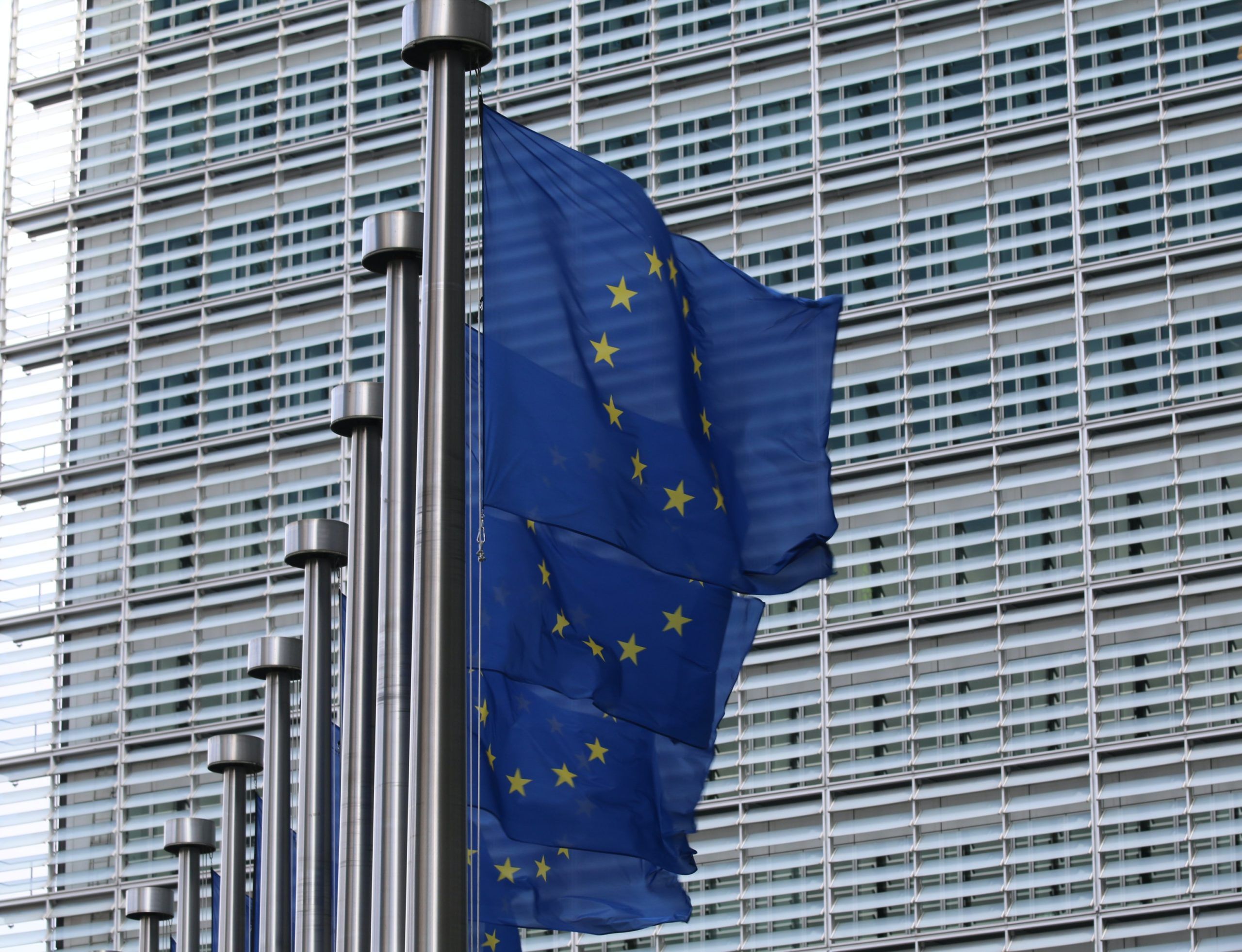
One of the European Commission’s current priorities is to strengthen the EU’s role as a global leader. To this end, it is working to prevent and resolve conflicts around the world, support resilient democracies, promote human rights and foster sustainable development, in its aim to combat climate change.
During the trip to Latin America, Von der Leyen announced different contributions through the Global Gateway strategy, such as a new partnership between the EU and Argentina on sustainable raw material value chains, or the €2 billion investment to support the production of green hydrogen in Brazil.
What is the Global Gateway strategy?
For the period 2021-2027, the European Commission and the High Representative of the European Union created the Global Gateway strategy with the aim of fostering fair and secure links between Europe and its partners in the digital, energy and transport sectors. This strategy also aims to strengthen health, education and research systems around the world and to reinforce relations with partner countries in the long term, while respecting EU values. Thus, Global Gateway partnerships must be egalitarian, respecting democratic values and high standards, green and clean, focused on security, with good governance and transparency, and capable of catalysing private sector investment.
To this end, European institutions and Member States will mobilise over this period €300 billion in investments for high quality and sustainable projects, taking into account the needs of partner countries and ensuring benefits for local communities. In addition, opportunities will be created for the private sector in Member States to invest and be competitive and to comply with environmental standards and sound financial management.
Gobal Gateway is aligned with the commitment made by G7 leaders in June 2021. It is also in line with Agenda 2023 and its Sustainable Development Goals, as well as the Paris Agreement.
The Euroclima Programme is one of the latest actions launched in the framework of the Global Gateway strategy. It is a programme co-financed by the EU and the German federal government for green action in the 22 countries of Latin America and the Caribbean. It will contribute to the implementation of the Global Investment Agenda in the region.
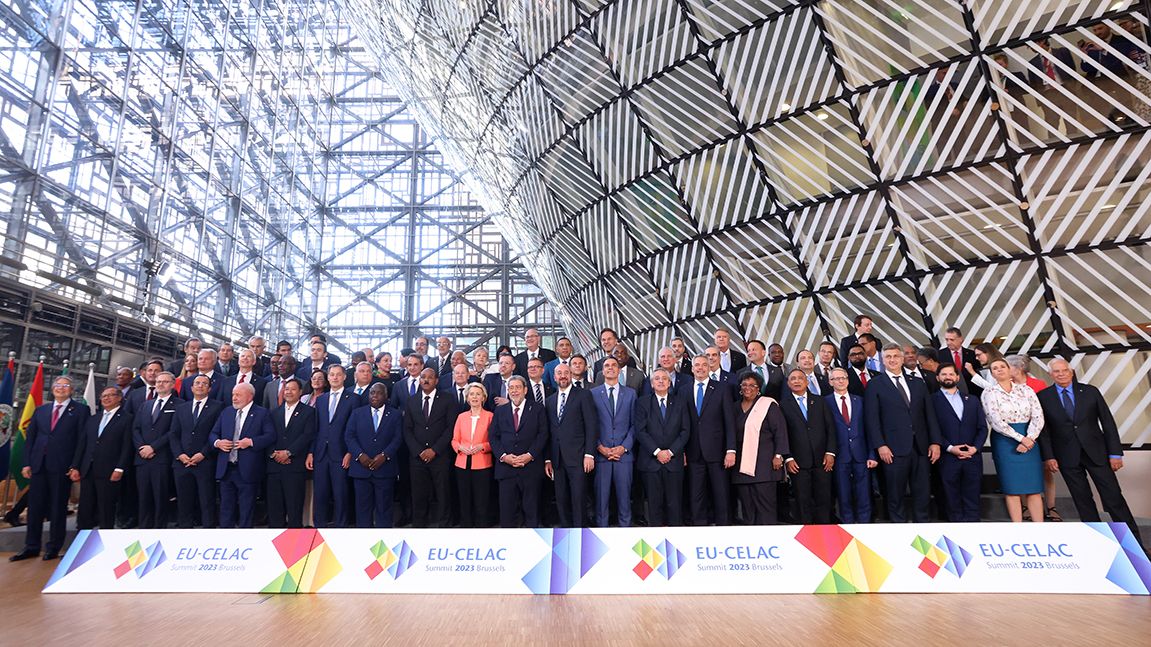
EU-CELAC: a strategic partnership
|
The European External Action Service
The European External Action Service (EEAS), the diplomatic service of the European Union that manages relations and strategic partnerships with non-EU countries, was founded in 2011. It works closely with the foreign and defence ministries of the member states, as well as with the European institutions. It also cooperates with the United Nations and other international organisations.
The EEAS is headed by the EU’s top foreign affairs official, the European Union’s High Representative for Foreign Affairs and Security Policy. This position is currently held by Josep Borrell. In addition to addressing the EU’s foreign policy priorities, its tasks include coordinating the work of the European Commission on EU external relations.
What are the tasks of the European External Action Service?
The EEAS works to ensure the security and defence of the European Union. To this end, it relies on the Common Security and Defence Policy, the main political framework within which the European Union and its Member States can address any kind of conflict or crisis and protect their citizens.
The protection of human rights and democracy is another priority of the EU’s external action. The current geopolitical context places the EU as a stable partner, defender of the international order. On gender equality and equal opportunities, in 2020, the HR/VP presented the EU Action Plan on Gender Equality and Women’s Empowerment in External Action 2021-2025, which aims to accelerate equality between men and women worldwide.
Europe continues to host the largest number of migrants in the world. Migration is a complex phenomenon for which the European Union has developed a new policy framework to ensure the safety of people arriving in the EU and to help Member States manage it in an effective and humane way.
Climate change is a threat to Europe and the rest of the world. This is why the EU promotes the philosophy of the European Green Deal in its multilateral and trade relations, promoting a just transition and the efficient use of resources.
To finance external policy actions, the EU created the Neighbourhood, Development and International Cooperation Instrument – Global Europe. This instrument is divided into three pillars: geographical cooperation with partner countries (European neighbourhood, sub-Saharan Africa, Asia and the Pacific, and the Americas and the Caribbean); thematic programmes, focusing on actions related to the protection of human rights and democracy, peace and stability and other global challenges in health, education or culture, among others; and finally, the rapid response component for crisis management, conflict prevention and peacebuilding.
The EU in the world
Following the Lisbon Treaty, the EEAS is also responsible for the functioning of the delegations and offices throughout the European Union in the world. Currently, the EU has 139 offices that play an important role in building networks and partnerships with the countries in which they are located. Afghanistan, Argentina, Australia, Cape Verde, Indonesia and Nepal are just some of the countries with EU delegations. Find out where they are located below.
The delegations are responsible for the policy areas of the EU’s relationship with the host country: economic, trade or human rights. They also analyse and report on political developments in the country and programme development cooperation through grants and projects.
Publicaciones relacionadas:
 EU-US Critical Minerals Agreement
 President von der Leyen and the College of Commissioners will participate in the inauguration of the Spanish Presidency of the Council of the EU in Madrid
 July infringements package: key decisions related to Spain and Environmental matters
 UNGA 77: EU Delegation to defend rules-based order
 Commission welcomes Joint Statement to provide affordable, accessible and transparent remittance services to Ukraine
Leave a Reply