• Skip to primary navigation
  • Skip to main content
  • Skip to primary sidebar
  • Skip to footer
  • Bluesky
  • Facebook
  • Instagram
  • Twitter
  • YouTube
CDE Almería – Centro de Documentación Europea – Universidad de Almería

CDE Almería - Centro de Documentación Europea - Universidad de Almería

Centro de Documentación Europea de la Universidad de Almería

  • HOME
  • WHAT´S ON
    • EU NEWS
    • Activities
    • EU Calls and Awards
    • Radio Program «Europe with You»
  • DOCUMENTATION
    • EU Media Collection
      • Web Space
      • MEDIATHEQUE REPOSITORY
  • Europe on the net
    • Institutions
    • EU Representation in Spain
    • European information network of Andalusia
  • ABOUT US
    • Presentation
    • Services
    • People
    • Contact
  • Spanish
  • English

Council sets higher tariffs on Russian and Belarusian grain products

Inicio » Noticias UE » Defensa y Seguridad » International Safety and Defence Politics » Council sets higher tariffs on Russian and Belarusian grain products

3 de June de 2024

The Council adopted a regulation that aims to levy prohibitive tariffs on grain products imported from Russia and Belarus. The regulation increases duties on cereals, oilseeds and derived products from Russia and Belarus to a point that will in practice halt imports of these products.
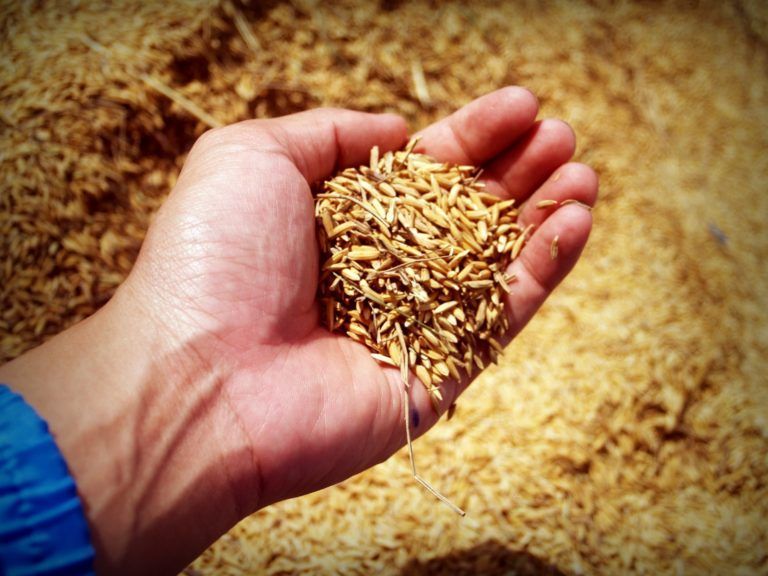
The regulation increases import tariffs for cereals, oilseeds and derived products as well as beet-pulp pellets and dried peas from the Russian Federation, as well as from the Republic of Belarus, for which, at present, importers pay no or low tariffs. In addition, those goods will be barred from access to the Union’s tariff rate quotas.

These measures concern products originating in or exported directly or indirectly from the Russian Federation or the Republic of Belarus to the EU. They will not affect transit through the EU from both countries to other third countries.

Next steps

The regulation will be published in the EU’s Official Journal. The measures will enter into force on 1 July 2024.

Background

The EU’s imports of grain products from Russia have significantly increased since Russia’s full-scale invasion of Ukraine on 24 February 2022.

While the Russian Federation remains a relatively small supplier of those products to the EU market, it is a leading world-wide producer and exporter of those products.

Russia: new sanctions in response to human rights violations

Given its current volumes of exports to the world, the Russian Federation could reorient significant volumes of supplies of those products to the EU, causing a sudden inflow from its large existing stocks, thereby disrupting the EU market.

Moreover, there is evidence that the Russian Federation is currently illegally appropriating large volumes of such products in territories of Ukraine, which it illegally occupies, and routing them to its export markets as allegedly Russian products.

These measures will therefore prevent the EU market from being destabilised, halt Russian exports of illegally appropriated grain produced in the territories of Ukraine and prevent Russia from using revenues from exports to the EU to fund its war of aggression against Ukraine.

The Commission submitted its proposal to the Council on 22 March 2024.

The regulation modifies Annex I to Council Regulation (EEC) No 2658/87 on the tariff and statistical nomenclature and on the Common Customs Tariff, in order to increase the customs duties applicable to imports of cereals, oilseeds and derived products that are currently classified under Chapters 7, 10, 12, 14, 15 and 23 of the Combined Nomenclature (CN), originating in or exported from the Russian Federation or the Republic of Belarus.

More information: Council of the EU

Publicaciones relacionadas:

EU reaction to cyber-attacks on Ukraine EU-Russia Crisis: ‘Spheres of influence’ have no place in 21st century Foreign Affairs Council Main Results, 24 January 2022 The UN Security Council discussed the Ukraine-Russia border crisis How the EU is supporting Ukraine

Defence & Security,  EU News,  International Safety and Defence Politics Belarusia,  grain products,  russia

“This is a space for debate. All comments, for or against publication, that are respectful and do not contain expressions that are discriminatory, defamatory or contrary to current legislation will be published”.

Reader Interactions

Leave a Reply Cancel reply

Your email address will not be published. Required fields are marked *

This site uses Akismet to reduce spam. Learn how your comment data is processed.

Primary Sidebar

Footer

  • CDE Almería
  • Biblioteca Nicolás Salmerón – Universidad de Almería
  • Planta: 1ª, Despacho: 1.05.0B.
  • Ctra. Sacramento s/n. Almería (Spain)
  • Teléfono: (+34) 950 015266

HOME
NEWS
DOCUMENTATION
EUROPE ON THE NET
ABOUT US

  • LEGAL NOTICE
  • PRIVACY POLICY
  • COOKIE POLICY
  • ACCESSIBILITY
  • SITEMAP

Copyright © 2026 CDE Almería · Creative Commons LicenseThis work is licensed under a Creative Commons Attribution-NonCommercial 4.0 International License.

<p>El Centro de Documentación Europea de la Universidad de Almería utiliza cookies propias y de terceros para facilitar al usuario la navegación en su página Web y el acceso a los distintos contenidos alojados en la misma. Asimismo, se utilizan cookies analíticas de terceros para medir la interacción de los usuarios con el sitio Web. Pinche el siguiente enlace si desea información sobre el uso de cookies y como deshabilitarlas. </p>

Politica de privacidad

El Centro de Documentación Europea de la Universidad de Almería utiliza cookies propias y de terceros para facilitar al usuario la navegación en su página Web y el acceso a los distintos contenidos alojados en la misma. Asimismo, se utilizan cookies analíticas de terceros para medir la interacción de los usuarios con el sitio Web. Pinche el siguiente enlace si desea información sobre el uso de cookies y como deshabilitarlas. <a href="/politica-de-cookies" rel="noopener" target="_blank">Más información</a>

Cookies estrictamente necesarias

Las cookies estrictamente necesarias tiene que activarse siempre para que podamos guardar tus preferencias de ajustes de cookies.

Básicamente la web no funcionara bien si no las activas.

Estas cookies son:

  • Comprobación de inicio de sesión.
  • Cookies de seguridad.
  • Aceptación/rechazo previo de cookies.
Cookies de terceros

Esta web utiliza Google Analytics, Google Tag Manager y Yandex Metrika para recopilar información anónima tal como el número de visitantes del sitio, o las páginas más populares.

Dejar estas cookies activas nos permite mejorar nuestra web.

Política de cookies

Pinche el siguiente enlace si desea información sobre el uso de cookies y como deshabilitarlas. Más información