
The Council and the European Parliament reached a provisional deal on the directive that promotes the repair of broken or defective goods, also known as the right-to-repair (or R2R) directive.
The legislation agreed today will make it easier for consumers to seek repair instead of replacement by making the access to repair services easier, faster, transparent, and more attractive.
The provisional agreement applies to all products with repair requirements on EU law, sets an obligation to repair on manufacturers of goods with repair requirements, establishes a European information form providing consumers with key data on the repair service, and unifies the national repair information platforms into a European online platform.
Priority: repair and reuse
Very often, when the vacuum cleaner, the dish washer, a coffee machine or any other product breaks or is defective, it is easier to dispose of it and buy a new one than have it repaired, especially when the legal guarantee has expired. The directive that co-legislators have agreed creates incentives for consumers to prolong the life of the product by having it repaired, which in turn will boost the repair sector, reduce waste and promote more sustainable business models.
To achieve this, the directive proposes a new set of tools to make repair more attractive to consumers. These include:
- the possibility for consumers to request manufacturers to repair products that are technically repairable under EU law (for instance, washing machines, vacuum cleaners or mobile phones)
- a European repair information form which repairers can offer to consumers, with clear information like repair conditions, time to finish the works, prices, replacement products, etc. (the directive includes a model of this form as annex 1)
- a European Online Platform for repair to facilitate the matchmaking between consumers and repairers
- an extension of 12 months of the liability period of the seller after the repair of a product
Main elements of the agreement
The provisional agreement reached today by the Council and the Parliament maintains the consumer right to choose between repair and replacement when a product is broken or defective. The deal also supports the general objectives of the directive, but introduces some improvements regarding the scope of application, the obligation to repair, the content of the information form, the online platform.
Scope
The provisional agreement keeps the scope of the directive to those products for which the EU legislation lays down reparability requirements (i.e. washing machines, dishwashers, refrigerators, or vacuum cleaners). In the future, the Commission can introduce reparability requirements for new products, through the eco-design regulation, which will then be added to the list of products covered by the R2R directive (Annex 2).
The agreement obliges manufacturers to provide information concerning spare parts in their web site, make them available to all parties in the repair sector at a reasonable price and forbid practices that prevent the use of second-hand or 3D printed spare parts by independent repairers.
Obligation to repair and freedom of choice
The text agreed today requires manufacturers to make the necessary repairs within a reasonable time and, unless the service is provided for free, for a reasonable price too, so that consumers are encouraged to opt for repair. However, the deal also maintains consumers’ right to choose between repair and replacement for defective products within the liability period of the seller included in the guarantee. If the consumer chooses the repair of the good, the seller’s liability period will be extended by 12 months from the moment when the product is brought into conformity. This period may be further prolonged by member states if they so wish.
European repair information form
To cut red tape for repairers (particularly the small ones), the provision of a European standardized form is optional. However, if repairers provide the form to consumer, the conditions set out in the form will be binding for them. The form must be provided free of charge, although the consumer may be asked to pay the cost of the diagnostic service. The key information included in the form will be valid for 30 calendar days, but the consumer and repairer may agree to extend this period.
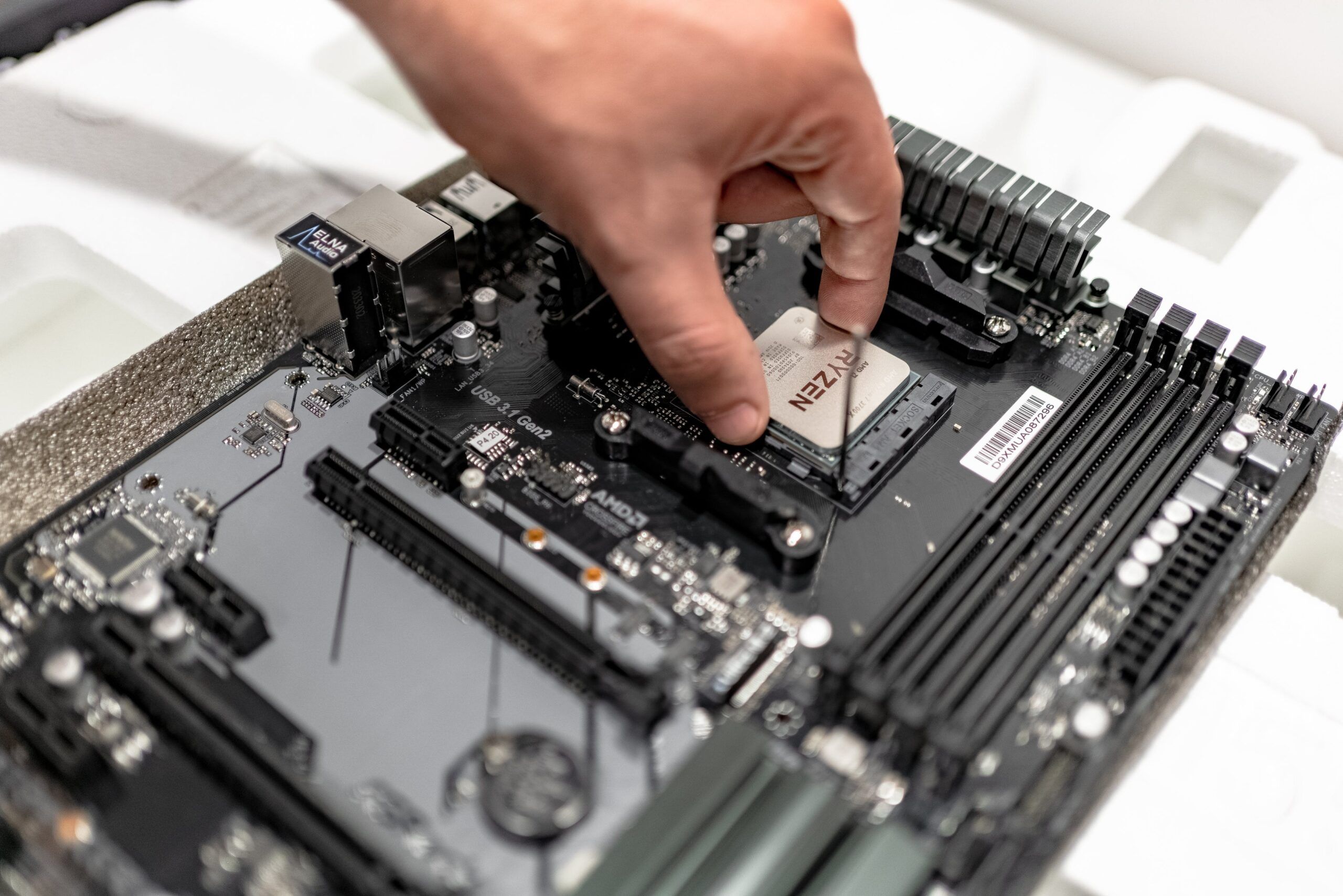
Repair rather than buy: New European legislation to promote repair of products and devices |
European online repair platform
The agreement reached today proposes the creation of a European online repair platform designed and operated at European level, instead of 27 national platforms. The aim of the platform is to make available for consumers the different repair services at EU level but also cross borders and in each member state. Therefore, the EU platform will have sections for each member state, with information coming also from national repair platforms, whether public or private. At the same time, national platforms will have the possibility to include information about community-led repair initiatives.
Next steps
The provisional agreement reached with the European Parliament now needs to be endorsed and formally adopted by both institutions.
More information: Council of the European Union
Publicaciones relacionadas:
 EU reaches political agreement on updated enforcement regulation
 2021 Rule of Law Report
 Right to safe and legal abortion must be safeguarded, MEPs demand
 The Council notes the need to protect children facing armed conflicts
 European Commission takes action against Spain and other Member States to ensure transposition of EU directives
Leave a Reply