
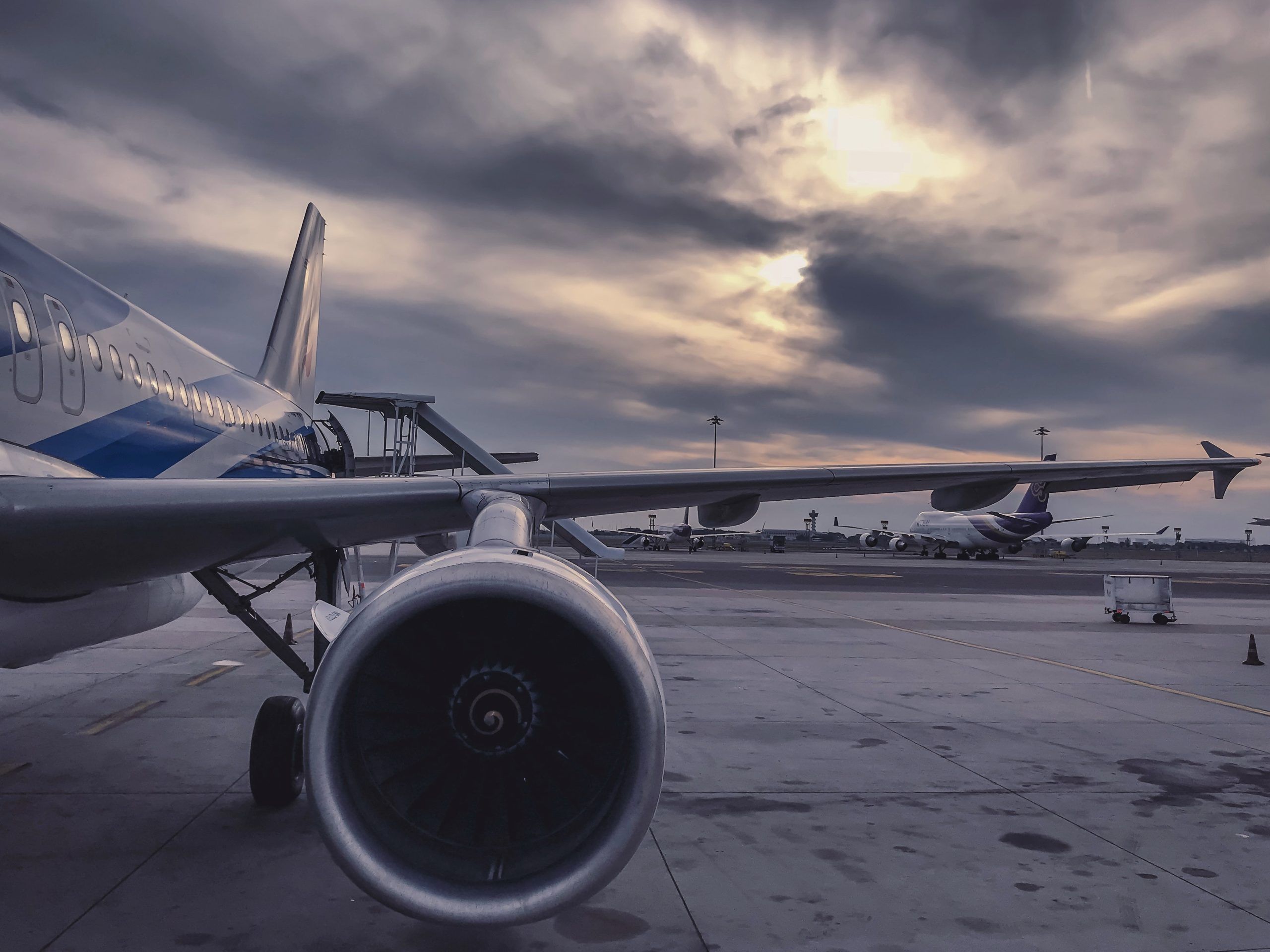
The Council and the European Parliament reached a provisional political agreement on proposals to decarbonise the aviation sector and create a level playing field for sustainable air transport (“ReFuelEU Aviation” initiative).
The aim of the proposal is to increase the demand and supply of sustainable aviation fuel while ensuring a level playing field in the air transport market across the EU. It is a far-reaching proposal to put air transport on track to meet the EU’s 2030 and 2050 climate targets, as sustainable aviation fuel is one of the most important tools for the decarbonisation of aviation in the short and medium term. The proposal must be able to overcome the situation that hinders the development of these fuels, characterised by low supply and prices still much higher than fossil fuels.
Main aspects of the Commission proposal retained
The text of the provisional agreement retains the core aspects of the Commission’s proposal, including the extent to which it contributes to meeting climate targets. Key elements of the agreement include:
- The obligation for aviation fuel suppliers to ensure that all fuel made available to aircraft operators at EU airports contains a minimum share of SAF from 2025 and, from 2030, a minimum share of synthetic fuels, with both shares increasing progressively until 2050
- The establishment of a transitional period allowing fuel suppliers to reach the SAF blending mandate as a weighted average of the quantities they have supplied across the Union, in order to facilitate the organisation of the sector during its creation phase, without affecting the overall level of emissions
- The obligation for aircraft operators to ensure that the yearly quantity of aviation fuel uplifted at a given EU airport is at least 90% of the yearly aviation fuel required, to avoid emissions related to extra weight caused by tankering practices
- Reporting obligations for fuel suppliers and aircraft operators
- Rules on the competent authorities, to be designated by the member states to enforce this regulation, and rules on fines

Enhancing autonomy and safety in future uncrewed aviation |
Main amendments to the Commission’s proposal
The text of the provisional agreement amends, however, some aspects of the Commission’s proposal, with a view to facilitating and accelerating the development of SAF, in particular:
- The extension of the scope regarding Union airports and aircraft operators
- The extension of the scope of eligible sustainable aviation fuels and synthetic aviation fuels. For biofuels, the scope is extended to other certified biofuels complying with the Renewable Energy Directive (RED) sustainability and emissions saving criteria, up to a maximum of 70%, with the exception of biofuels from food and feed crops and the addition of two fuels (hydrogen and synthetic low-carbon aviation fuels), which can be used to reach the minimum shares in the respective part of the regulation
- The introduction of the possibility for the competent authorities of the member states to grant an exemption from the tankering provisions for certain flights in the event of serious and recurrent operational difficulties or structural difficulties in the supply of fuel in accordance with identified criteria
- The promotion of hydrogen at the Union airports
- The creation of a Union labelling scheme about environmental performance for aircraft operators using SAF will help consumers make informed choices and will promote greener flights
- Data collection and the reporting obligations have been reinforced to monitor the effects of this regulation on the competitiveness of EU operators and platforms, and to improve knowledge of the non-CO2 effects of air transport emissions
- New considerations that the Commission is expected to include in its report in 2027, such as the impact of this regulation on connectivity, on carbon leakage and distortions of competition, and on the future use of hydrogen and electricity.
More information
Publicaciones relacionadas:
 European Parliament approves end of combustion cars by 2035
 Agreement between the European Parliament and Council to install more recharging and refuelling stations across Europe
 Single European Sky: lowering emissions and reducing delays
 EU transport ministers agree joint positions on Fit for 55 package
 Commission proposes more flexible exceptions regime and targeted relief to airlines
Leave a Reply