

-
The rising cost of living is the most pressing worry for 93 % of Europeans, followed by the threat of poverty and social exclusion (82 %)
-
Recent crises strengthened citizens’ support for the European Union: 72 % believe that their country has benefited from being a member of the EU and 62 % see EU membership as a “good thing”
-
Citizens expect the EU to continue working on solutions to mitigate the effects of the consecutive crises
The rising cost of living is the most pressing worry for 93 % of Europeans, finds the latest European Parliament Eurobarometer survey, released today in full.
Meanwhile, support for the EU remains stable at a high level and citizens expect the EU to continue working on solutions to mitigate the effects of the crises.
In every EU Member State, more than seven in ten respondents are worried about the rising cost of living, with peak results in Greece (100 %), Cyprus (99 %), Italy and Portugal (both 98 %). The rising prices, including for energy and food, are felt across all sociodemographic categories such as gender or age as well as all educational and socio-professional backgrounds. The second most mentioned worry with 82 % is the threat of poverty and social exclusion, followed by climate change and the spread of the war in Ukraine to other countries equal in third place with 81 %.
Citizens expect the EU to continue working on solutions to mitigate the compounding effects of the consecutive crises that have hit the continent. High support for the EU is based on the experience of past years, with the EU demonstrating a remarkable capacity to unite and to deploy effective measures. For now, citizens are not satisfied by the actions taken either at national or at EU level. Only a third of Europeans express satisfaction with measures taken by their national governments or the EU to tackle the rising cost of living.
Looking at the financial situation of citizens, the survey shows that the fallout from the polycrisis is being felt increasingly. Almost half of the EU population (46 %) say that their standard of living has already been reduced due to the consequences of the COVID-19 pandemic, the consequences of Russia’s war of aggression on Ukraine and the cost of living crisis. A further 39 % have not yet seen their standard of living reduced but expect this to be the case in the year to come, making for a rather grim outlook for 2023. Another telling indicator of growing economic constraints is the increase in the share of citizens facing bill-paying difficulties “most of the time” or “sometimes”, a nine point increase from 30 % to 39 % since Autumn 2021.
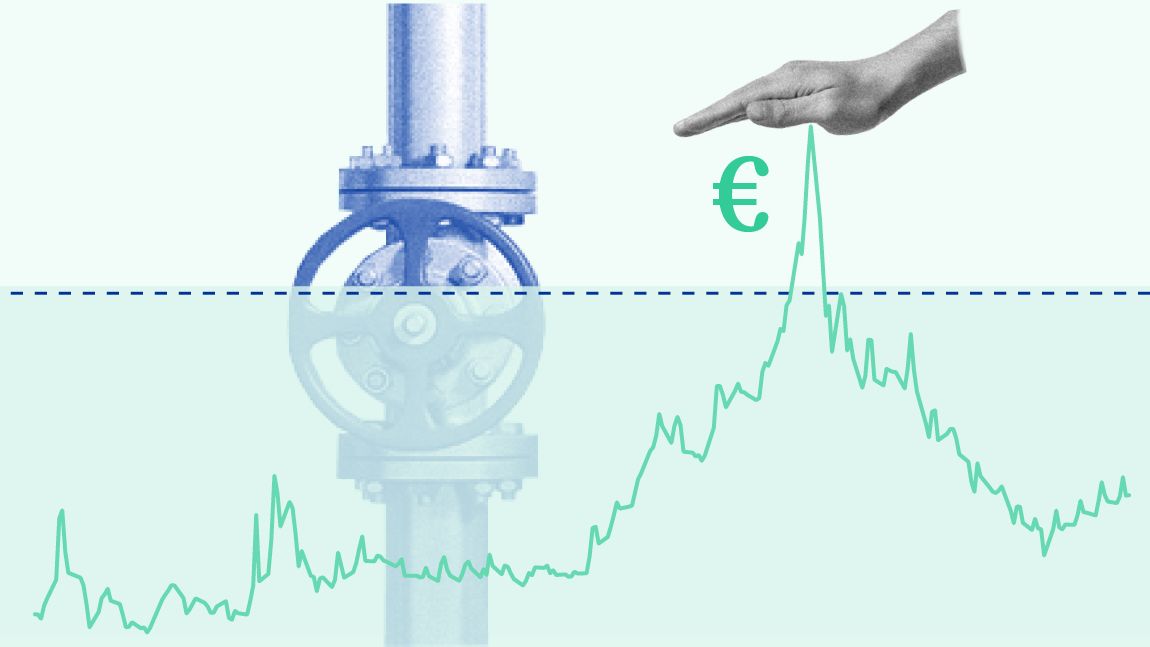
Council agrees on mechanism to limit excessive gas prices
|
“People are understandably worried about the rising cost of living, as more and more families are struggling to make ends meet. Now is the time for us to deliver; to bring our bills under control, push back inflation and to make our economies grow. We must protect the most vulnerable in our societies”, said European Parliament President Roberta Metsola.
The multiple geopolitical crises of the past years continue to present citizens and policymakers with profound challenges. With inflation at its highest level in decades, citizens want the European Parliament to focus on the fight against poverty and social exclusion (37 %). Public health remains relevant for many citizens (34 %) – as does continued action against climate change (31 %). Support to the economy and the creation of new jobs (31 %) is also high on the list.
At the same time, recent crises and particularly Russia’s war against Ukraine, are strengthening citizens’ support for the European Union: 62 % see EU membership as a “good thing” which represents one of the highest results on record since 2007. Two thirds of European citizens (66 %) consider their country’s EU membership important, and 72 % believe that their country has benefited from being a member of the EU. In this context, “peace” makes a comeback in citizens’ minds as one of the Union’s core and founding reasons: 36 % of Europeans say the European Union’s contribution to maintaining peace and strengthening security are the principal benefits of EU membership, a six-point increase since Autumn 2021. In addition, Europeans also think that the EU facilitates better cooperation among Member States (35 %) and contributes to economic growth (30 %).
Full results can be found here.
For further information: European Parliament
Publicaciones relacionadas:
 Latest Eurobarometer survey: Economic situation is EU citizens’ top concern
 Circular economy: definition, importance and benefits
 Will the Spanish economy be boosted after Covid-19?
 EU Covid EU digital certificate approved by European Parliament
 MEPs want more effective measures to respond to rising prices
Leave a Reply