
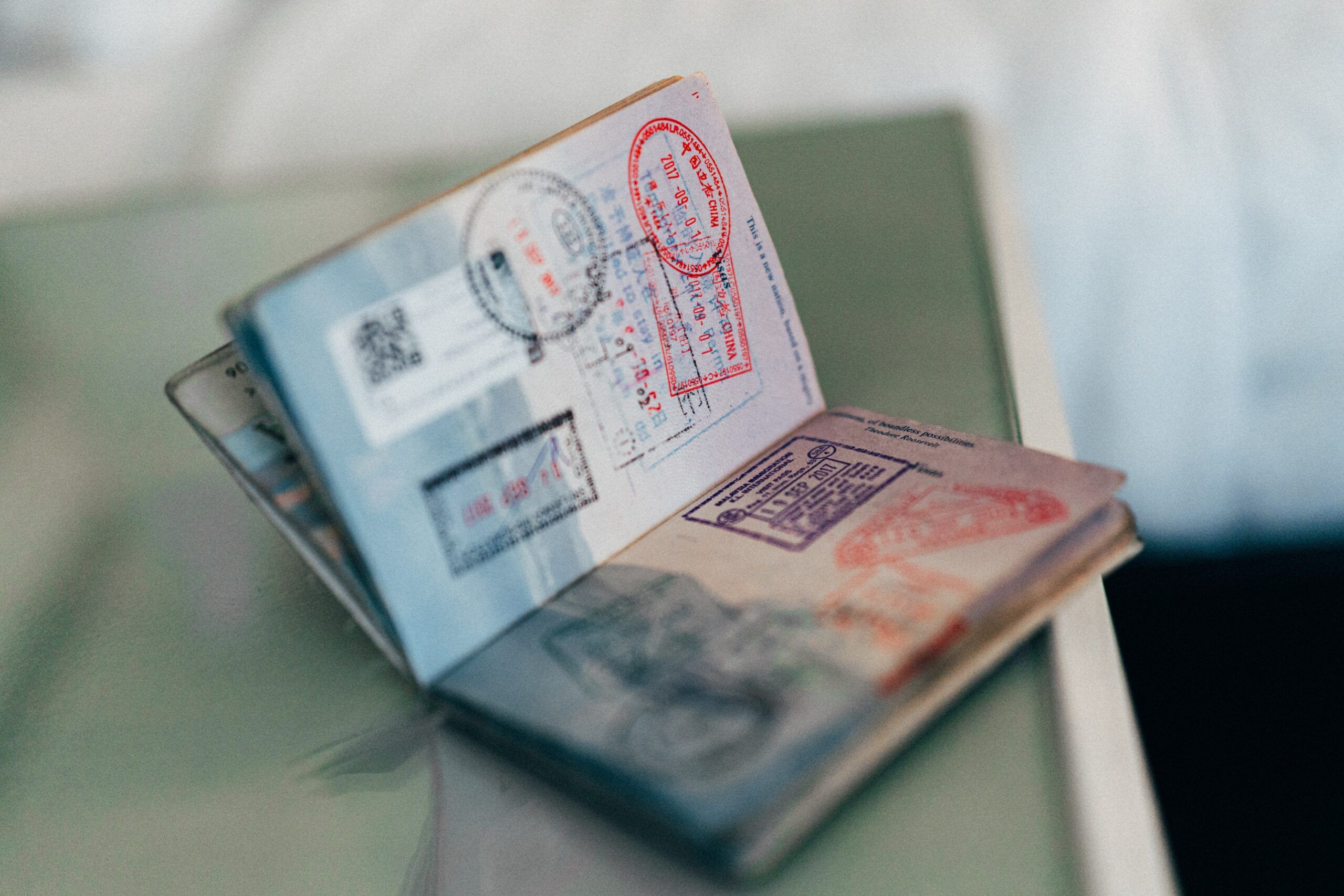
Parliament and Council negotiators reached a provisional agreement for an EU Covid digital certificate to facilitate free movement during the pandemic.
The certificate will be available in either digital or paper format. It will attest that a person has been vaccinated against coronavirus or has a recent negative test result or has recovered from the infection. In practice, these will be three distinct certificates. A common EU framework will allow member states to issue certificates that will then be accepted in other EU countries.
The EU digital Covid Certificate regulation should be in place for 12 months. The certificate will not be a precondition to exercise the right to free movement and will not be considered a travel document.
Budgetary support for affordable and accessible testing
To make “affordable and accessible testing” more widely available, the European Commission committed to mobilise “at least €100 million” under the Emergency Support Instrument for the purchase of tests for SARS-CoV-2 infection for the purpose of issuing EU digital Covid test certificates. This should particularly benefit persons who cross borders daily or frequently to go to work or school, visit close relatives, seek medical care, or to take care of loved ones.
Negotiators agreed that, if necessary, additional funding above €100 million should be mobilised, subject to approval by the budgetary authorities.
Additional travel restrictions only if duly justified
Member states should not impose additional travel restrictions in response to the COVID-19 pandemic, such as quarantine, self-isolation or testing, “unless they are necessary and proportionate to safeguard public health”. Available scientific evidence, “including epidemiological data published by the European Centre for Disease Prevention and Control (ECDC)” should be taken into account. Such measures should be notified to other member states and the Commission at the latest 48 hours in advance.
Vaccines
Member states must accept vaccination certificates issued in other member states for persons inoculated with a vaccine authorised for use in the EU by the European Medicines Agency (EMA) (currently Pfizer-BioNTech, Moderna, AstraZeneca and Janssen). It will be up to the member states to decide whether they also accept vaccination certificates that have been authorised by other Member States following national authorisation procedures or for vaccines listed by the World Health Organisation (WHO) for emergency use.
Data protection safeguards
The certificates will be verified to prevent fraud and forgery, as will be the authenticity of the electronic seals included in the document. Personal data obtained from the certificates cannot be stored in destination member states and there will be no central database established at EU level. The list of entities that will process and receive data will be public so that citizens can exercise their data protection rights under the General Data Protection Regulation.
More information
European Parliament – Press Release
Publicaciones relacionadas:
 EU countries should ensure universal access to sexual and reproductive health
 How often do you drink sugar-sweetened soft drinks?
 European Commission authorises first safe and effective vaccine against COVID-19
 HERA Incubator to anticipate the threat of COVID-19 variants
 EMA receives application for conditional marketing authorisation of COVID-19 Vaccine Janssen
Leave a Reply