
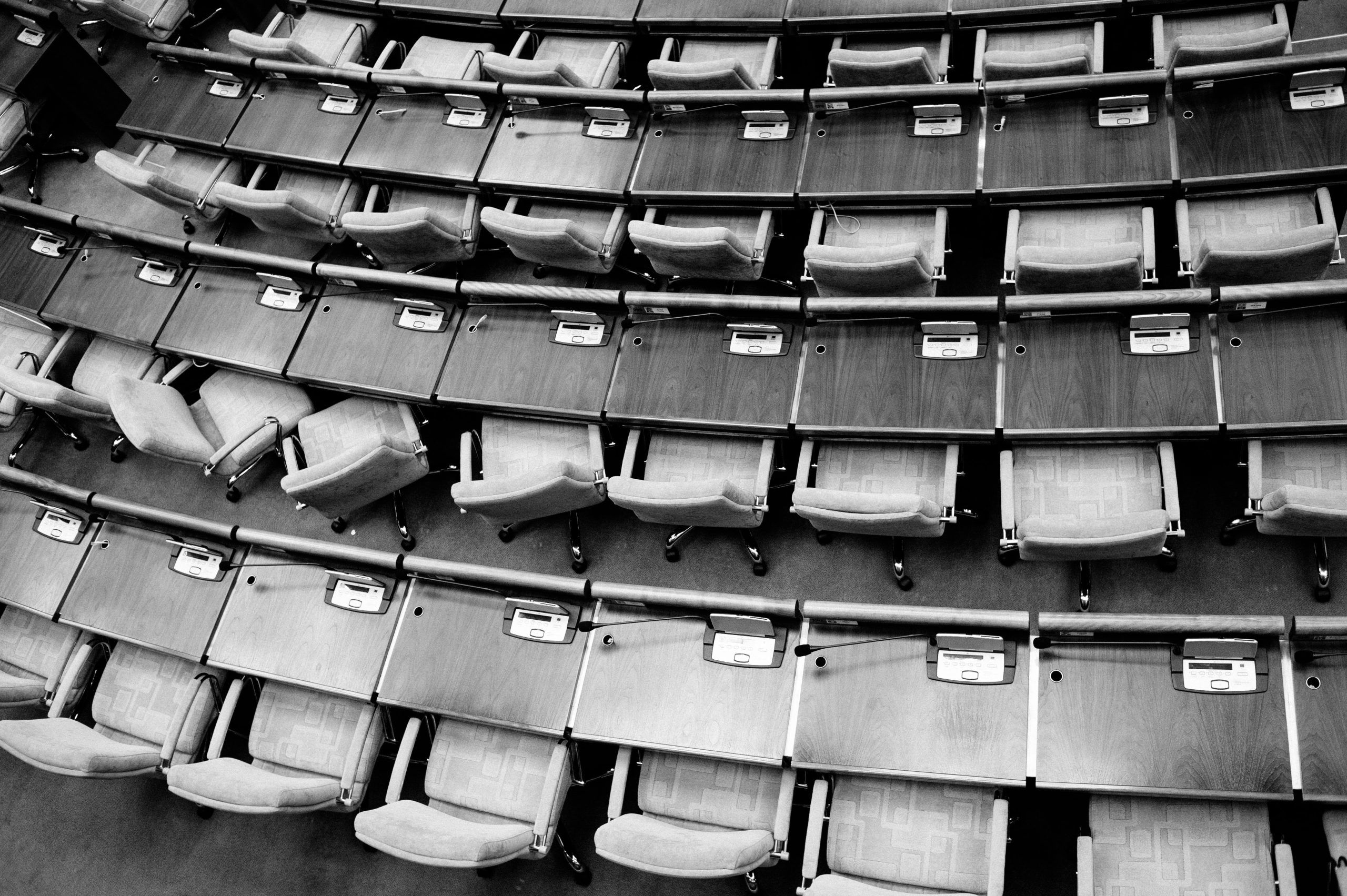
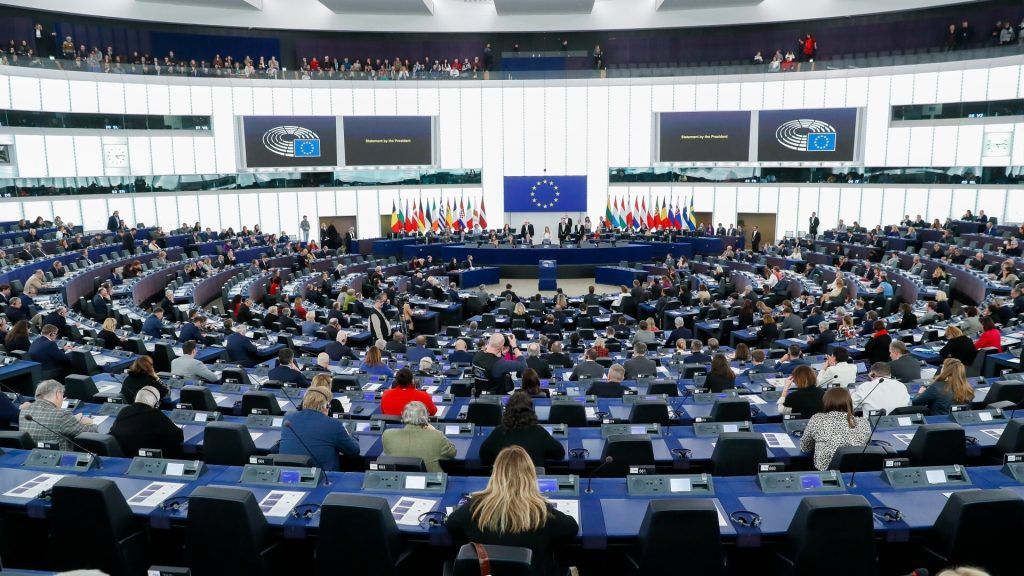
Parliament has reacted to recent allegations with immediate changes and demands for measures to close loopholes in existing transparency rules.
Following Tuesday’s debate, Parliament has adopted a resolution on the suspicions of corruption by Qatar and the broader need for more transparency in the EU institutions, with 541 votes in favour, two against, and three abstentions.
MEPs are appalled by the recent allegations that MEPs, former MEPs and EP staff are involved in corruption, money laundering and participation in a criminal organisation, and support the full cooperation of the House with the ongoing investigation, noting that internal systems failed to prevent corruption. They also denounce the alleged corruption attempts by Qatar, which would constitute serious foreign interference in European democracy.
Israel and Palestine: MEPs call for a European peace initiative |
Immediate suspension of all legislative work related to Qatar
As an immediate measure, MEPs have decided to suspend all work on legislative files relating to Qatar, particularly concerning visa liberalisation and the EU aviation agreement with Qatar, as well as planned visits, until things become clearer. They also ask that security passes for representatives of Qatari interests be suspended until the judicial investigations provide clarity.
Reforming Parliament’s rules
The House is concerned about potential conflicts of interest caused by “side jobs”, especially where some MEPs serve as managers, on the board of directors or on advisory boards of, or as consultants to banks, multinational companies or publicly traded companies. MEPs support a system of asset declarations, at the beginning and end of each mandate. These declarations could be accessible only to relevant authorities and would be checked if there are substantiated allegations.
They also commit to ensuring full transparency regarding their additional income and to prohibit any external financing of MEP and political groups’ staff. Parliament will seek to establish an EU-level ban on donations from third countries to MEPs and political parties and asks the Commission to prepare a proposal to this end. A “cooling-off period” should be introduced for the end of an MEP’s mandate, to tackle the “revolving doors” phenomenon, MEPs say.
MEPs want to make the EU Transparency Register mandatory, extend its scope to representatives of third countries and former MEPs, and strengthen it so that it can be used to verify information more thoroughly. To help address other related issues, they also seek to set up an inquiry committee following the outcome of investigations and trials, to look into cases of corruption and improper actions by third countries, and a special committee to find flaws in Parliament’s framework and make proposals for reforms. Moreover, an EP Vice-President should be tasked with verifying integrity, and fighting corruption and foreign interference.
Recognising that parliamentary friendship groups must be properly regulated and monitored if they are to continue to exist, MEPs instruct the Quaestors to implement existing rules and put together an accessible, up-to-date register. They also call for information on “legislative footprints” to be disclosed for proposed texts and amendments.
Working with other EU institutions and agencies
Parliament urges the Commission to finally come forward with a proposal to set up the Independent Ethics Body that Parliament proposed in September 2021, and recommends improvements to the EU staff regulation in order to align it with the Whistleblowers Directive, which it will implement internally anyway. It also emphasises the role of the European Public Prosecutor’s Office, Eurojust, Europol and the EU’s anti-fraud agency OLAF, and calls for the capacities and cooperation of EPPO and OLAF to be bolstered further, as well as for common anti-corruption rules for members and staff of EU bodies.
Ideology and monetary policy The role of political parties’ stances in the ECB’s parliamentary hearings |
More information
Publicaciones relacionadas:
 MEPs to discuss citizens’ petitions related to COVID-19
 Returning to free movement across borders is of utmost importance
 First Annual Report on the Rule of Law situation across the European Union
 Boeing WTO case: The EU puts in place countermeasures against U.S. exports
 EU-Australia leaders’ meeting via video conference, 26 November 2020
Leave a Reply