
The Commission adopted a Communication clarifying the use of force majeure and exceptional circumstances for the EU agricultural sector in case of unforeseeable and extreme weather events. By clarifying the legal interpretation of this concept, the Commission aims to provide certainty for affected farmers regarding their Common Agricultural Policy (CAP) payments, while also ensuring a uniform application across the Union by national administrations. This Communication forms part of the package of to reduce administrative burden for EU farmers.
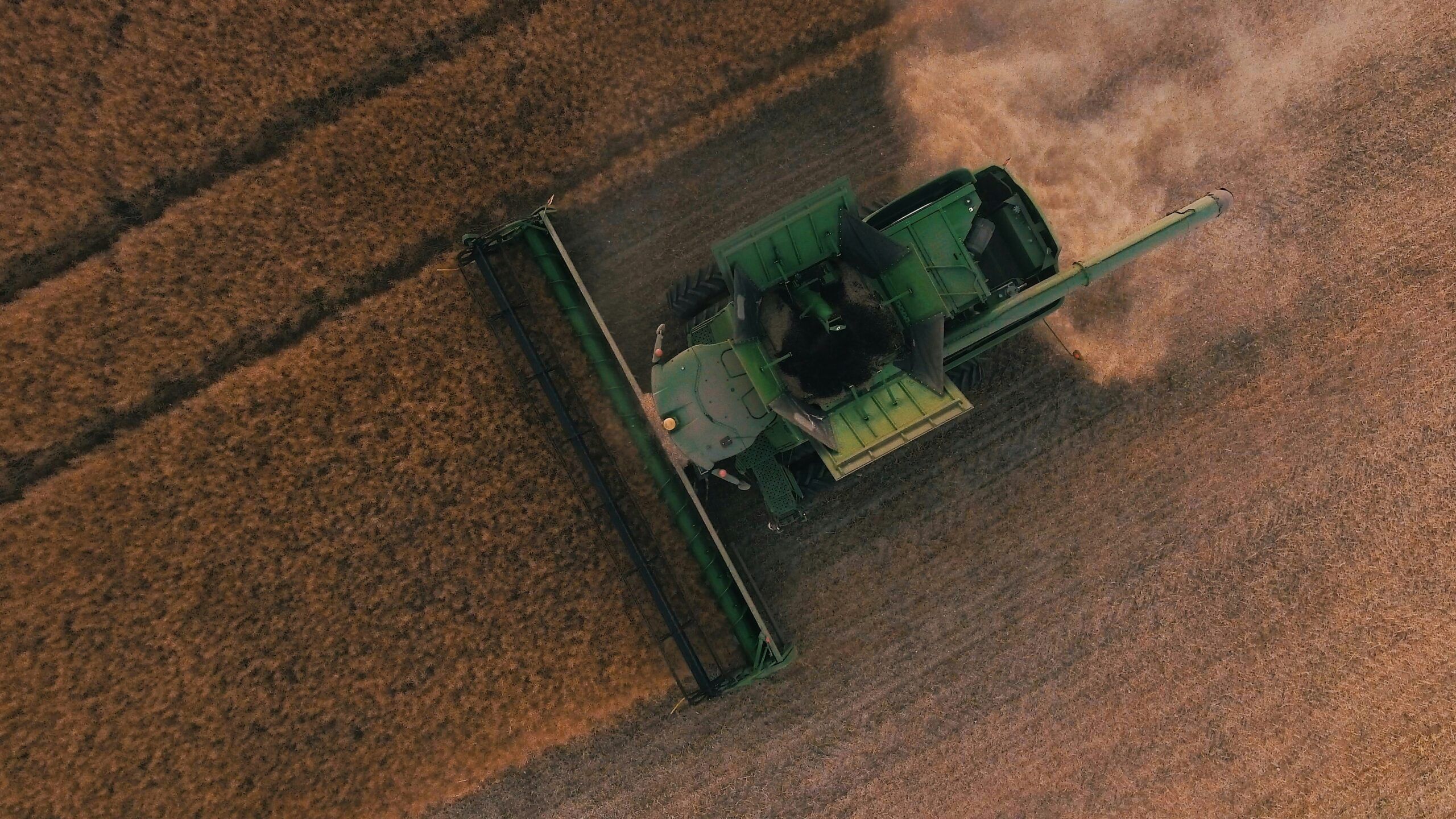
The concept of force majeure allows farmers who have been unable to fulfil all their CAP requirements due to exceptional and unforeseeable events outside their control (such as severe droughts or floods) not to lose CAP support. The application of this concept is decided by Member States based on relevant evidence and in light of Union agricultural law.
Because it constitutes an exception to the strict respect of obligations linked to CAP payments (such as conditionalities or measures in eco-schemes), this decision is normally applied in a restrictive manner, generally on a case-by-case or farm-by-farm basis. Today’s Communication clarifies that force majeure can apply to all farmers working in a delimited area that is affected by severe and unforeseeable natural disasters or meteorological events. This means that farmers located in the impacted area will not need to fill in individual requests or provide evidence for the fulfilment of the conditions of force majeure. This enlarged scope of application will reduce the administrative burden for farmers and national authorities, thus facilitating a swift response by Member States.
Conditions are set out in the Communication to allow the presumption that all farmers located in an area are covered by force majeure. Member States will have to confirm the occurrence of a severe natural disaster or a severe meteorological event and delimit the geographical area that has been gravely affected by the event, and whose consequences could not be prevented with all due care. For this delimitation, Member States can rely, for instance, on satellite data of the area concerned, without the need for specific satellite data at the level of the individual holdings. For certain types of events, national administrations will also consider additional factors, such as the slope gradient, soil type, or type of crops grown, to define the population affected without the need for individual verification. This could be the case, for instance, for frost which may not affect all crops in the same manner, or continuous rainfall, which may have different effects on areas with a slope, or soils with different water retention capacities.
With all the conditions fulfilled, today’s clarification exempts the authorities from the need for a case-by-case assessment.
The Commission remains in contact with Member States to provide legal guidance whenever necessary.

EU Agriculutre Ministers approve short-term measures to respond to farmers’ concerns |
Background
The European Commission has listened closely to the concerns expressed by farmers and Member States earlier this year and worked swiftly to deliver concrete actions to address the issues raised.
On 22 February, the Commission presented its first actions for simplification to reduce the administrative burden for EU farmers in a lasting way. On 15 March, it presented its proposal for a targeted review of the Common Agricultural Policy, which entered into force on 25 May after successfully being approved by the Council and the European Parliament.
Member States play a key role in keeping the administrative burden for farmers limited and proportionate. Any successful simplification exercise must be carried out in close cooperation with the national administrations and farmers themselves.
More Information:European Commission
Communication on force majeure and exceptional circumstances
Publicaciones relacionadas:
 Agriculture: Commission approves new geographical indication for Spain
 Agroecology: 14 EU-funded projects that are helping to shape the future of agriculture
 The European Commission proposes the revision of the current marketing standards applicable to several agri-food products
 EU Commission to spend €186 million promoting agri-food products in and outside EU in 2024
 President von der Leyen launches Strategic Dialogue on the Future of EU Agriculture
Leave a Reply