• Skip to primary navigation
  • Skip to main content
  • Skip to primary sidebar
  • Skip to footer
  • Bluesky
  • Facebook
  • Instagram
  • Twitter
  • YouTube
CDE Almería – Centro de Documentación Europea – Universidad de Almería

CDE Almería - Centro de Documentación Europea - Universidad de Almería

Centro de Documentación Europea de la Universidad de Almería

  • HOME
  • WHAT´S ON
    • EU NEWS
    • Activities
    • EU Calls and Awards
    • Radio Program «Europe with You»
  • DOCUMENTATION
    • EU Media Collection
      • Web Space
      • MEDIATHEQUE REPOSITORY
  • Europe on the net
    • Institutions
    • EU Representation in Spain
    • European information network of Andalusia
  • ABOUT US
    • Presentation
    • Services
    • People
    • Contact
  • Spanish
  • English

Behind the scenes of Russia’s foreign policy-making

Inicio » EU News » Behind the scenes of Russia’s foreign policy-making

10 de May de 2019

There is much we don’t know about how foreign policy is being shaped in Russia. Is Vladimir Putin as almighty as some believe him to be? Do international relations academics have an influence on government decisions? The RuKNOW project tried to find out.
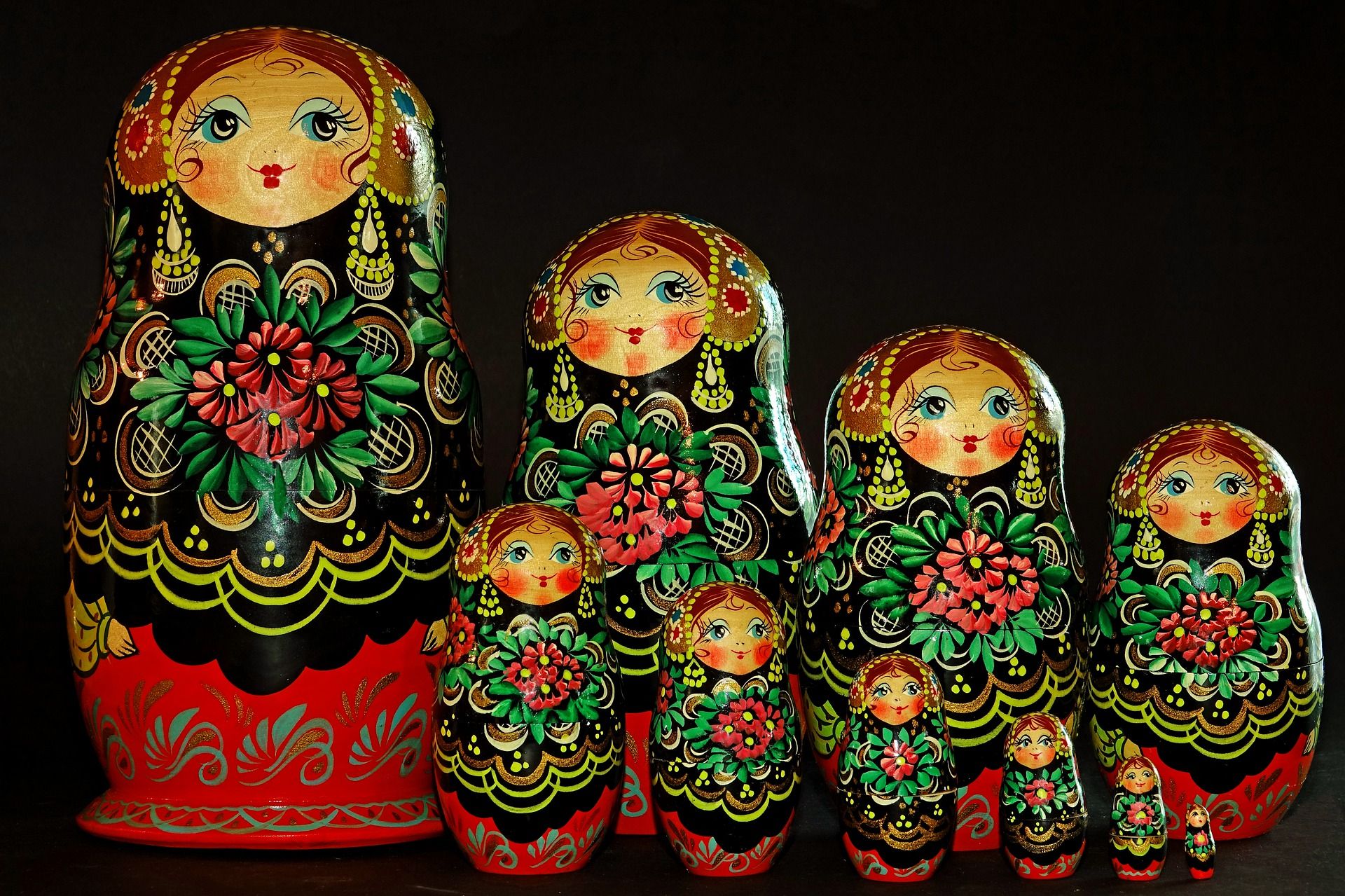
Relations between the EU and Russia are at one of their lowest points in history. While patching things up will be a gargantuan task, it undoubtedly starts with clarifying the main principles and drivers guiding Russian policies towards the EU. In an effort to understand academia’s role in this regard, Dr Katarzyna Kaczmarska from Aberystwyth University spent the past two years investigating the relationship between scholars and policy-makers in Russia.

Besides building bridges with Russian academics active in international affairs, her RuKNOW (Knowledge on International Relations in Russia) project, undertaken with the support of the Marie Curie programme, sheds new light on foreign policy-making in Russia and could help the EU in its efforts to strengthen pluralism in the Russian political debate.

Why was it important to verify these claims?

Russia’s foreign policy-making remains difficult to disentangle. It is rarely subject to public debate, especially since the outbreak of the Russia-Ukraine conflict in 2014. Meanwhile, the academic discipline of IR in Russia has been flourishing for the last two decades. This raises the question of what academics’ role as foreign policy advisers is or might be.

By exploring the relationship between scholars and the policy world, we can better understand how foreign policy is made in Russia. It allows for nuancing both the oversimplified picture of Vladimir Putin taking all the decisions and the presumption that all Russian experts in the area of international politics follow the official line.

How do you see EU/Russia relations evolving in the future?

The last decade showed a gradual worsening of Russia-EU relations. Both actors’ official rhetoric of partnership and cooperation allowed for many problematic aspects to be swept under the carpet. Unfortunately, none of the reasons that contributed to this state of affairs seems to be disappearing, starting from the conflict in Ukraine and ending with Russia’s unofficial support for far-right parties in Europe.

Both sides are disappointed in each other. Russian authorities have become more and more united in perceiving the EU as a competitor rather than a partner. In the EU, frustration related to actual and perceived threats to cybersecurity originating from Russia is growing. I believe that the evolution of the domestic situation in both the EU and Russia will be the most important factor in the future development of Russia-EU ties.

More Information

Access to the full news
Publicaciones relacionadas:

Mini robots to create patterns inspired by nature Parliament to host conference on abolishing the death penalty Economic policies in EU: some progress, challenges remain EU invests over €10bn in innovative clean technologies Protecting citizens’ access to social security in case of no-deal Brexit

EU News Unión Europea

“This is a space for debate. All comments, for or against publication, that are respectful and do not contain expressions that are discriminatory, defamatory or contrary to current legislation will be published”.

Reader Interactions

Leave a Reply Cancel reply

Your email address will not be published. Required fields are marked *

This site uses Akismet to reduce spam. Learn how your comment data is processed.

Primary Sidebar

Footer

  • CDE Almería
  • Biblioteca Nicolás Salmerón – Universidad de Almería
  • Planta: 1ª, Despacho: 1.05.0B.
  • Ctra. Sacramento s/n. Almería (Spain)
  • Teléfono: (+34) 950 015266

HOME
NEWS
DOCUMENTATION
EUROPE ON THE NET
ABOUT US

  • LEGAL NOTICE
  • PRIVACY POLICY
  • COOKIE POLICY
  • ACCESSIBILITY
  • SITEMAP

Copyright © 2026 CDE Almería · Creative Commons LicenseThis work is licensed under a Creative Commons Attribution-NonCommercial 4.0 International License.

<p>El Centro de Documentación Europea de la Universidad de Almería utiliza cookies propias y de terceros para facilitar al usuario la navegación en su página Web y el acceso a los distintos contenidos alojados en la misma. Asimismo, se utilizan cookies analíticas de terceros para medir la interacción de los usuarios con el sitio Web. Pinche el siguiente enlace si desea información sobre el uso de cookies y como deshabilitarlas. </p>

Politica de privacidad

El Centro de Documentación Europea de la Universidad de Almería utiliza cookies propias y de terceros para facilitar al usuario la navegación en su página Web y el acceso a los distintos contenidos alojados en la misma. Asimismo, se utilizan cookies analíticas de terceros para medir la interacción de los usuarios con el sitio Web. Pinche el siguiente enlace si desea información sobre el uso de cookies y como deshabilitarlas. <a href="/politica-de-cookies" rel="noopener" target="_blank">Más información</a>

Cookies estrictamente necesarias

Las cookies estrictamente necesarias tiene que activarse siempre para que podamos guardar tus preferencias de ajustes de cookies.

Básicamente la web no funcionara bien si no las activas.

Estas cookies son:

  • Comprobación de inicio de sesión.
  • Cookies de seguridad.
  • Aceptación/rechazo previo de cookies.
Cookies de terceros

Esta web utiliza Google Analytics, Google Tag Manager y Yandex Metrika para recopilar información anónima tal como el número de visitantes del sitio, o las páginas más populares.

Dejar estas cookies activas nos permite mejorar nuestra web.

Política de cookies

Pinche el siguiente enlace si desea información sobre el uso de cookies y como deshabilitarlas. Más información