
The Commission welcomes the agreement reached at the International Maritime Organization (IMO) to revise its 2018 strategy on reducing greenhouse gas (GHG) emissions from ships.
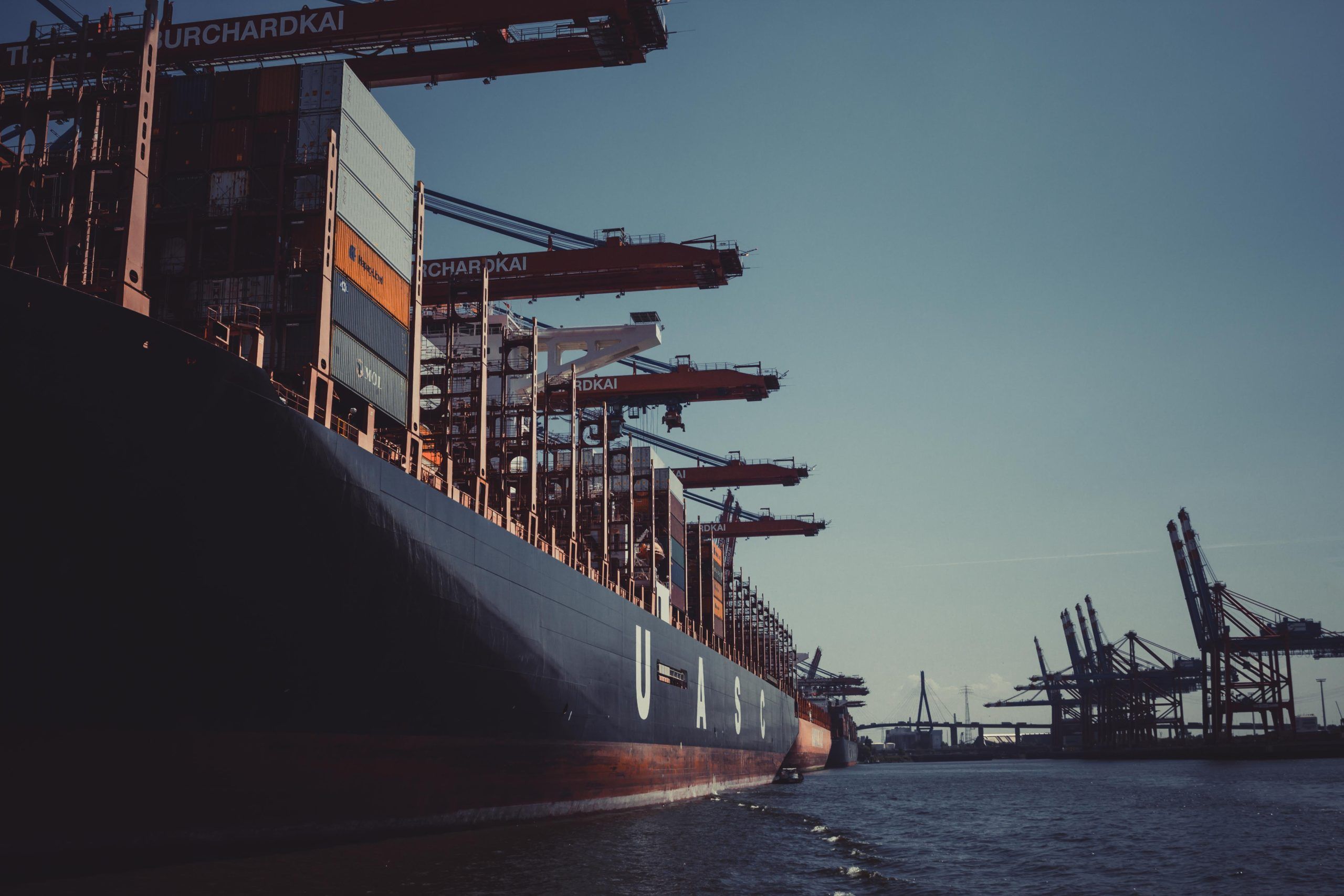
The agreement is a milestone to cut the carbon footprint of international maritime transport and ensure that the shipping sector makes a fair contribution to achieving the Paris Agreement targets, commensurate to its 3% share of global emissions. Now that the agreement is reached, it is important to start implementation as soon as possible.
The revised 2023 strategy sets a goal of net zero emissions from ships “by or around, i.e. close to, 2050”. This is a major increase in the level of ambition compared to the existing 2018 strategy, which aimed at reducing emissions from ships by just 50% in the same time horizon. A trajectory has also been agreed with indicative checkpoints set at reducing GHG emissions from ships by at least 20% – striving for 30% – in 2030 and at least 70% – striving for 80% – in 2040, both in comparison to 2008 levels. The Commission is ready to engage together with the EU Member States and other IMO parties to implement a pathway consistent with the Paris Agreement temperature goal.
The strategy also sets an important target of at least 5% – striving for 10% – uptake of zero or near-zero GHG emission technologies, fuels and/or energy sources by 2030. This target will set the transition in motion by sending a clear signal to the maritime and fuel industries and incentivising the required investment decisions and fuel choices.

European Commission proposes tougher CO2 emission standards for trucks and buses |
Finally, good progress was achieved on measures to implement the targets. The IMO reached consensus on the need to adopt such measures by 2025 and that they should comprise a standard regulating the gradual reduction of the marine fuels’ GHG intensity, and a maritime GHG emissions pricing mechanism. The measures will be developed on the basis of a comprehensive impact assessment ensuring that they effectively reduce emissions from the sector, while contributing to a level playing field and a fair and equitable transition leaving no one behind.
The levels of ambition and indicative checkpoints take into account the lifecycle GHG emissions from marine fuels with the objective of reducing emissions within the boundaries of the energy system of international shipping, thereby preventing a shift of emissions to other sectors. The Commission welcomes in this regard the approval of the guidelines on the life cycle GHG intensity of marine fuels, which provides a solid foundation for the years to come and guarantees that GHG emissions are reduced.
The EU Member States and the Commission worked together closely and demonstrated leadership in facilitating an agreement today. The EU will continue to engage with the IMO parties to decide on clear and ambitious measures by 2025 as well as to continue providing assistance to developing and least developed countries.
More information: European Commission
Publicaciones relacionadas:
 Single European Sky: lowering emissions and reducing delays
 EU cohesion policy: 77 million euros for green transport in Andalusia
 Spain: 285 million euros to contribute to rail freight development
 Commission seeks feedback on performance of exemption for liner shipping consortia
 Road safety: Updated requirements for driving licences
Leave a Reply