• Skip to primary navigation
  • Skip to main content
  • Skip to primary sidebar
  • Skip to footer
  • Bluesky
  • Facebook
  • Instagram
  • Twitter
  • YouTube
CDE Almería – Centro de Documentación Europea – Universidad de Almería

CDE Almería - Centro de Documentación Europea - Universidad de Almería

Centro de Documentación Europea de la Universidad de Almería

  • HOME
  • WHAT´S ON
    • EU NEWS
    • Activities
    • EU Calls and Awards
    • Radio Program «Europe with You»
  • DOCUMENTATION
    • EU Media Collection
      • Web Space
      • MEDIATHEQUE REPOSITORY
  • Europe on the net
    • Institutions
    • EU Representation in Spain
    • European information network of Andalusia
  • ABOUT US
    • Presentation
    • Services
    • People
    • Contact
  • Spanish
  • English

EEA: Cutting pollution would significantly reduce heart attacks and strokes in Europe

Inicio » EU News » Health » Diseases » EEA: Cutting pollution would significantly reduce heart attacks and strokes in Europe

21 de February de 2024

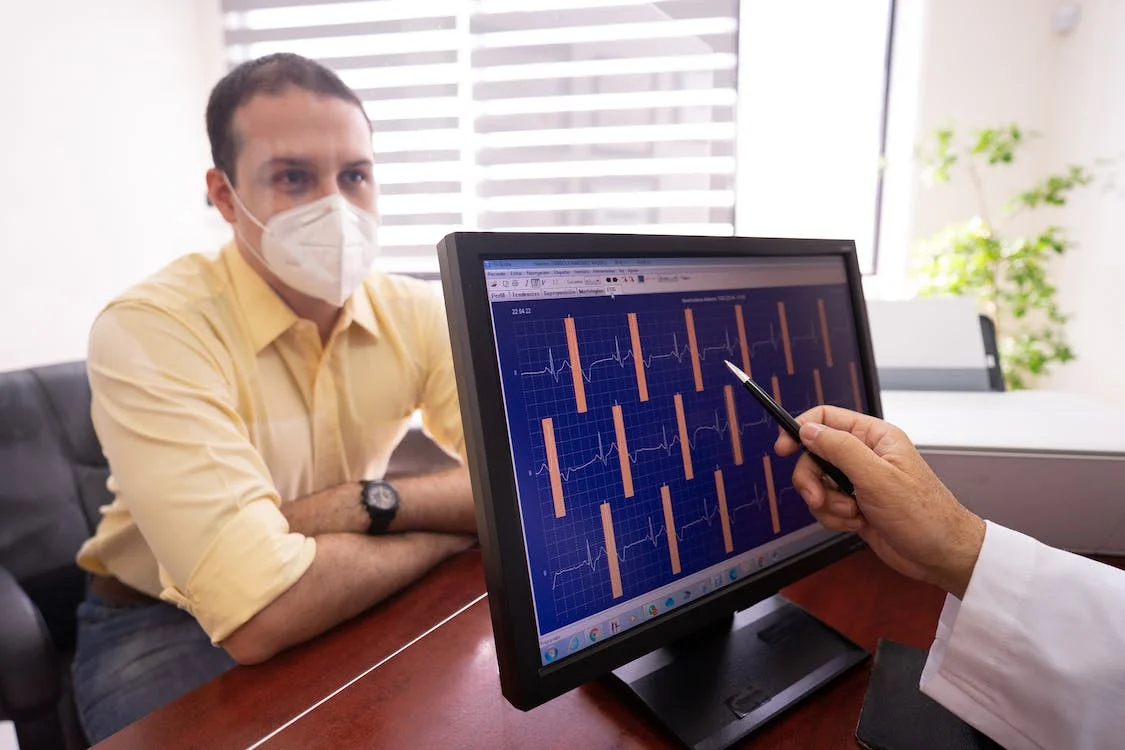
Scientific evidence shows that environmental risks are responsible for a large part of cardiovascular diseases, the most frequent cause of death in Europe.

A European Environment Agency analysis, published, presents the link between the environment and cardiovascular disease and highlights that action against pollution, extreme temperatures and other environmental hazards is a cost-effective measure to reduce the burden of disease, including heart attacks and strokes.

The EEA report ‘Beating cardiovascular disease – the role of Europe’s environment’ describes the scientific evidence on the environmental determinants of cardiovascular disease in Europe and the corresponding EU policy responses. The analysis shows that reducing exposure to pollution and mitigating and adapting to climate change, as well as combating energy poverty, can significantly reduce the burden of cardiovascular disease and resulting deaths in Europe.

Recent studies estimate that at least 18% of all cardiovascular disease deaths in Europe are due to key environmental factors, such as exposure to air pollution, extreme temperatures, passive smoking and lead. However, the EEA analysis points out that this figure is likely to be underestimated, as it does not take into account workplace exposure, noise pollution and toxic chemicals other than lead. In addition, some factors, such as night-time light pollution or the combined effect of exposure to different chemicals, are not yet well understood.

The EEA analysis underlines that environmental risks are avoidable but that the possibilities for individual citizens to protect themselves are limited. This means that laws and regulations, including those set by the EU, and their effective enforcement, are needed to reduce the environmental burden of disease for all people. The EEA analysis concludes that, despite some uncertainties and lack of data, the scientific evidence strongly supports that reducing environmental exposure is a cost-effective strategy to reduce cardiovascular disease.

The EEA report on environment and cardiovascular disease is part of the Agency’s work in support of the implementation and monitoring of the EU’s Zero Pollution Action Plan, which is one of the key initiatives under the European Green Pact.

HORIZON EUROPE: Cardiovascular diseases – improved prediction, prevention, diagnosis and monitoring

More information: EEA

Publicaciones relacionadas:

COVID-19: ECDC updates case definition for EU surveillance banderas europeasThe European Commission will address the issue of Coronavirus at its meeting on 5th March Statement by the President of the ECB about Covid-19 COVID-19: UN releases US$15 million to help vulnerable countries to combat coronavirus NOW: Press conference about Coronavirus


Diseases,  EU News,  Health Contaminación

“This is a space for debate. All comments, for or against publication, that are respectful and do not contain expressions that are discriminatory, defamatory or contrary to current legislation will be published”.

Reader Interactions

Leave a Reply Cancel reply

Your email address will not be published. Required fields are marked *

This site uses Akismet to reduce spam. Learn how your comment data is processed.

Primary Sidebar

Footer

  • CDE Almería
  • Biblioteca Nicolás Salmerón – Universidad de Almería
  • Planta: 1ª, Despacho: 1.05.0B.
  • Ctra. Sacramento s/n. Almería (Spain)
  • Teléfono: (+34) 950 015266

HOME
NEWS
DOCUMENTATION
EUROPE ON THE NET
ABOUT US

  • LEGAL NOTICE
  • PRIVACY POLICY
  • COOKIE POLICY
  • ACCESSIBILITY
  • SITEMAP

Copyright © 2026 CDE Almería · Creative Commons LicenseThis work is licensed under a Creative Commons Attribution-NonCommercial 4.0 International License.

<p>El Centro de Documentación Europea de la Universidad de Almería utiliza cookies propias y de terceros para facilitar al usuario la navegación en su página Web y el acceso a los distintos contenidos alojados en la misma. Asimismo, se utilizan cookies analíticas de terceros para medir la interacción de los usuarios con el sitio Web. Pinche el siguiente enlace si desea información sobre el uso de cookies y como deshabilitarlas. </p>

Politica de privacidad

El Centro de Documentación Europea de la Universidad de Almería utiliza cookies propias y de terceros para facilitar al usuario la navegación en su página Web y el acceso a los distintos contenidos alojados en la misma. Asimismo, se utilizan cookies analíticas de terceros para medir la interacción de los usuarios con el sitio Web. Pinche el siguiente enlace si desea información sobre el uso de cookies y como deshabilitarlas. <a href="/politica-de-cookies" rel="noopener" target="_blank">Más información</a>

Cookies estrictamente necesarias

Las cookies estrictamente necesarias tiene que activarse siempre para que podamos guardar tus preferencias de ajustes de cookies.

Básicamente la web no funcionara bien si no las activas.

Estas cookies son:

  • Comprobación de inicio de sesión.
  • Cookies de seguridad.
  • Aceptación/rechazo previo de cookies.
Cookies de terceros

Esta web utiliza Google Analytics, Google Tag Manager y Yandex Metrika para recopilar información anónima tal como el número de visitantes del sitio, o las páginas más populares.

Dejar estas cookies activas nos permite mejorar nuestra web.

Política de cookies

Pinche el siguiente enlace si desea información sobre el uso de cookies y como deshabilitarlas. Más información