• Skip to primary navigation
  • Skip to main content
  • Skip to primary sidebar
  • Skip to footer
  • Bluesky
  • Facebook
  • Instagram
  • Twitter
  • YouTube
CDE Almería – Centro de Documentación Europea – Universidad de Almería

CDE Almería - Centro de Documentación Europea - Universidad de Almería

Centro de Documentación Europea de la Universidad de Almería

  • HOME
  • WHAT´S ON
    • EU NEWS
    • Activities
    • EU Calls and Awards
    • Radio Program «Europe with You»
  • DOCUMENTATION
    • EU Media Collection
      • Web Space
      • MEDIATHEQUE REPOSITORY
  • Europe on the net
    • Institutions
    • EU Representation in Spain
    • European information network of Andalusia
  • ABOUT US
    • Presentation
    • Services
    • People
    • Contact
  • Spanish
  • English

A new labelling for tyres towards a greener and safer transport

Inicio » EU News » A new labelling for tyres towards a greener and safer transport

16 de November de 2019

The new labelling scheme for car and truck tyres aims to increase consumer awareness and fuel savings, improve safety and decrease noise pollution. he new regulation on the labelling of tyres will repeal and replace the 2009 Tyre Labelling Regulation once it enters into force.

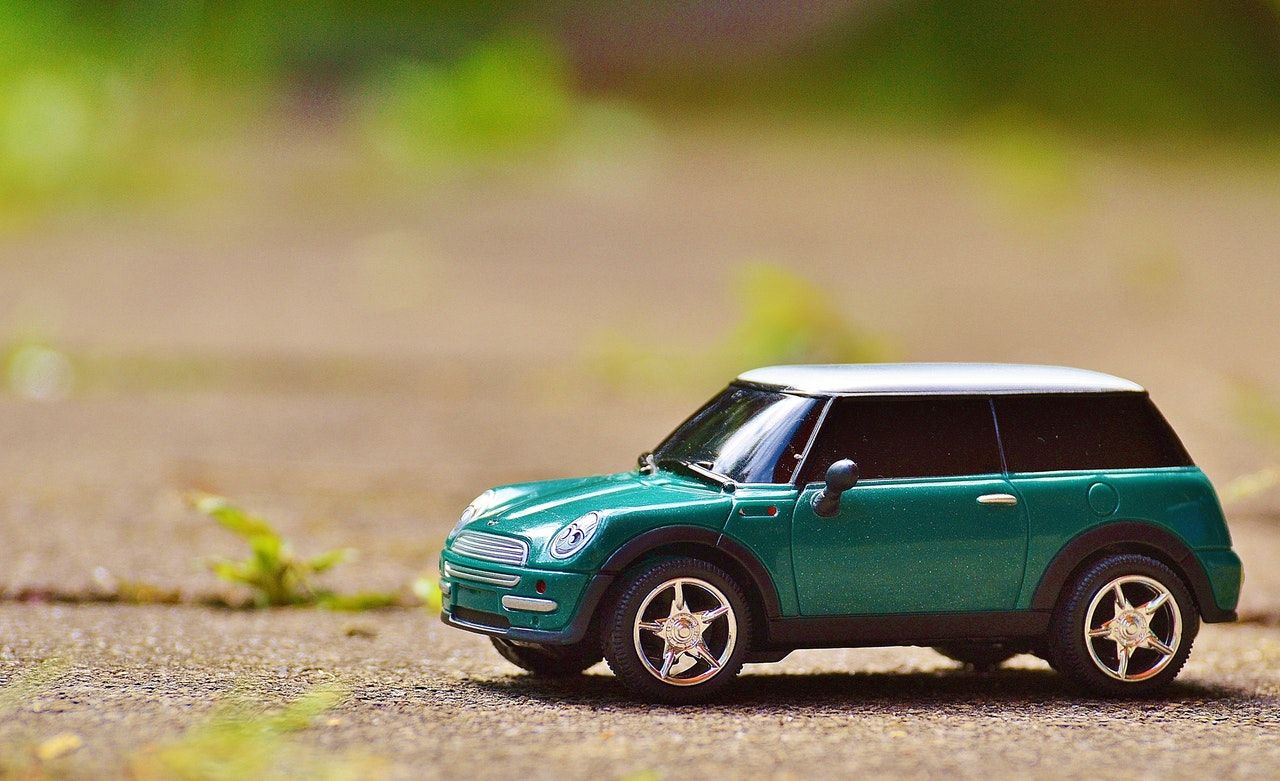
miniatura de coche estilo "Mini", de color verde, sobre el suelo exterior
New labelling

Under the new rules, the labelling will have to indicate the tyre’s fuel efficiency, wet grip and external rolling noise. Information on snow and ice performance may also be included on the label with pictograms.

The label can be added to in the future, by means of so-called delegated acts, to include information on mileage, abrasion, retreated tyres and for snow and ice grip. Mileage and abrasion performance data would be added when a testing method becomes available.

Labels must be clearly visible to consumers, be on display in all situations where tyres are sold, including online, and should provide a QR code for easy scan.

The aim of the new bill, still to be formally adopted, is to increase consumer awareness and improve market surveillance across the EU, to reap the potential benefits for the environment, health and safety. The abrasion of tyres during use is a significant source of micro-plastics, which are harmful to the environment.

Heavy vehicles

The new labelling scheme would also apply to heavy-duty vehicles (so-called C3 tyres), which are currently not covered by EU labelling requirements. Freight accounts for a large percentage of GHG emissions coming from transport. Since C3 tyres consume more fuel and cover more kilometres per year than C1 (passenger cars) and C2 (light commercial vehicles), they have greater potential in terms of reducing fuel consumption and emissions.

Next steps

. The legislation was informally agreed by MEPs from the Industry and Research Committee and the Finnish Presidency of the Council. The informal agreement will now have to be endorsed by the European Parliament’s Industry committee and the Council’s Committee of Permanent Representatives (COREPER). If then approved by both Parliament and Council, it would be applicable from 1 May 2021

More information

Full news

Environment Section

Publicaciones relacionadas:
Commission welcomes adoption of new rules on single–use plastics to reduce marine litter Figura en miniatura de un señor con un maletín sobre un mapa de EuropaCommission adopts €4 billion investment package for infrastructure projects across 10 Member States Incendios UE2018 broke the record with the largest number of countries affected by forest fires EU emissions in 2018 are lower but still far from the 2030 target Priority: Green Pact for Europe


EU News Environment,  European Union,  Unión Europea

“This is a space for debate. All comments, for or against publication, that are respectful and do not contain expressions that are discriminatory, defamatory or contrary to current legislation will be published”.

Reader Interactions

Leave a Reply Cancel reply

Your email address will not be published. Required fields are marked *

This site uses Akismet to reduce spam. Learn how your comment data is processed.

Primary Sidebar

Footer

  • CDE Almería
  • Biblioteca Nicolás Salmerón – Universidad de Almería
  • Planta: 1ª, Despacho: 1.05.0B.
  • Ctra. Sacramento s/n. Almería (Spain)
  • Teléfono: (+34) 950 015266

HOME
NEWS
DOCUMENTATION
EUROPE ON THE NET
ABOUT US

  • LEGAL NOTICE
  • PRIVACY POLICY
  • COOKIE POLICY
  • ACCESSIBILITY
  • SITEMAP

Copyright © 2026 CDE Almería · Creative Commons LicenseThis work is licensed under a Creative Commons Attribution-NonCommercial 4.0 International License.

<p>El Centro de Documentación Europea de la Universidad de Almería utiliza cookies propias y de terceros para facilitar al usuario la navegación en su página Web y el acceso a los distintos contenidos alojados en la misma. Asimismo, se utilizan cookies analíticas de terceros para medir la interacción de los usuarios con el sitio Web. Pinche el siguiente enlace si desea información sobre el uso de cookies y como deshabilitarlas. </p>

Politica de privacidad

El Centro de Documentación Europea de la Universidad de Almería utiliza cookies propias y de terceros para facilitar al usuario la navegación en su página Web y el acceso a los distintos contenidos alojados en la misma. Asimismo, se utilizan cookies analíticas de terceros para medir la interacción de los usuarios con el sitio Web. Pinche el siguiente enlace si desea información sobre el uso de cookies y como deshabilitarlas. <a href="/politica-de-cookies" rel="noopener" target="_blank">Más información</a>

Cookies estrictamente necesarias

Las cookies estrictamente necesarias tiene que activarse siempre para que podamos guardar tus preferencias de ajustes de cookies.

Básicamente la web no funcionara bien si no las activas.

Estas cookies son:

  • Comprobación de inicio de sesión.
  • Cookies de seguridad.
  • Aceptación/rechazo previo de cookies.
Cookies de terceros

Esta web utiliza Google Analytics, Google Tag Manager y Yandex Metrika para recopilar información anónima tal como el número de visitantes del sitio, o las páginas más populares.

Dejar estas cookies activas nos permite mejorar nuestra web.

Política de cookies

Pinche el siguiente enlace si desea información sobre el uso de cookies y como deshabilitarlas. Más información