
Parliament and Council have reached a provisional agreement on new EU circularity rules to cover the entire vehicle lifecycle, from design to final end-of-life treatment.
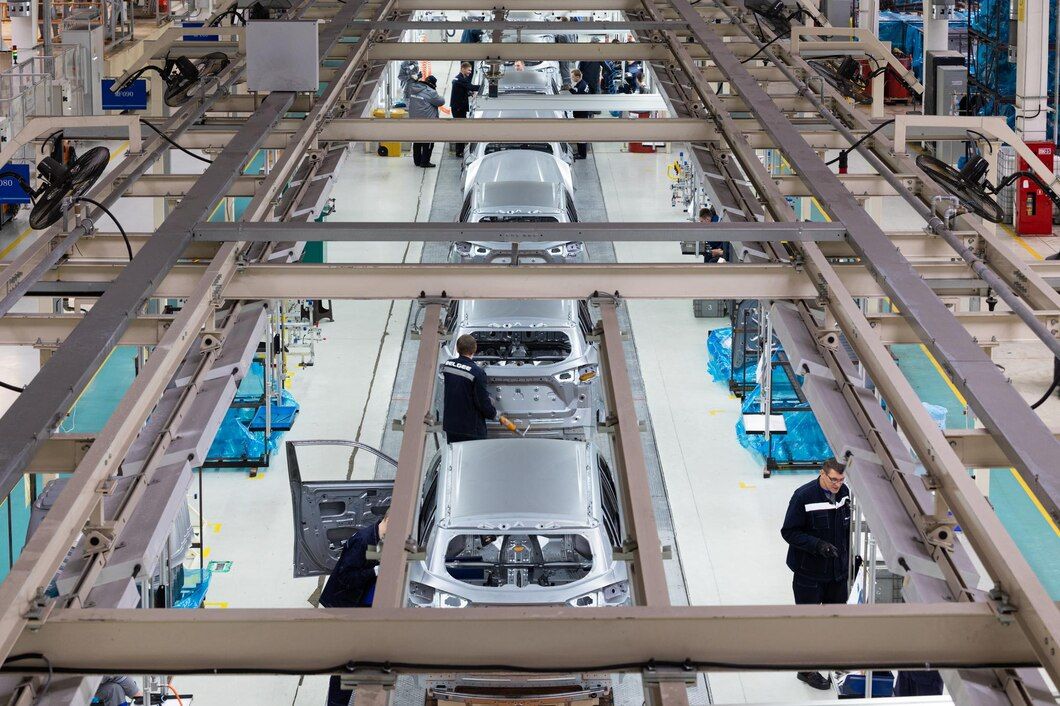
Improved vehicle design and use of recycled materials
According to the agreed draft, all new vehicles should be designed so as to allow the easy removal of as many parts and components as possible by authorised treatment facilities.
Co-legislators agreed that the plastic used in each new vehicle type should contain a minimum of 15% recycled plastic within six years of the rules’ entry into force and 25% within ten years. 20% of these targets would have to be achieved by including in the vehicle type concerned plastics recycled from end-of-life vehicles or from parts and components removed from vehicles during the use phase (“closed loop”).
They also agreed that the Commission should introduce targets for recycled steel and aluminium (two years after the entry into force of the regulation), following the completion of feasibility studies. The feasibility to introduce additional targets, for recycled critical raw materials, would also be evaluated.
Transfer of ownership of used vehicles within the EU
The deal includes a set of requirements to be met when transferring the ownership of used vehicles, without imposing unnecessary burden on citizens. The documentation required when an economic operator sells a vehicle to a natural or legal person would consist of either an assessment that the vehicle is not an ELV or a valid roadworthiness certificate. A natural person would need to provide this documentation only if the vehicle is declared a total economic loss or if the sale is concluded exclusively online.
Stricter rules for end-of-life management and better enforcement
Three years after the entry into force of the new rules, manufacturers would have extended producer responsibility, i.e., they would have to cover the cost of the collection and treatment of vehicles that have reached their end-of-life stage.
Specific requirements would apply to the mandatory removal of certain parts and components, as well as of liquids, fluids and hazardous substances, before shredding or compacting. National authorities would be required to establish inspection strategies aimed at detecting illegal activities during the collection, treatment and export of ELVs.
Strengthening export rules for used vehicles
To prevent the illegal treatment and export of ELVs and to address the issue of “missing vehicles”, negotiators agreed on an export ban for non-roadworthy vehicles (applicable five years after the entry into force of the regulation). The deal clarifies the criteria determining when a used vehicle qualifies as an ELV, as well as the necessary documentation for customs authorities.
Quote
Co-rapporteurs Jens Gieseke (EPP, DE), of the Environment committee, and Paulius Saudargas (EPP, LT), of the Internal Market committee, said: “We are taking important steps to boost the automotive sector’s transition to a circular economy. We are advancing resource security, protecting the environment, and ensuring sustainability. To avoid overburdening the industry, we secured realistic targets and ensured less red tape and fairer competition.”
Next steps
The provisional agreement needs to be approved by both Parliament and Council before the new rules can enter into force.
Background
On 13 July 2023, the Commission proposed a new regulation on circularity requirements for vehicle design and improved management of end-of-life vehicles, in line with the objectives of the European Green Deal and the circular economy action plan.
In 2023, 14.8 million motor vehicles were manufactured in the EU, while 12.4 million vehicles were registered. There are 285.6 million motor vehicles on EU roads and every year around 6.5 million vehicles come to the end of their lives.
More information: European Parliament
Publicaciones relacionadas:
 New EU rules to make the automotive sector more sustainable
 European Parliament approves law on sustainable marine fuels
 Maritime safety: deal on stricter measures to stop shipping pollution
 Local and regional leaders urge EU action to combat mobility poverty
 Updated rules for safer roads, less air pollution and digital vehicle documents
Leave a Reply