• Skip to primary navigation
  • Skip to main content
  • Skip to primary sidebar
  • Skip to footer
  • Bluesky
  • Facebook
  • Instagram
  • Twitter
  • YouTube
CDE Almería – Centro de Documentación Europea – Universidad de Almería

CDE Almería - Centro de Documentación Europea - Universidad de Almería

Centro de Documentación Europea de la Universidad de Almería

  • HOME
  • WHAT´S ON
    • EU NEWS
    • Activities
    • EU Calls and Awards
    • Radio Program «Europe with You»
  • DOCUMENTATION
    • EU Media Collection
      • Web Space
      • MEDIATHEQUE REPOSITORY
  • Europe on the net
    • Institutions
    • EU Representation in Spain
    • European information network of Andalusia
  • ABOUT US
    • Presentation
    • Services
    • People
    • Contact
  • Spanish
  • English

World Press Freedom Day: Statement by the High Representative on behalf of the European Union

Inicio » EU News » World Press Freedom Day: Statement by the High Representative on behalf of the European Union

3 de May de 2023

“Everyone has the right to freedom of opinion and expression; this right includes freedom to hold opinions without interference and to seek, receive and impart information and ideas through any media and regardless of frontiers”.
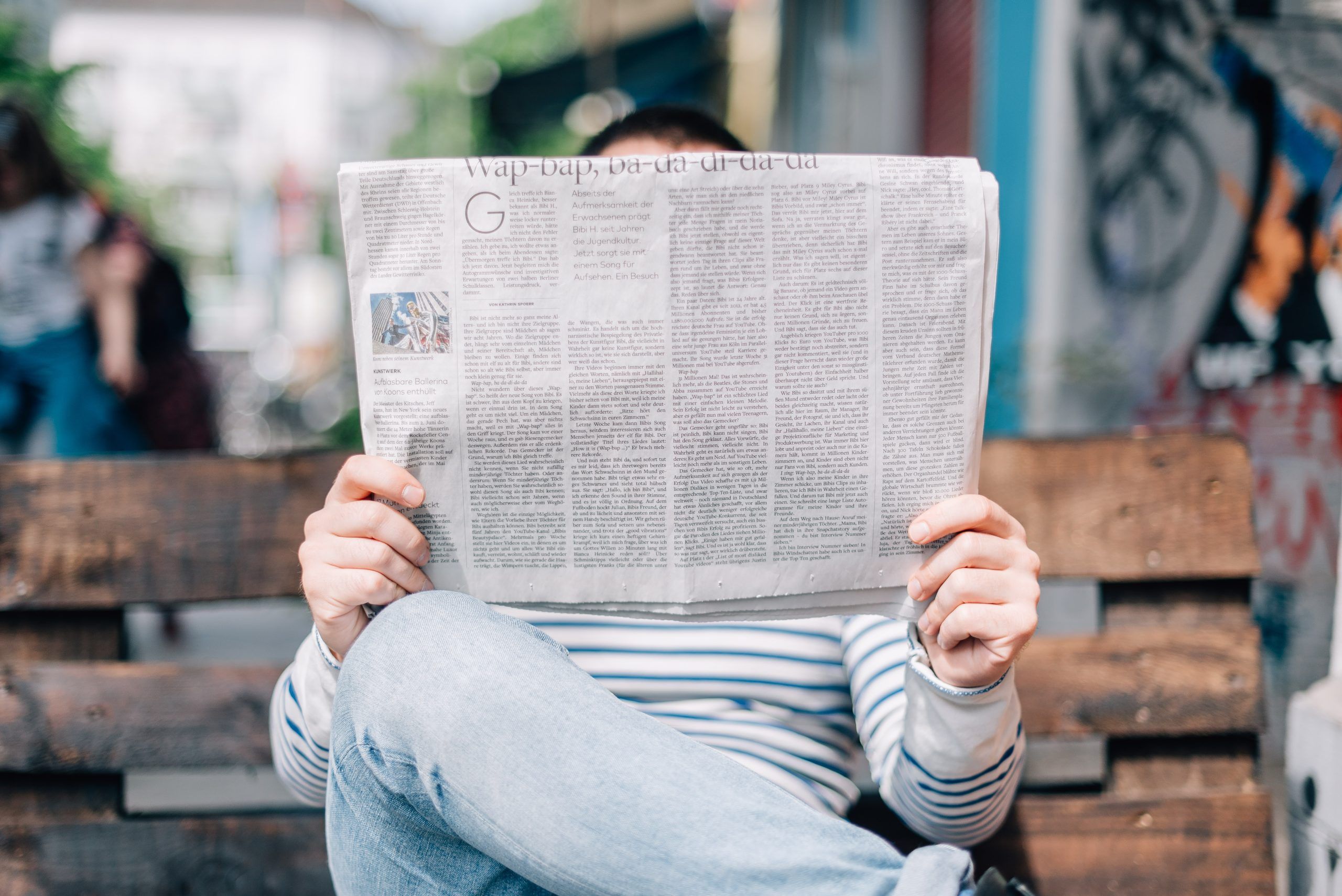
persona leyendo periódico

Laid down in the Universal Declaration of Human Rights 75 years ago, the protection of freedom of expression remains a key priority for EU human rights action. This year we join UNESCO in emphasizing that, today more than ever, freedom of expression is crucial for all other human rights and contributes decisively to ‘Shaping a Future of Rights’.

While the preservation of free, independent and pluralistic media is vital for resilient and healthy democracies, press freedom is at stake in most parts of the world today. Journalists, media workers and all those who bring independent quality information to the public, shed light on the gross human rights violations and atrocities and hold those in power to account increasingly face discredit, threats and attacks, including through disinformation.

Reporters in an attacked Ukraine, journalists in Belarus and Afghanistan, independent media in the Middle East and North Africa, local journalists in Central America, the Nobel Prize laureates in the Philippines and Russia and many other media workers worldwide, including in Europe, continue to pay a high price for exercising their profession.

Women journalists are particularly vulnerable to threats and increasing attacks, both offline and online. They are exposed to stigmatization, sexist hate speech, trolling, sexual and gender-based violence and even murder. 73% of women journalists have experienced online threats, abuse and harassment in the course of their work. We have never seen as many women journalists in detention as today.
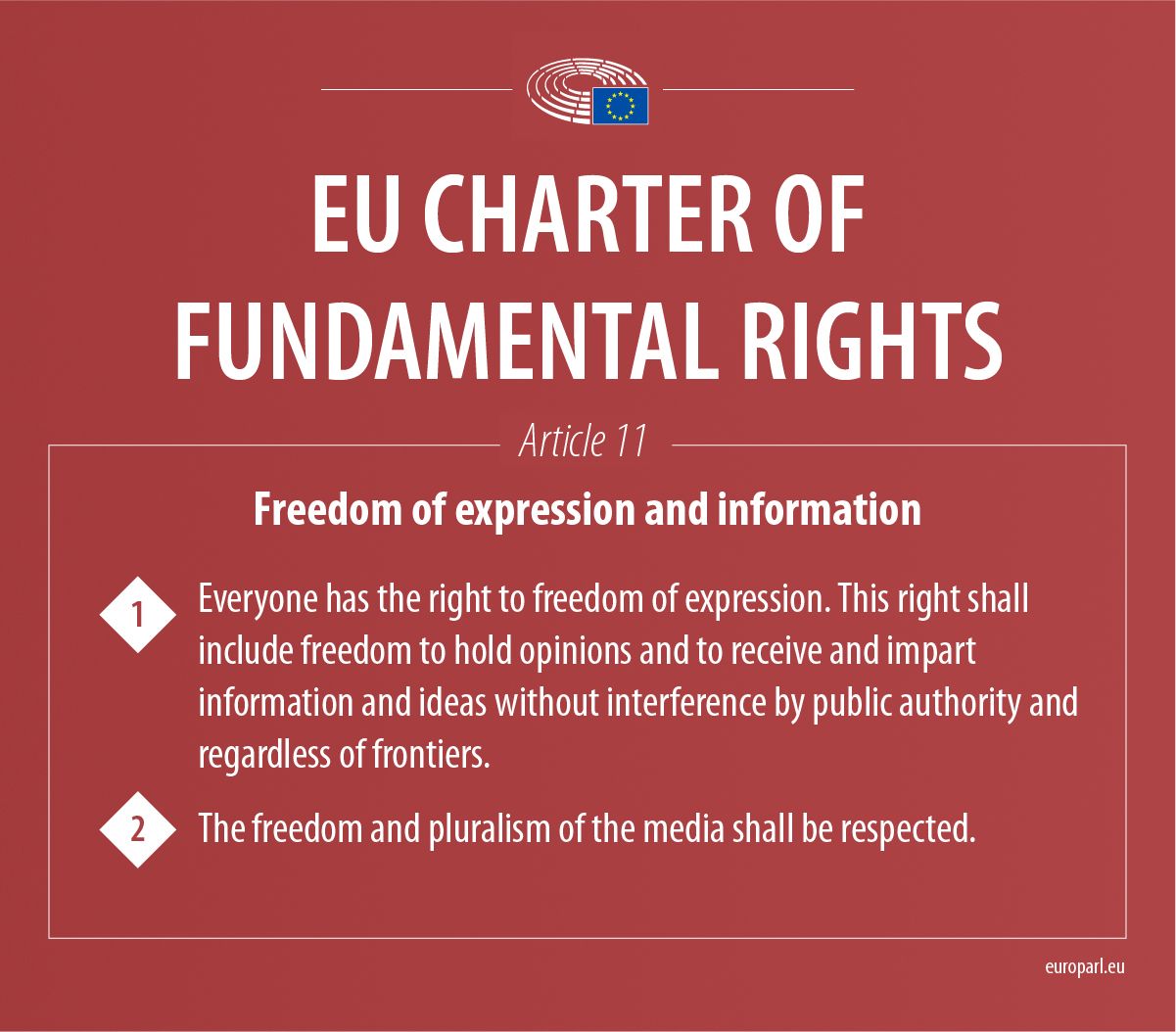
 

Press freedom 2022: how are EU countries rated?


As a staunch defender of the right to freedom of expression, the EU condemn all forms of threats and violence against journalists and support media workers in danger through local missions and via dedicated programmes, such as the Safejournalists platform in the Western Balkans, the Support to independent media and fundamental freedoms project in Cambodia and the Media Resilience programme in Afghanistan.

In parallel, the EU is taking action within the Union: countering Strategic lawsuits against public participation (SLAPP), regulating digital services and markets, and proposing an EU Media Freedom Act.

Simultaneously, we are building up critical capacity to counter foreign information manipulation and interference, and to help citizens in Europe strengthen their resilience to disinformation, manipulation and propaganda, with initiatives such as the EUvsDisinfo platform and the European Digital Media Observatory.

Defending and promoting press freedom is a universal mission that knows no borders. The EU will remain committed to engage with governments, the media and civil society, both in international fora as well as at the local level, to take initiative and strengthen press freedom around the world.


More information: European Council

Publicaciones relacionadas:

Día Internacional de la mujerInternational Women’s Day 2020: Beijing Declaration 25 years after peones de ajedrez en grupo y peón solitarioJudgment of the CJEU on homophobic discrimination in the workplace planeta mundo worldCountries led by women coped better with COVID-19 igualdad de género , UE , Europa , políticaImpact of gender quotas on EU politics and business Sexism at work: How can we stop it?

Equality,  EU News,  Institutional Affairs,  Labour Market and Employment,  Social Affairs Borrell,  journalist,  Press,  World Press Freedom Day

“This is a space for debate. All comments, for or against publication, that are respectful and do not contain expressions that are discriminatory, defamatory or contrary to current legislation will be published”.

Reader Interactions

Leave a Reply Cancel reply

Your email address will not be published. Required fields are marked *

This site uses Akismet to reduce spam. Learn how your comment data is processed.

Primary Sidebar

Footer

  • CDE Almería
  • Biblioteca Nicolás Salmerón – Universidad de Almería
  • Planta: 1ª, Despacho: 1.05.0B.
  • Ctra. Sacramento s/n. Almería (Spain)
  • Teléfono: (+34) 950 015266

HOME
NEWS
DOCUMENTATION
EUROPE ON THE NET
ABOUT US

  • LEGAL NOTICE
  • PRIVACY POLICY
  • COOKIE POLICY
  • ACCESSIBILITY
  • SITEMAP

Copyright © 2026 CDE Almería · Creative Commons LicenseThis work is licensed under a Creative Commons Attribution-NonCommercial 4.0 International License.

<p>El Centro de Documentación Europea de la Universidad de Almería utiliza cookies propias y de terceros para facilitar al usuario la navegación en su página Web y el acceso a los distintos contenidos alojados en la misma. Asimismo, se utilizan cookies analíticas de terceros para medir la interacción de los usuarios con el sitio Web. Pinche el siguiente enlace si desea información sobre el uso de cookies y como deshabilitarlas. </p>

Politica de privacidad

El Centro de Documentación Europea de la Universidad de Almería utiliza cookies propias y de terceros para facilitar al usuario la navegación en su página Web y el acceso a los distintos contenidos alojados en la misma. Asimismo, se utilizan cookies analíticas de terceros para medir la interacción de los usuarios con el sitio Web. Pinche el siguiente enlace si desea información sobre el uso de cookies y como deshabilitarlas. <a href="/politica-de-cookies" rel="noopener" target="_blank">Más información</a>

Cookies estrictamente necesarias

Las cookies estrictamente necesarias tiene que activarse siempre para que podamos guardar tus preferencias de ajustes de cookies.

Básicamente la web no funcionara bien si no las activas.

Estas cookies son:

  • Comprobación de inicio de sesión.
  • Cookies de seguridad.
  • Aceptación/rechazo previo de cookies.
Cookies de terceros

Esta web utiliza Google Analytics, Google Tag Manager y Yandex Metrika para recopilar información anónima tal como el número de visitantes del sitio, o las páginas más populares.

Dejar estas cookies activas nos permite mejorar nuestra web.

Política de cookies

Pinche el siguiente enlace si desea información sobre el uso de cookies y como deshabilitarlas. Más información