• Skip to primary navigation
  • Skip to main content
  • Skip to primary sidebar
  • Skip to footer
  • Bluesky
  • Facebook
  • Instagram
  • Twitter
  • YouTube
CDE Almería – Centro de Documentación Europea – Universidad de Almería

CDE Almería - Centro de Documentación Europea - Universidad de Almería

Centro de Documentación Europea de la Universidad de Almería

  • HOME
  • WHAT´S ON
    • EU NEWS
    • Activities
    • EU Calls and Awards
    • Radio Program «Europe with You»
  • DOCUMENTATION
    • EU Media Collection
      • Web Space
      • MEDIATHEQUE REPOSITORY
  • Europe on the net
    • Institutions
    • EU Representation in Spain
    • European information network of Andalusia
  • ABOUT US
    • Presentation
    • Services
    • People
    • Contact
  • Spanish
  • English

What are goods and services used for in the EU?

Inicio » EU News » Market » Industry » What are goods and services used for in the EU?

8 de November de 2024

In 2022, the EU produced €31 674 billion worth of goods and services, while imports from outside the EU (excluding intra-EU trade) were valued at €3 106 billion
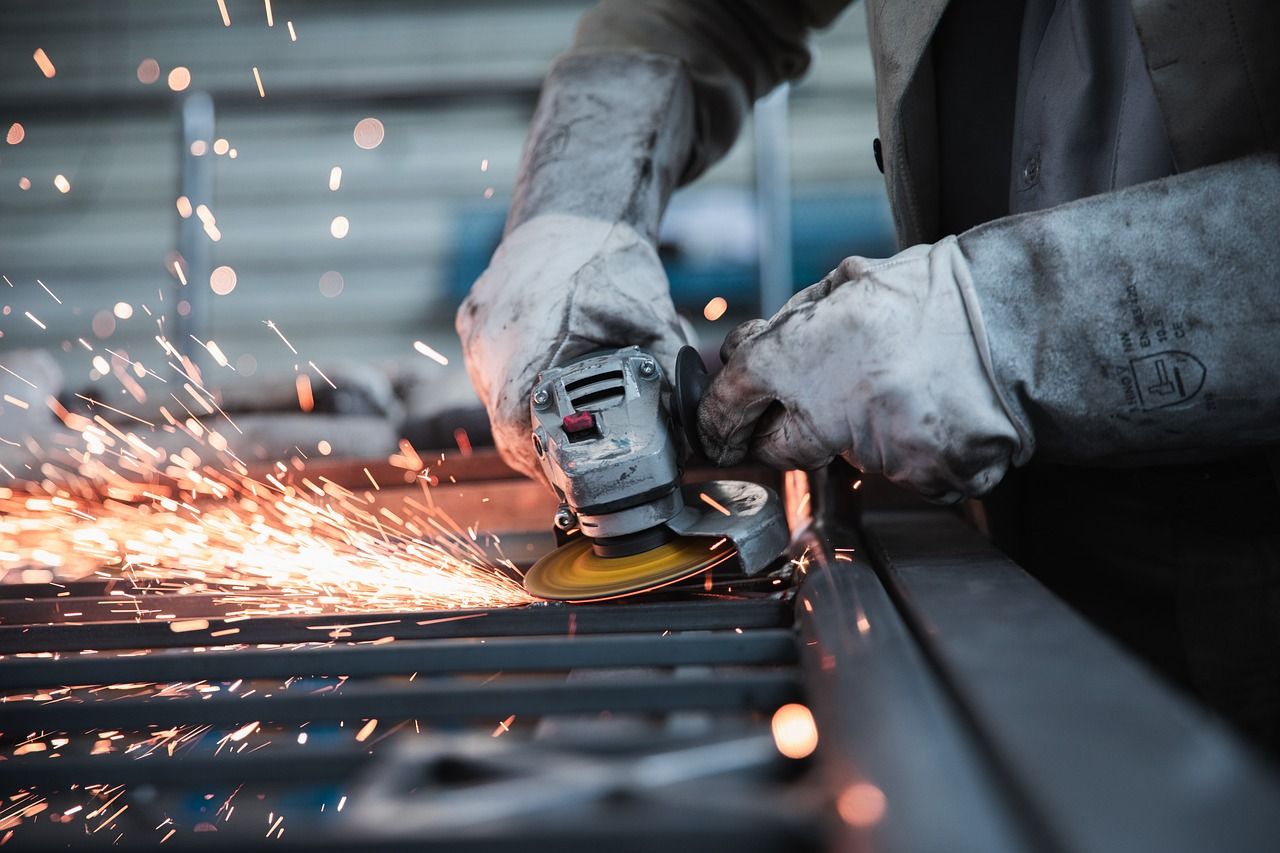
Nearly half (48.7%) of these goods and services were used for intermediate consumption, meaning they were used to make other products. Another considerable share, 31.2%, was used for final consumption, typically by householdsor the government sector.  Approximately a tenth of the supply (10.6%) was used for gross capital formation, mostly for investment, and the remaining 9.5% of the total supply for the EU was related to exportsof products (valued at €3 291 billion).

Between 2010 and 2022, the shares of these uses have mostly remained stable. Intermediate consumption reached its lowest point in 2016, and then again in 2020, when its share in total supply bottomed at 46.3%. From 2020, it started a rising trend that culminated in 2022 at 48.7%. On the other hand, the share of final consumption expenditure in total supply was highest in 2010, at 35.3%, decreasing slowly and steadily to 31.2% in 2022.

As for gross capital formation and exports, their shares of total supply increased from 9.8% and 7.8%, respectively, in 2010 to 10.6% and 9.5% in 2022, peaking at the end of the time period.

COVID-19 impact on the economy

Supply and use tables can be a valuable tool to analyse the impact of exogenous events on the economy. In particular, a comparison of 2019 and 2020 data at 2019 prices reveals the impact of COVID-19 on consumer demand in terms of change in the volume of services consumed. A good example is the supply and use volume for accommodation and food services dropping sharply between 2019 and 2020.

Household final consumption of these services fell by over 50% in Croatia, Greece and Cyprus, while Sweden registered the smallest decline (-16%) among the EU countries, followed by Romania (-21%), Finland (-22) and Poland (-23%). This trend was associated with a reduction in domestic production, intermediate consumption and value added in the accommodation and food services industry.

More information: Eurostat

Publicaciones relacionadas:

EUROPEAN AGENDA: Internal Market & Industry microchip semiconductorUpdating the 2020 Industrial Strategy The EU Emissions Trading Scheme (ETS) and its reform in brief Europe signs multimillion-dollar contract with Spanish industry to heat ITER plasma European Commission launches unannounced inspections at premises of fashion companies

EU News,  Industry craft and industrial products,  crafting,  good and services,  Industry

“This is a space for debate. All comments, for or against publication, that are respectful and do not contain expressions that are discriminatory, defamatory or contrary to current legislation will be published”.

Reader Interactions

Leave a Reply Cancel reply

Your email address will not be published. Required fields are marked *

This site uses Akismet to reduce spam. Learn how your comment data is processed.

Primary Sidebar

Footer

  • CDE Almería
  • Biblioteca Nicolás Salmerón – Universidad de Almería
  • Planta: 1ª, Despacho: 1.05.0B.
  • Ctra. Sacramento s/n. Almería (Spain)
  • Teléfono: (+34) 950 015266

HOME
NEWS
DOCUMENTATION
EUROPE ON THE NET
ABOUT US

  • LEGAL NOTICE
  • PRIVACY POLICY
  • COOKIE POLICY
  • ACCESSIBILITY
  • SITEMAP

Copyright © 2026 CDE Almería · Creative Commons LicenseThis work is licensed under a Creative Commons Attribution-NonCommercial 4.0 International License.

<p>El Centro de Documentación Europea de la Universidad de Almería utiliza cookies propias y de terceros para facilitar al usuario la navegación en su página Web y el acceso a los distintos contenidos alojados en la misma. Asimismo, se utilizan cookies analíticas de terceros para medir la interacción de los usuarios con el sitio Web. Pinche el siguiente enlace si desea información sobre el uso de cookies y como deshabilitarlas. </p>

Politica de privacidad

El Centro de Documentación Europea de la Universidad de Almería utiliza cookies propias y de terceros para facilitar al usuario la navegación en su página Web y el acceso a los distintos contenidos alojados en la misma. Asimismo, se utilizan cookies analíticas de terceros para medir la interacción de los usuarios con el sitio Web. Pinche el siguiente enlace si desea información sobre el uso de cookies y como deshabilitarlas. <a href="/politica-de-cookies" rel="noopener" target="_blank">Más información</a>

Cookies estrictamente necesarias

Las cookies estrictamente necesarias tiene que activarse siempre para que podamos guardar tus preferencias de ajustes de cookies.

Básicamente la web no funcionara bien si no las activas.

Estas cookies son:

  • Comprobación de inicio de sesión.
  • Cookies de seguridad.
  • Aceptación/rechazo previo de cookies.
Cookies de terceros

Esta web utiliza Google Analytics, Google Tag Manager y Yandex Metrika para recopilar información anónima tal como el número de visitantes del sitio, o las páginas más populares.

Dejar estas cookies activas nos permite mejorar nuestra web.

Política de cookies

Pinche el siguiente enlace si desea información sobre el uso de cookies y como deshabilitarlas. Más información