• Skip to primary navigation
  • Skip to main content
  • Skip to primary sidebar
  • Skip to footer
  • Bluesky
  • Facebook
  • Instagram
  • Twitter
  • YouTube
CDE Almería – Centro de Documentación Europea – Universidad de Almería

CDE Almería - Centro de Documentación Europea - Universidad de Almería

Centro de Documentación Europea de la Universidad de Almería

  • HOME
  • WHAT´S ON
    • EU NEWS
    • Activities
    • EU Calls and Awards
    • Radio Program «Europe with You»
  • DOCUMENTATION
    • EU Media Collection
      • Web Space
      • MEDIATHEQUE REPOSITORY
  • Europe on the net
    • Institutions
    • EU Representation in Spain
    • European information network of Andalusia
  • ABOUT US
    • Presentation
    • Services
    • People
    • Contact
  • Spanish
  • English

The European Commission recommends that Member States continue to save gas in order to secure supply and stabilise markets

Inicio » Noticias UE » Medio Ambiente » Energy » The European Commission recommends that Member States continue to save gas in order to secure supply and stabilise markets

1 de March de 2024

Gas savings by businesses and citizens across the EU have made an important contribution to tackling the energy crisis, spurred by Russia’s invasion of Ukraine two years ago. Collectively, the EU reduced gas demand by 18% between August 2022 and December 2023, saving around 101 billion cubic metres of gas. 
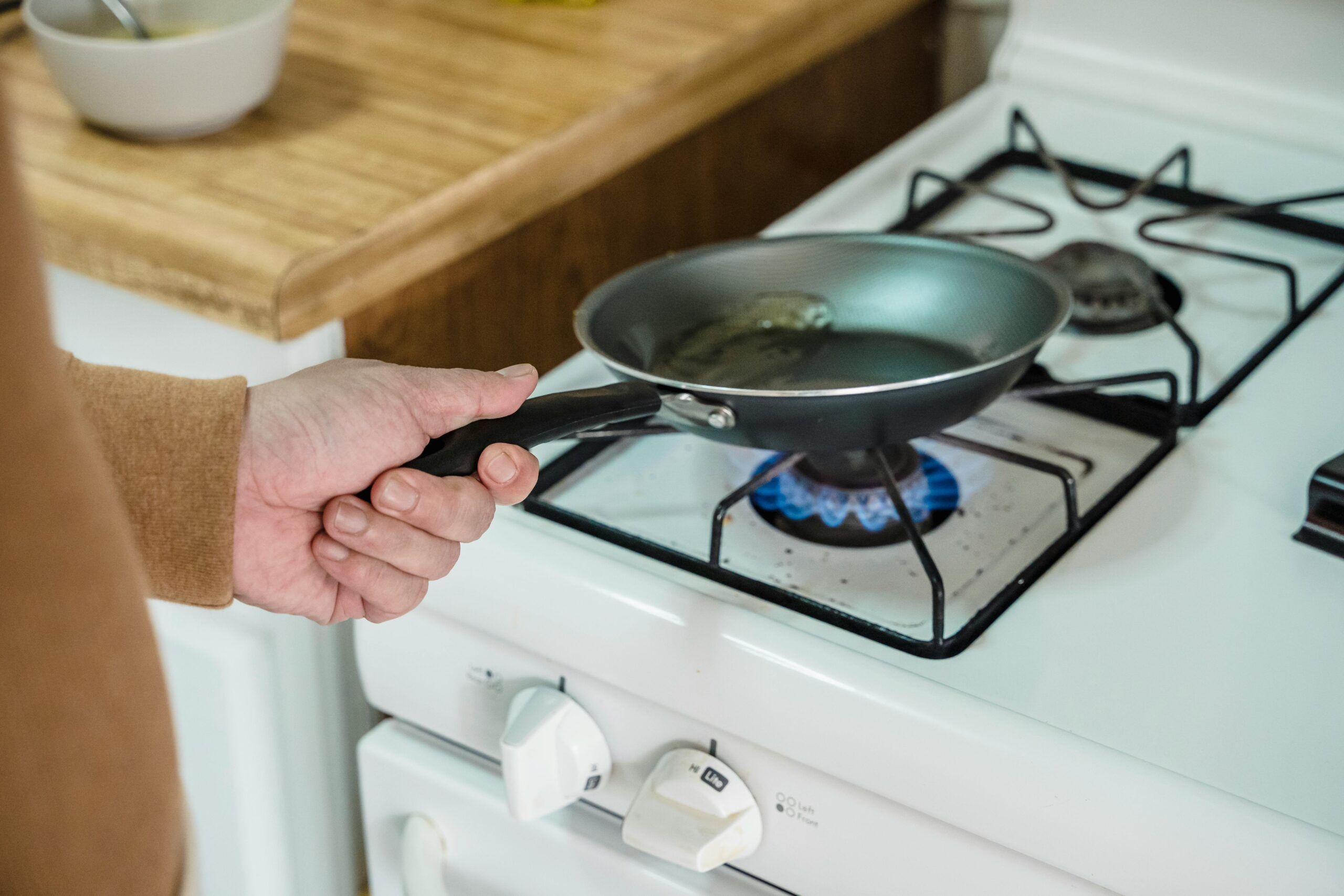
These efforts go above and beyond the 15% savings target which was agreed under emergency legislation adopted in Summer 2022, and were essential to preserve stable supplies, stabilise energy markets in the EU, and show solidarity with Ukraine.

With the emergency legislation due to expire on 31 March, and the situation more stable than it has been for the past two years, the Commission is now proposing the adoption of a Council Recommendation on continued gas demand reduction measures. This Recommendation, which would need to be adopted by the Council, encourages the Member States to continue taking voluntary measures to maintain a collective 15% gas demand reduction, compared to the average demand between April 2017 and March 2022.  The proposal will be discussed by Commissioner for Energy Kadri Simson and EU Energy Ministers at the Energy Council on Monday, 4 March.

Thanks to the wide range of emergency measures put in place since Russia’s invasion of Ukraine, the EU’s energy outlook has improved: supplies are more diversified, more renewable energy capacity has been installed, and impressive energy savings have been made, with gas storages now at a healthier level. This has served to lower and stabilise prices across Europe. Still, given the persistence of geopolitical tensions, tight global gas markets and the EU’s objective to completely get rid of Russian fossil fuels, continued energy savings are still necessary. Continued gas savings will help sustain and improve the current market stability, including by facilitating the refilling of gas storage in Spring and Summer. They would also support the EU’s decarbonisation efforts.

The Recommendation is based on the findings of a report reviewing the Gas Demand Reduction Regulation  and the second report on the EU’s Gas Storage Regulation. On top of guaranteeing security of supply, both measures have contributed to stabilising energy prices, benefitting the competitiveness of the EU economy and reducing bills for citizens from the peaks seen in August 2022 after the Russian invasion. 
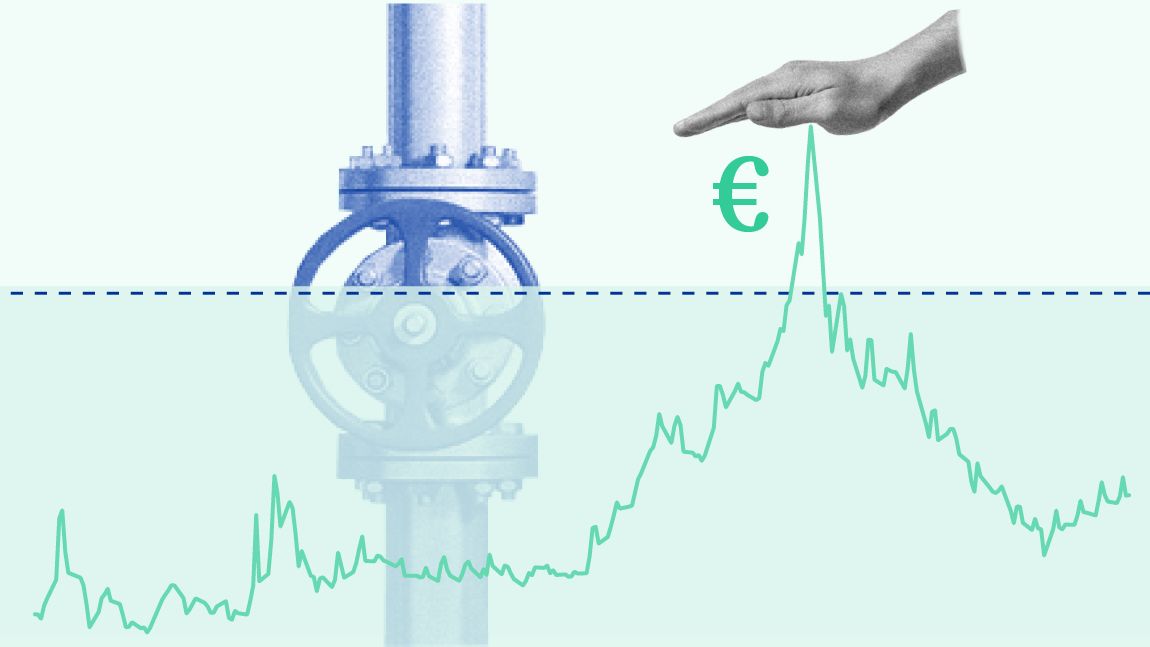
Council agrees on mechanism to limit excessive gas prices

Background

As one of the responses to the security of supply risks posed by Russia’s weaponisation of its fossil fuel exports, the EU introduced the Gas Storage Regulation in June 2022 and the Gas Demand Reduction Regulation in August 2022. Both instruments are key components of REPowerEU, the EU’s plan to get rid of Russian fossil fuels through an accelerated deployment of renewables, stronger energy efficiency measures and diversification of energy supplies.

The Gas Storage Regulation required Member States to fill underground gas storage facilities to 90% capacity by 1 November 2023 in order to be prepared for the winter season. The EU achieved that target already in August and storage was at 99% by November.

The Gas Demand Reduction Regulation required Member States to reduce gas demand by 15% in a coordinated manner, with the target becoming mandatory in case an EU alert would have been declared by the Council following a Commission proposal. Between August 2022 and December 2023, the EU overachieved its target, maintaining a reduction of 18%. As an emergency piece of legislation, the Gas Demand Reduction Regulation was extended in March last year until the end of March 2024.

More information: European Commission
Publicaciones relacionadas:

REPowerEU: Joint European action for more affordable, secure and sustainable energy Commission aid to Spain for energy consumption Council adopts regulation on gas storage Council agrees on higher targets for renewables and energy efficiency MEPs back boost for renewables use and energy savings

Energy,  Environmental Affairs,  EU News comisión,  commission,  energy savings,  gas demand,  member states,  saving gas,  secure supplies,  stabilise markets

“This is a space for debate. All comments, for or against publication, that are respectful and do not contain expressions that are discriminatory, defamatory or contrary to current legislation will be published”.

Reader Interactions

Leave a Reply Cancel reply

Your email address will not be published. Required fields are marked *

This site uses Akismet to reduce spam. Learn how your comment data is processed.

Primary Sidebar

Footer

  • CDE Almería
  • Biblioteca Nicolás Salmerón – Universidad de Almería
  • Planta: 1ª, Despacho: 1.05.0B.
  • Ctra. Sacramento s/n. Almería (Spain)
  • Teléfono: (+34) 950 015266

HOME
NEWS
DOCUMENTATION
EUROPE ON THE NET
ABOUT US

  • LEGAL NOTICE
  • PRIVACY POLICY
  • COOKIE POLICY
  • ACCESSIBILITY
  • SITEMAP

Copyright © 2026 CDE Almería · Creative Commons LicenseThis work is licensed under a Creative Commons Attribution-NonCommercial 4.0 International License.

<p>El Centro de Documentación Europea de la Universidad de Almería utiliza cookies propias y de terceros para facilitar al usuario la navegación en su página Web y el acceso a los distintos contenidos alojados en la misma. Asimismo, se utilizan cookies analíticas de terceros para medir la interacción de los usuarios con el sitio Web. Pinche el siguiente enlace si desea información sobre el uso de cookies y como deshabilitarlas. </p>

Politica de privacidad

El Centro de Documentación Europea de la Universidad de Almería utiliza cookies propias y de terceros para facilitar al usuario la navegación en su página Web y el acceso a los distintos contenidos alojados en la misma. Asimismo, se utilizan cookies analíticas de terceros para medir la interacción de los usuarios con el sitio Web. Pinche el siguiente enlace si desea información sobre el uso de cookies y como deshabilitarlas. <a href="/politica-de-cookies" rel="noopener" target="_blank">Más información</a>

Cookies estrictamente necesarias

Las cookies estrictamente necesarias tiene que activarse siempre para que podamos guardar tus preferencias de ajustes de cookies.

Básicamente la web no funcionara bien si no las activas.

Estas cookies son:

  • Comprobación de inicio de sesión.
  • Cookies de seguridad.
  • Aceptación/rechazo previo de cookies.
Cookies de terceros

Esta web utiliza Google Analytics, Google Tag Manager y Yandex Metrika para recopilar información anónima tal como el número de visitantes del sitio, o las páginas más populares.

Dejar estas cookies activas nos permite mejorar nuestra web.

Política de cookies

Pinche el siguiente enlace si desea información sobre el uso de cookies y como deshabilitarlas. Más información