• Skip to primary navigation
  • Skip to main content
  • Skip to primary sidebar
  • Skip to footer
  • Bluesky
  • Facebook
  • Instagram
  • Twitter
  • YouTube
CDE Almería – Centro de Documentación Europea – Universidad de Almería

CDE Almería - Centro de Documentación Europea - Universidad de Almería

Centro de Documentación Europea de la Universidad de Almería

  • HOME
  • WHAT´S ON
    • EU NEWS
    • Activities
    • EU Calls and Awards
    • Radio Program «Europe with You»
  • DOCUMENTATION
    • EU Media Collection
      • Web Space
      • MEDIATHEQUE REPOSITORY
  • Europe on the net
    • Institutions
    • EU Representation in Spain
    • European information network of Andalusia
  • ABOUT US
    • Presentation
    • Services
    • People
    • Contact
  • Spanish
  • English

The EU supports development of new emergency shelter stocks with 116 million euros

Inicio » Noticias UE » Mercado » Economy and Finance » The EU supports development of new emergency shelter stocks with 116 million euros

10 de April de 2023

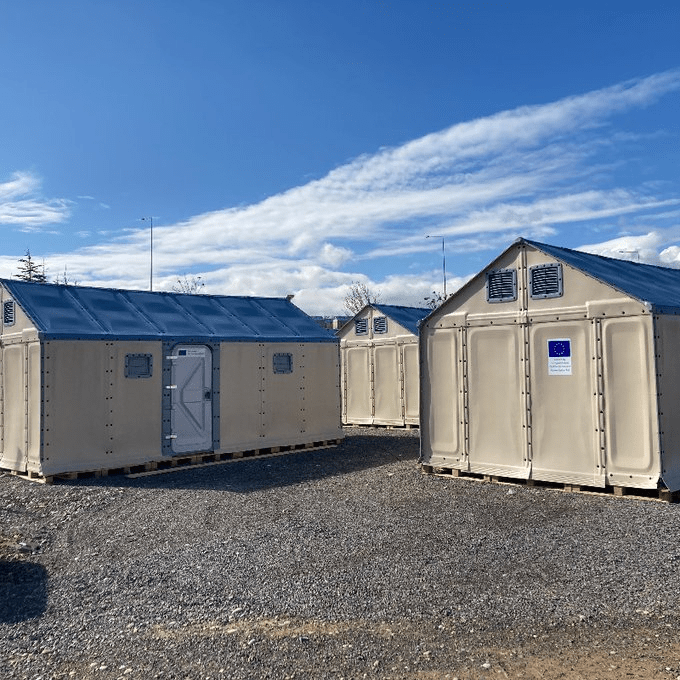
To strengthen emergency response even further, the EU is establishing its own shelter reserves, which can be used in the event of a crisis or catastrophe that overwhelms national response capacities. The EU is allocating €116.6 million to Croatia, Poland, Slovenia, Spain, Sweden, and Turkey on 4th March to acquire and host new rescEU shelter reserves capable of housing thousands of people.

These reserves will be made up of high-quality emergency shelter modules like light prefabricated structures, flat-pack containers, and emergency tents. Showers and toilets, industrial kitchens, laundry, and communal areas will supplement the living units, with special attention given to safe spaces for children and the most vulnerable. The reserves were created to provide a high level of comfort in an emergency while assuring rapid deployment. Furthermore, 20% of the units and communal areas have been built for people with mobility issues or disabilities, ensuring accessibility for all.

The reserves ensure lower environmental impacts at all stages of the project. This is the case within the manufacturing process (reducing waste, minimising transport with components produced in Europe and choosing recycled or reusable materials) and  deployment (with innovative designs that minimise cargo volume and with a geographical repartition that will minimise travel distances). Environmental aspects are also embraced when it comes to the use of the shelter units (with water purification and atmospheric caption systems to reduce the usage of bottled water, solar panels and efficient generators in case electricity is not available, and recycling facilities).

The first shelter units will be available within the next year to support EU Member States or Participating States of the EU Civil Protection Mechanism in case of a need to rapidly host high numbers of people.
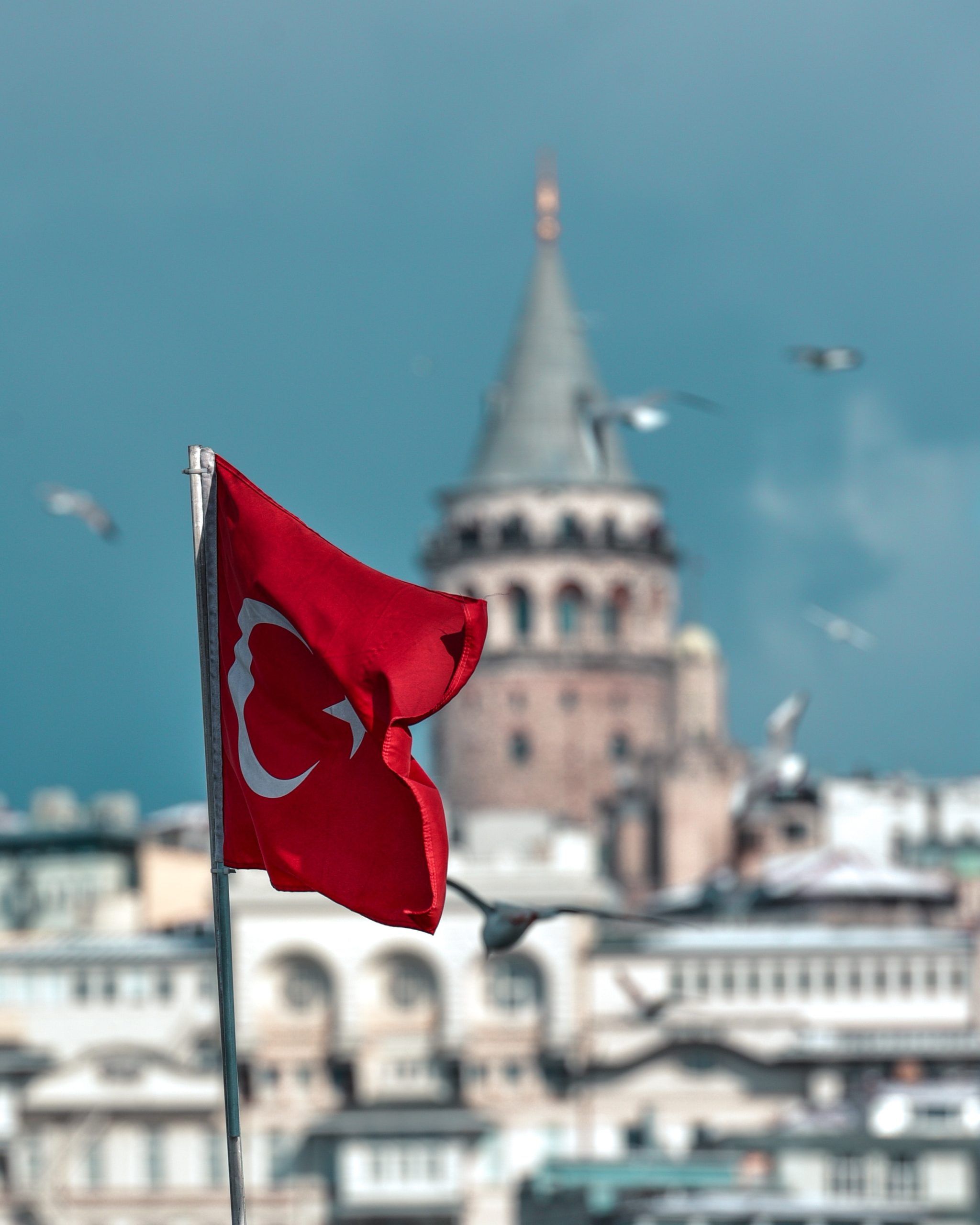
EU and international donors to donate 7 billion euros to help people in Turkey and Syria following devastating earthquakes

Background

The rescEU emergency shelter reserve includes temporary sleeping units, showers, toilets, basic toiletry kits, and communal spaces for gathering or eating. The Commission has also procured thousands of beds that can be used in temporary accommodation centres to welcome refugees or internally displaced persons. This new reserve comes in addition to the previously allocated €62.3 million for emergency shelter and a stock of beds to be used for the Ukraine crisis in emergency reception centres. From this initial rescEU reserve, 3,000 equipped relief housing units and almost 5,000 additional beds were deployed to Ukraine and neighbouring countries such as Slovakia. Furthermore, 500 units and 2,000 emergency tents were sent to Türkiye following the earthquakes. These emergency units have the capacity to host up to 25,000 people and are also being used as day centres or ‘‘heating points”, where affected population can receive information, get a warm drink while charging their phones, or children can safely play.

Following the activation of the EU Civil Protection Mechanism, rescEU provides an extra layer of protection and ensures a faster and more comprehensive response to disasters. The rescEU reserve is 100% EU-financed and the European Commission maintains, in close cooperation with the country hosting the reserve, control of their operation. In an emergency, the rescEU reserve provides assistance to all EU Member States, Participating States to the Mechanism and can also be deployed to EU neighbouring countries.

More information

European Commission

Publicaciones relacionadas:

Will the Spanish economy be boosted after Covid-19? Benefits and dangers of cryptocurrencies from new EU legislation bandera españaCommission endorses Spain’s second payment request Agreement reached on European crypto-assets regulation (MiCA) Summer 2022 Economic Forecast: Russia’s war worsens the outlook

Economy and Finance,  EU News,  Market Economy,  emergency,  EU,  shelter

“This is a space for debate. All comments, for or against publication, that are respectful and do not contain expressions that are discriminatory, defamatory or contrary to current legislation will be published”.

Reader Interactions

Leave a Reply Cancel reply

Your email address will not be published. Required fields are marked *

This site uses Akismet to reduce spam. Learn how your comment data is processed.

Primary Sidebar

Footer

  • CDE Almería
  • Biblioteca Nicolás Salmerón – Universidad de Almería
  • Planta: 1ª, Despacho: 1.05.0B.
  • Ctra. Sacramento s/n. Almería (Spain)
  • Teléfono: (+34) 950 015266

HOME
NEWS
DOCUMENTATION
EUROPE ON THE NET
ABOUT US

  • LEGAL NOTICE
  • PRIVACY POLICY
  • COOKIE POLICY
  • ACCESSIBILITY
  • SITEMAP

Copyright © 2026 CDE Almería · Creative Commons LicenseThis work is licensed under a Creative Commons Attribution-NonCommercial 4.0 International License.

<p>El Centro de Documentación Europea de la Universidad de Almería utiliza cookies propias y de terceros para facilitar al usuario la navegación en su página Web y el acceso a los distintos contenidos alojados en la misma. Asimismo, se utilizan cookies analíticas de terceros para medir la interacción de los usuarios con el sitio Web. Pinche el siguiente enlace si desea información sobre el uso de cookies y como deshabilitarlas. </p>

Politica de privacidad

El Centro de Documentación Europea de la Universidad de Almería utiliza cookies propias y de terceros para facilitar al usuario la navegación en su página Web y el acceso a los distintos contenidos alojados en la misma. Asimismo, se utilizan cookies analíticas de terceros para medir la interacción de los usuarios con el sitio Web. Pinche el siguiente enlace si desea información sobre el uso de cookies y como deshabilitarlas. <a href="/politica-de-cookies" rel="noopener" target="_blank">Más información</a>

Cookies estrictamente necesarias

Las cookies estrictamente necesarias tiene que activarse siempre para que podamos guardar tus preferencias de ajustes de cookies.

Básicamente la web no funcionara bien si no las activas.

Estas cookies son:

  • Comprobación de inicio de sesión.
  • Cookies de seguridad.
  • Aceptación/rechazo previo de cookies.
Cookies de terceros

Esta web utiliza Google Analytics, Google Tag Manager y Yandex Metrika para recopilar información anónima tal como el número de visitantes del sitio, o las páginas más populares.

Dejar estas cookies activas nos permite mejorar nuestra web.

Política de cookies

Pinche el siguiente enlace si desea información sobre el uso de cookies y como deshabilitarlas. Más información