
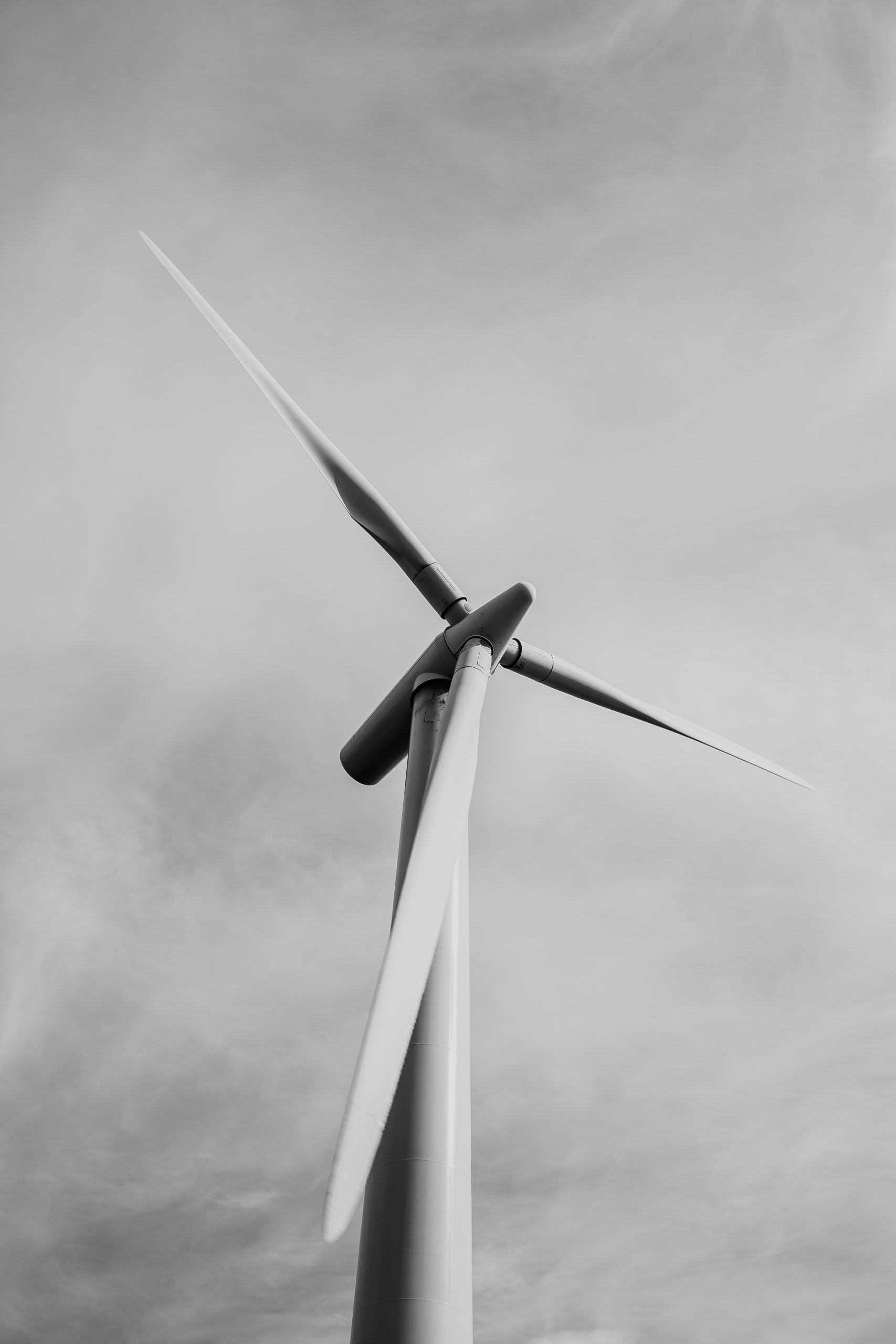
The Council and the Parliament negotiators today reached a provisional political agreement to raise the share of renewable energy in the EU’s overall energy consumption to 42.5% by 2030 with an additional 2.5% indicative top up that would allow to reach 45%. Each member state will contribute to this common target. This provisional political agreement will now need to be endorsed by both institutions.
The Council and Parliament negotiators provisionally agreed on more ambitious sector-specific targets in transport, industry, buildings and district heating and cooling. The purpose of the sub-targets is to speed-up the integration of renewables in sectors where incorporation has been slower.
Transport
The provisional agreement gives the possibility for member states to choose between:
- a binding target of 14.5% reduction of greenhouse gas intensity in transport from the use of renewables by 2030
- or a binding target of at least 29% share of renewables within the final consumption of energy in the transport sector by 2030
The provisional agreement sets a binding combined sub-target of 5.5% for advanced biofuels (generally derived from non-food-based feedstocks) and renewable fuels of non-biological origin (mostly renewable hydrogen and hydrogen-based synthetic fuels) in the share of renewable energies supplied to the transport sector. Within this target, there is a minimum requirement of 1% of renewable fuels of non-biological origin (RFNBOs) in the share of renewable energies supplied to the transport sector in 2030.

Electricity from renewable sources increased by 5% in the EU in 2021 |
Industry
The provisional agreement provides that industry would increase their use of renewable energy annually by 1.6%. They agreed that 42% of the hydrogen used in industry should come from renewable fuels of non-biological origin (RFNBOs) by 2030 and 60% by 2035.
The agreement introduces the possibility for member states to discount the contribution of RFNBOs in industry use by 20% under two conditions:
- if the member states’ national contribution to the binding overall EU target meets their expected contribution
- the share of hydrogen from fossil fuels consumed in the member state is not more 23% in 2030 and 20% in 2035
Buildings, heating and cooling
The provisional agreement sets an indicative target of at least a 49% renewable energy share in buildings in 2030.
It provides for a gradual increase in renewable targets for heating and cooling, with a binding increase of 0.8% per year at national level until 2026 and 1.1% from 2026 to 2030. The minimum annual average rate applicable to all member states is complemented with additional indicative increases calculated specifically for each member state.
Bioenergy
The provisional agreement strengthens the sustainability criteria for biomass use for energy, in order to reduce the risk of unsustainable bioenergy production. It ensures the application of the cascading principle, with a focus on support schemes and with due regard to national specificities.
Faster permits for projects
The provisional agreement includes accelerated permitting procedures for renewable energy projects. The purpose is to fast-track the deployment of renewable energies in the context of the EU’s REPowerEU plan to become independent from Russian fossil fuels, after Russia’s invasion of Ukraine.
Member states will design renewables acceleration areas where renewable energy projects would undergo simplified and fast permit-granting process. Renewable energy deployment will also be presumed to be of ‘overriding public interest’, which would limit the grounds of legal objections to new installations.
Next steps
The provisional political agreement reached today will first be submitted to the EU member states’ representatives in the Committee of Permanent Representatives in the Council and then in the Parliament for approval.
The directive will then need to be formally adopted by the Parliament and then the Council, before being published in the EU’s Official Journal and enter into force.
More information
Publicaciones relacionadas:
 Support for Ukraine and the energy situation in Europe
 Council agrees on emergency measures to reduce energy prices
 European Council conclusions on energy and economy, 20 October 2022
 Council of the European Union agrees on stricter standards for energy efficiency of buildings
 Batteries: deal on new EU rules for design, production and waste treatment
Leave a Reply