
Ahead of the International Day of Education on 24 January, the European Commission and the High Representative/Vice-President Josep Borrell made the following statement:
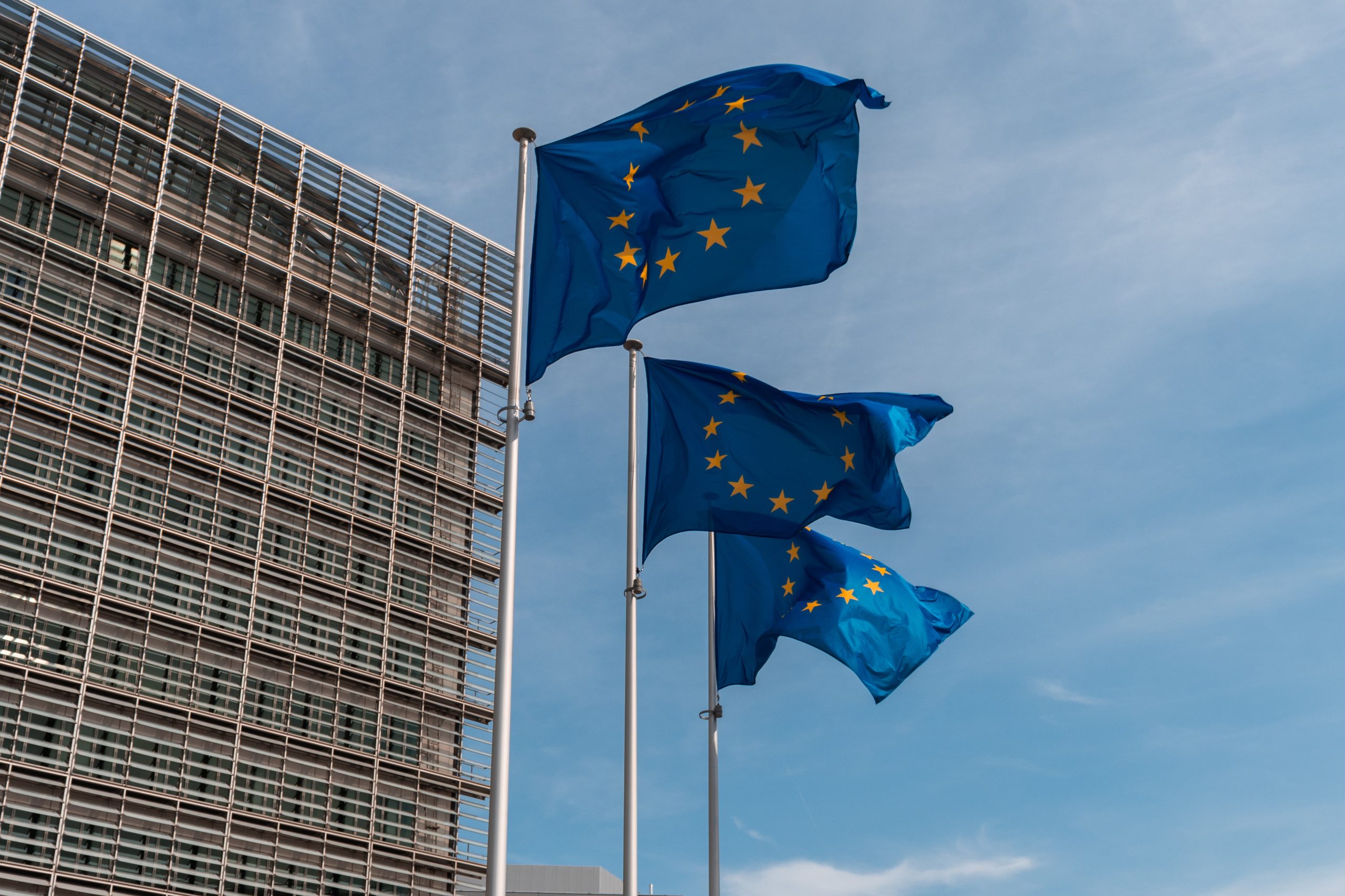
“Education and lifelong learning are essential to achieve a just and sustainable development, and tackle inequalities, through dialogue, solidarity, mutual understanding and cooperation, inclusive, democratic and participatory governance, and gender equality. At the same time, they are key to protecting, sustaining and building peace.
Education enables individuals and societies to survive and thrive and be prepared for the challenges and opportunities of the 21st century. Together with arts and culture, it broadens horizons, allowing people, in particular youth, to imagine, advocate for, and build different futures. Education also plays a key role in building and strengthening people-to-people ties and networks, and brings hope and protection to those affected by humanitarian crises and forced displacement.
We will notably continue working so that every child and young person can access education, no matter who they are or where they live, building on the commitments of the 2022 European Year of Youth. The EU also promotes a lifelong learning approach for all, in line with the 2023 European Year of Skills.
The positive effects of education can only be maximised through equity and inclusion in well-resourced education systems that are fit for the future, allowing everyone to fulfil their potential.
Inside the EU, we continue to build the European Education Area as our long-term, shared vision for the education and training sector. Bringing together the 27 Member States, it aims for more resilient, inclusive and future-looking education and training systems for all, in a lifelong learning perspective.
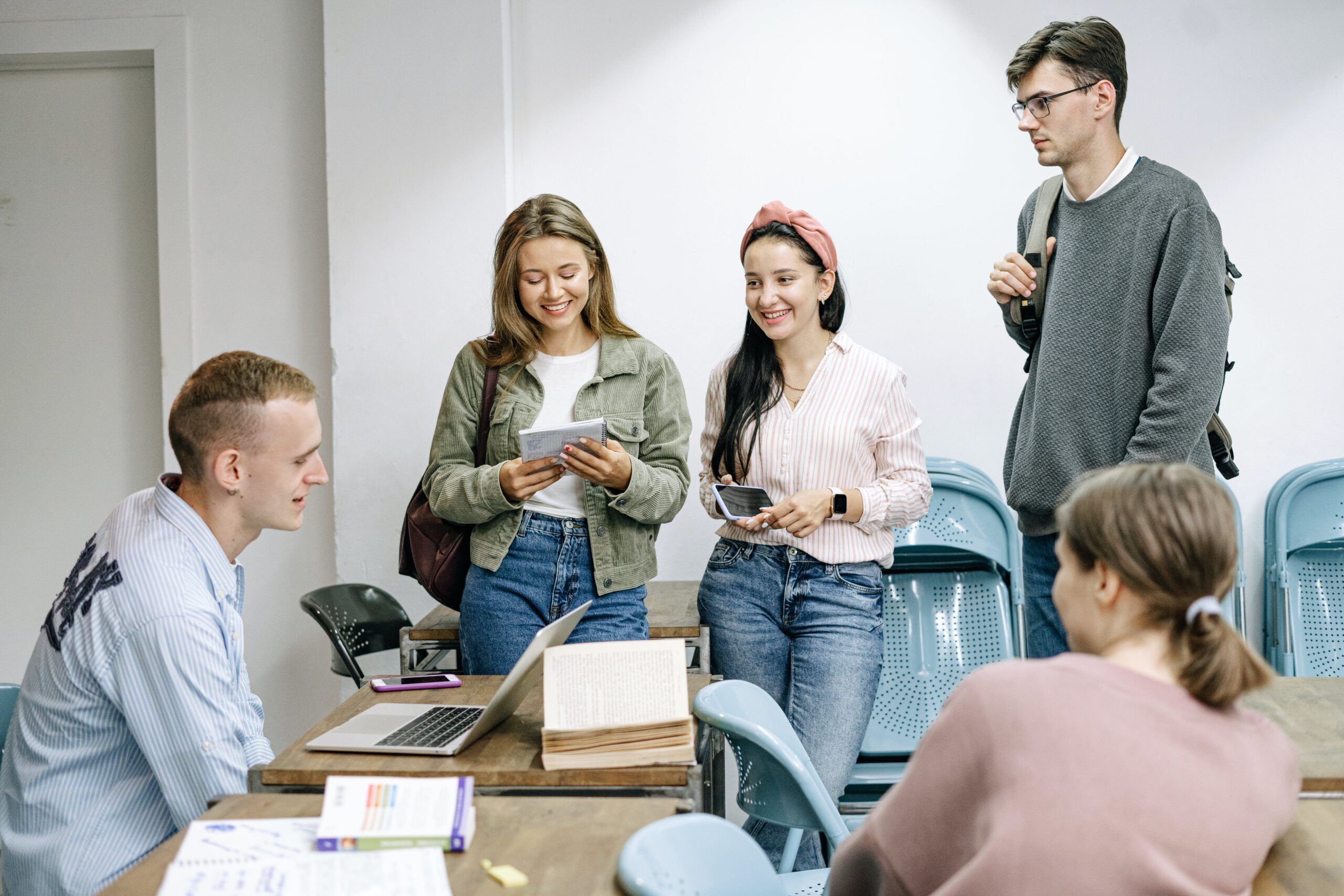
A more digital and greener education thanks to the European Student Card |
As a Global Champion of Education Transformation, the EU is also committed to achieving Sustainable Development Goal 4 – Quality Education at the global level. As part of Global Gateway, and in line with the Youth Action Plan in EU external action, the EU has increased its funding to education from 7% to at least 10%, through bilateral and regional programmes as well as global initiatives such as the Global Partnership for Education.
Background
Access to education is a fundamental human right. Yet, worldwide, more than 250 million children and youth are out of school, and the majority of those in school are not acquiring basic skills such as reading and writing. An additional 44 million qualified teachers are needed to achieve universal primary and secondary education by 2030.
It is crucial to invest in making education systems fit for the future and in recovering learning losses, in line with commitments made at the UN Transforming Education Summit in 2022.
The EU has increased its external investments in education and remains ready to closely cooperate with partner countries as they deliver on their commitments. The EU institutions and Member States together contribute more than half of all aid to education worldwide, supporting the education sector in more than 100 countries.
During the period 2021–2027, the European Commission will dedicate at least 10% of its international partnerships budget with Africa, Latin America and the Caribbean and Asia and the Pacific to education. The focus is on quality teachers, 21st century life and work skills, inclusive and equitable education systems ready to support the digital and green transitions, opportunity-driven vocational education and training, and higher education and mobility. Under Global Gateway, initiatives such as the Regional Teachers Initiative for Africa and Youth Mobility for Africa, and programmes like Erasmus+, are a key instrument to achieve these objectives.
The EU remains at the forefront of the international mobilisation for education in emergencies, with 10% of its humanitarian aid budget dedicated to education in fragile settings and supporting safe, inclusive and quality education for millions of children affected by humanitarian crises and conflicts. In 2023 alone, this support amounted to over €162 million.
Education is key for the economic and social development of our partners bordering the EU, and strengthening ties with the EU, especially for those countries that are in an EU enlargement context. The EU will therefore continue to engage, as a priority, with the Western Balkans, Türkiye and the Neighbourhood regions to strengthen education systems, addressing skills mismatch with the labour market and enhancing joint cooperation with education institutions including mobility of students and teachers.
For More Information
Publicaciones relacionadas:
 Commission steps up action to promote digital literacy among young people
 Be part of the European Digital Education Hub
 Erasmus+: 44 European Universities to cooperate across borders and disciplines
 European Commission adopts its Report on progress towards the European Education Area
 New international project to combat antisemitism through education
Leave a Reply