• Skip to primary navigation
  • Skip to main content
  • Skip to primary sidebar
  • Skip to footer
  • Bluesky
  • Facebook
  • Instagram
  • Twitter
  • YouTube
CDE Almería – Centro de Documentación Europea – Universidad de Almería

CDE Almería - Centro de Documentación Europea - Universidad de Almería

Centro de Documentación Europea de la Universidad de Almería

  • HOME
  • WHAT´S ON
    • EU NEWS
    • Activities
    • EU Calls and Awards
    • Radio Program «Europe with You»
  • DOCUMENTATION
    • EU Media Collection
      • Web Space
      • MEDIATHEQUE REPOSITORY
  • Europe on the net
    • Institutions
    • EU Representation in Spain
    • European information network of Andalusia
  • ABOUT US
    • Presentation
    • Services
    • People
    • Contact
  • Spanish
  • English

Solar irrigation: efficient green energy for the future of agriculture

Inicio » Noticias UE » Medio Ambiente » Energy » Solar irrigation: efficient green energy for the future of agriculture

14 de March de 2024

When it comes to sustainable agriculture, energy-efficient solutions play a fundamental role. In this quest for sustainability, the emergence of solar irrigation (SI) is proving to be a game changer.
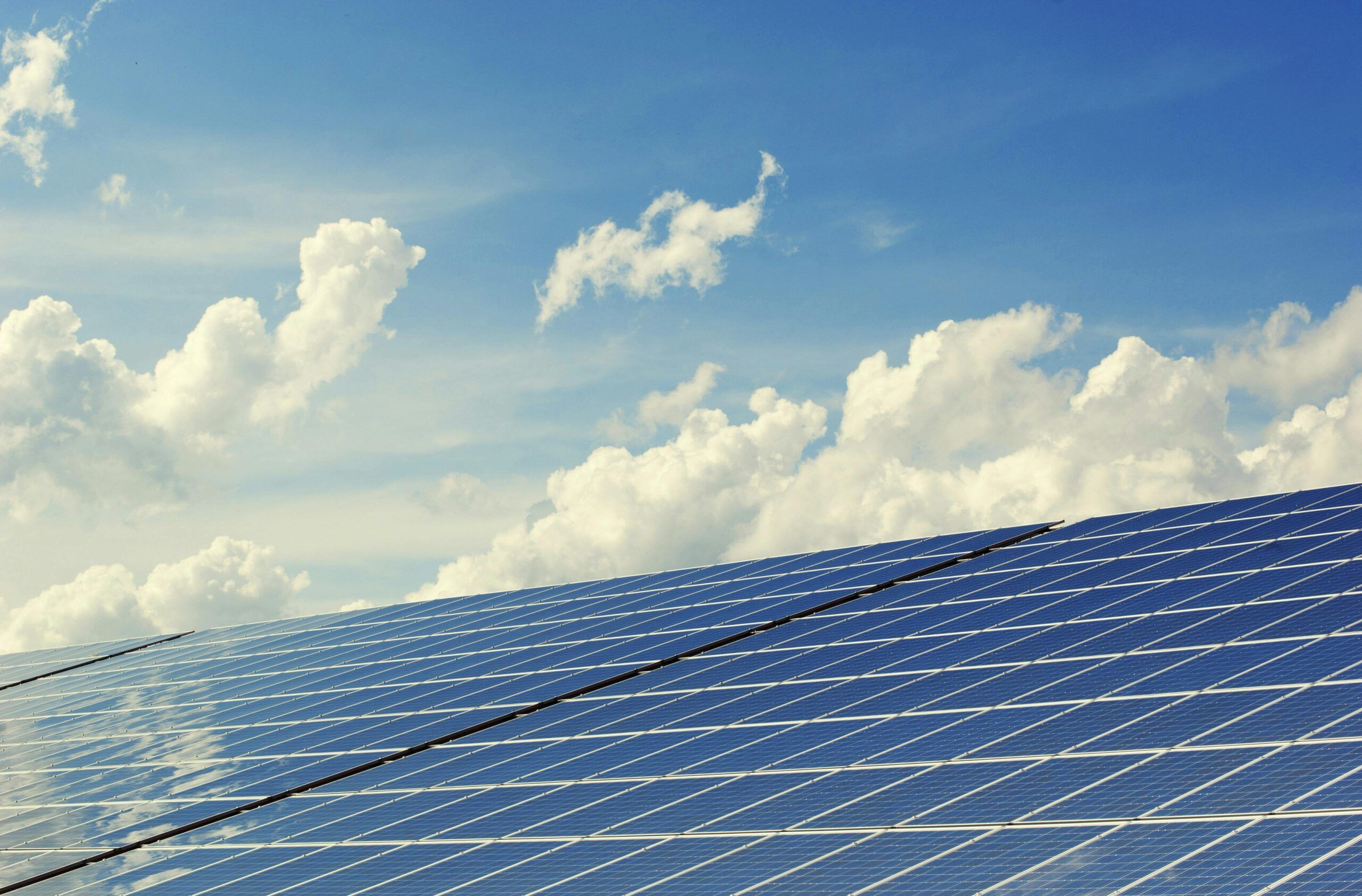
The EU-funded SolAqua project, which concluded in September 2023, has made huge advances in overcoming barriers to the market uptake of SI in Europe and beyond.

SolAqua’s primary goal was to facilitate the adoption of SI, a technology that combines photovoltaic and hydraulic systems to deliver zero-emission energy for crop irrigation. This innovation not only significantly reduces environmental impact but also offers a cost-effective alternative. According to SolAqua project coordinator Luis Narvarte Fernandez, it can save up to 30 % on water consumption and up to 60 % on electricity costs, compared to traditional fossil fuel-based solutions.

Narvarte also sheds light on some of the challenges faced – like the high initial investment required for adopting high-power photovoltaic irrigation systems (PVIS). This is a big barrier to implementing these systems and is why the project also focused on creating conditions for a mature PVIS market. The key strategy was to develop a financing model that negates the initial investment burden on irrigators, making PVIS more accessible.

The innovative financing model introduced by SolAqua involves investors owning PVIS and entering into long-term contracts with irrigators for electricity sales at a fixed, reduced price. While this model presented a challenge due to its novelty, the advantages for irrigators played a crucial role in overcoming resistance.

The perks of being solar

SolAqua’s impact has been substantial, primarily driven by the implementation and dissemination of key enabling materials and tools. These include technical guides on PVIS, tools for economic and environmental assessment, a financing model based on power purchase agreement (PPA) contracts and a European Agricultural Fund for Rural Development (EAFRD) financial instrument to support the financing model.

“For example, within the framework of SolAqua, the largest PV irrigation systems in the world have been implemented in Huesca, Spain, with 1.5 MW under a PPA model with a single private investor,” says Narvarte. Furthermore, the EAFRD financial instrument developed by SolAqua found implementation in two European Managing Authorities, with a total budget of EUR 16 million.

Spreading the sun word

Dissemination and communication also played a pivotal role in attracting stakeholders. The project targeted so-called ‘ISINPA’: Irrigators, SMEs installing PVIS, investors, and public authorities. More than 1.2 million irrigators, 257 European SMEs, and 82 investors were reached, creating significant interest and commitment to SI and the SolAqua initiative. SolAqua offered a series of webinars and the EAFRD financial instrument was disseminated among 36 managing authorities and various European institutions. “This has resulted in a database of irrigators interested in installing PVIS with PPA financing for a total of 160 MW, which represents an investment of approximately EUR 16 million,” adds Narvarte.

With the project concluded, SolAqua’s commitment extends beyond its timeline. Narvarte emphasises the importance of continued support for European institutions and governments managing the EAFRD funds. The aim is to replicate the success of the EAFRD financial instrument across Europe, fostering widespread implementation of PVIS. This, in turn, will contribute significantly to the energy transition within the European agriculture sector.

Brazil: EIB lends €300 million to Banco Santander Brasil for small-scale solar energy investments

More information: CORDIS

Publicaciones relacionadas:

GEOTHERMICA, the new European initiative BSO – Tracking energy in our buildings La Comisión Europea aprueba la medida española y portuguesa para reducir el precio de la electricidadEnergy security in the EU EU greenhouse gas emissions kept decreasing in 2018, largest reductions in energy sector Time to accelerate the transition to a low-carbon economy, says European civil society

Energy,  Environmental Affairs,  EU News energy-efficient solutions,  photovoltaic irrigation systems,  SolAqua,  solar irrigation,  sustainable agriculture

“This is a space for debate. All comments, for or against publication, that are respectful and do not contain expressions that are discriminatory, defamatory or contrary to current legislation will be published”.

Reader Interactions

Leave a Reply Cancel reply

Your email address will not be published. Required fields are marked *

This site uses Akismet to reduce spam. Learn how your comment data is processed.

Primary Sidebar

Footer

  • CDE Almería
  • Biblioteca Nicolás Salmerón – Universidad de Almería
  • Planta: 1ª, Despacho: 1.05.0B.
  • Ctra. Sacramento s/n. Almería (Spain)
  • Teléfono: (+34) 950 015266

HOME
NEWS
DOCUMENTATION
EUROPE ON THE NET
ABOUT US

  • LEGAL NOTICE
  • PRIVACY POLICY
  • COOKIE POLICY
  • ACCESSIBILITY
  • SITEMAP

Copyright © 2026 CDE Almería · Creative Commons LicenseThis work is licensed under a Creative Commons Attribution-NonCommercial 4.0 International License.

<p>El Centro de Documentación Europea de la Universidad de Almería utiliza cookies propias y de terceros para facilitar al usuario la navegación en su página Web y el acceso a los distintos contenidos alojados en la misma. Asimismo, se utilizan cookies analíticas de terceros para medir la interacción de los usuarios con el sitio Web. Pinche el siguiente enlace si desea información sobre el uso de cookies y como deshabilitarlas. </p>

Politica de privacidad

El Centro de Documentación Europea de la Universidad de Almería utiliza cookies propias y de terceros para facilitar al usuario la navegación en su página Web y el acceso a los distintos contenidos alojados en la misma. Asimismo, se utilizan cookies analíticas de terceros para medir la interacción de los usuarios con el sitio Web. Pinche el siguiente enlace si desea información sobre el uso de cookies y como deshabilitarlas. <a href="/politica-de-cookies" rel="noopener" target="_blank">Más información</a>

Cookies estrictamente necesarias

Las cookies estrictamente necesarias tiene que activarse siempre para que podamos guardar tus preferencias de ajustes de cookies.

Básicamente la web no funcionara bien si no las activas.

Estas cookies son:

  • Comprobación de inicio de sesión.
  • Cookies de seguridad.
  • Aceptación/rechazo previo de cookies.
Cookies de terceros

Esta web utiliza Google Analytics, Google Tag Manager y Yandex Metrika para recopilar información anónima tal como el número de visitantes del sitio, o las páginas más populares.

Dejar estas cookies activas nos permite mejorar nuestra web.

Política de cookies

Pinche el siguiente enlace si desea información sobre el uso de cookies y como deshabilitarlas. Más información