
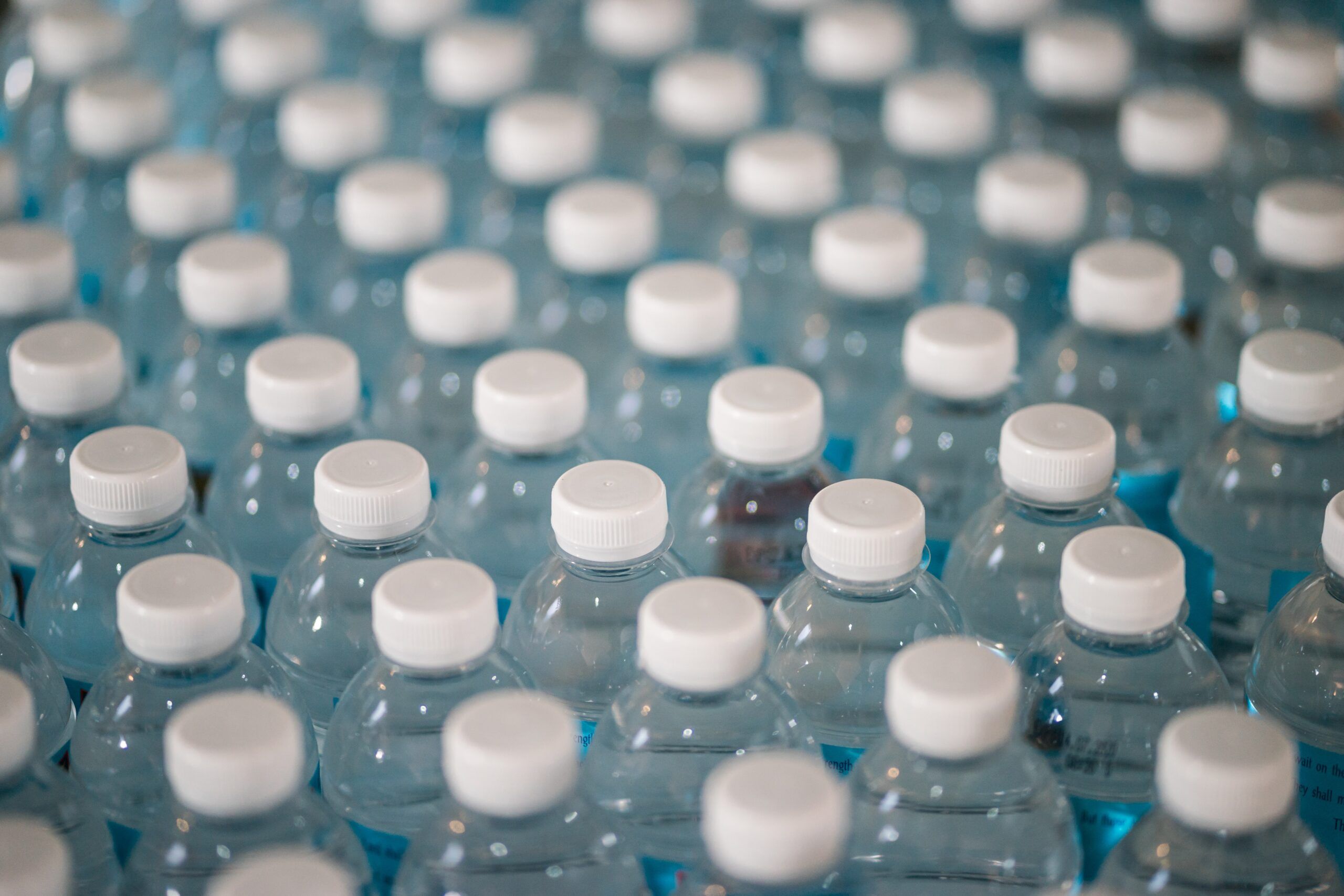
The ever-increasing amount of plastic, its impact on biodiversity and contribution to climate change, and how to deal with it in a circular economy perspective have been on the European Union’s policy agenda for years. The COVID-19 pandemic has only increased the attention for plastic waste with images of masks in our seas, and large amounts of single-use protective gear. In the circular plastics economy report, published today, the European Environment Agency (EEA) analyses the need and potential for a shift to a circular and sustainable approach to our use of plastics.
While awareness, concern and action over how we dispose of plastics in the marine environment and elsewhere have grown enormously in recent years, there are many other and less known impacts of plastics, including its contribution to climate change and new challenges related to the COVID-19 pandemic, according to the EEA report ‘Plastics, the circular economy and Europe′s environment — A priority for action’.
The report looks at plastics production, consumption and trade, the environmental and climate impact of plastics during their life cycle and explores the transition towards a circular plastics economy through three pathways involving policymakers, industry and consumers.
“The challenges posed by plastics are to a large extent due to the fact that our production and consumption systems are not sustainable. The COVID-19 pandemic and climate change have amplified public attention for the plastic waste crisis we face. It is clear that the best way is to shift to a fundamentally sustainable and circular plastics economy, where we use plastics much more wisely and better reuse and recycle them. Moreover, producing plastics from renewable raw materials should be the starting point” said Hans Bruyninckx, EEA Executive Director.
The EEA report points to three pathways for the way ahead including smarter use of plastics, increased circularity, and use of renewable raw materials. Together these can help ensure we achieve a sustainable and circular plastics system. Alongside the report, two related briefings on plastics and textiles and on enabling circular business models are also published today.
COVID-19 pandemic and plastics
The coronavirus pandemic has caused changes in the production, consumption and waste of plastics. Plastic masks play a vital role in limiting the further spread of COVID-19. But the surge in plastic waste due to the demand for masks and gloves, plus changed production and use of single use plastics products like food take-away containers and plastic packaging for online sales can jeopardise EU efforts in the short term to curb plastic pollution and move to a more sustainable and circular plastics system.
More information
European Environment Agency – Full article
Publicaciones relacionadas:
 COVID-19 in Europe: increased pollution from masks, gloves and other single-use plastics
 The European Commission will address the issue of Coronavirus at its meeting on 5th March
 COVID-19: UN releases US$15 million to help vulnerable countries to combat coronavirus
 NOW: Press conference about Coronavirus
 EU Civil Protection Mechanism must be sufficiently funded to save lives
Leave a Reply