
On Tuesday, MEPs adopted their proposals for EU measures to improve living and working conditions for professionals working in the art, cultural and creative sectors.
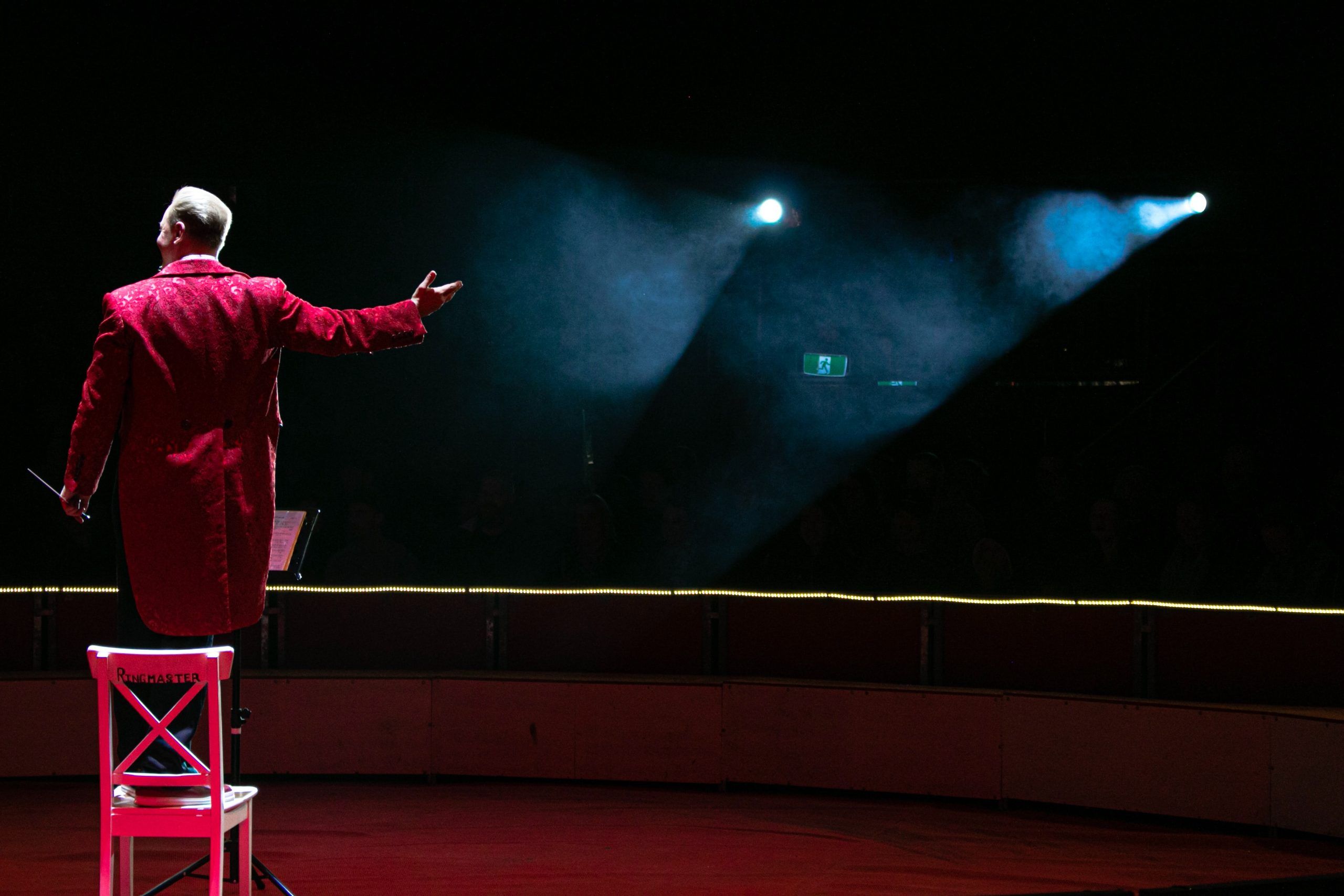
In the legislative initiative, adopted by 433 votes in favour to 100 against and 99 abstentions, MEPs stress that the gaps between national social systems, different national definitions of artists and rules applying to self-employed workers create unfair conditions.
The sector, employing 3.8% of the EU’s workforce and accounting for 4.4% of GDP, is insufficiently protected, they add. Since the sector is characterised by atypical working patterns, irregular income and fewer possibilities for social bargaining, there is a higher risk of underpaid or unpaid work, bogus self-employment and coercive buy-out contracts. New digital technologies, such as generative AI, also pose challenges, the text states.
The legislative initiative
Parliament calls for an EU framework, combining legislative and non-legislative tools, to improve social and professional conditions and create a fair and equal situation for all EU artists and cultural professionals. MEPs want this framework to include:
- a directive on decent working conditions and the correct determinations of employment status of professionals in the cultural and creative sectors (CCS);
- Council decisions to work towards EU standards in the sector, via a European platform for exchanging best practice and creating mutual understanding among member states;
- adapting the next cycle of EU programmes that fund creative and cultural professionals, such as Creative Europe and Horizon Europe, to oblige the EU and the recipients to comply with International Labour Organization, EU, national or collective labour and social obligations and ensure that artists are always paid, including for time spent in rehearsals or preparing funding applications.

EU Guidelines for the Cultural and Creative Sectors |
Quotes
“We need to dispel the myth of the “starving artist”. Cultural and creative professionals do not choose to be in a precarious situation; this is a design flaw of systems ill-suited to their specific working conditions and the power imbalances in the sector. We must urgently end buy-out contracts, include social conditionality in EU cultural funding and we need the political will to establish an EU framework for the social and professional situation of CCS professionals”, said the co-rapporteur of the Culture and Education Committee Domenec Ruiz Devesa (S&D, ES).
Co-rapporteur of the Employment and Social Affairs Committee Antonius Manders (EPP, NL) said : “I have worked as an artist for years and I am very aware of the challenges and benefits that brings. The cultural and creative sectors are crucial for creating European solidarity and identity, and we need to invest in new European artistic competitions to bring EU culture closer to its citizens. Money for cultural and creative work is an investment, not a cost.”
Next steps
After Parliament’s vote, the Commission now has three months to reply by either informing the Parliament of the steps it intends to take or giving reasons for refusing to propose legislation along the lines of Parliament’s request.
More information: European Parliament
Publicaciones relacionadas:
 Parliament launches the Daphne Caruana Galizia journalism prize
 International Day of Holocaust Remembrance
 The astronomical talks at the UAL: a beautiful cosmic experience
 More than 60 free screenings of LUX Prize finalists to be held in 16 Spanish cities
 Spanish film ’20 000 especies de abejas’ nominated for the European Parliament’s LUX Prize
Leave a Reply