
The European Parliament on Tuesday adopted revised rules on preventing and combating trafficking in human beings and protecting its victims.
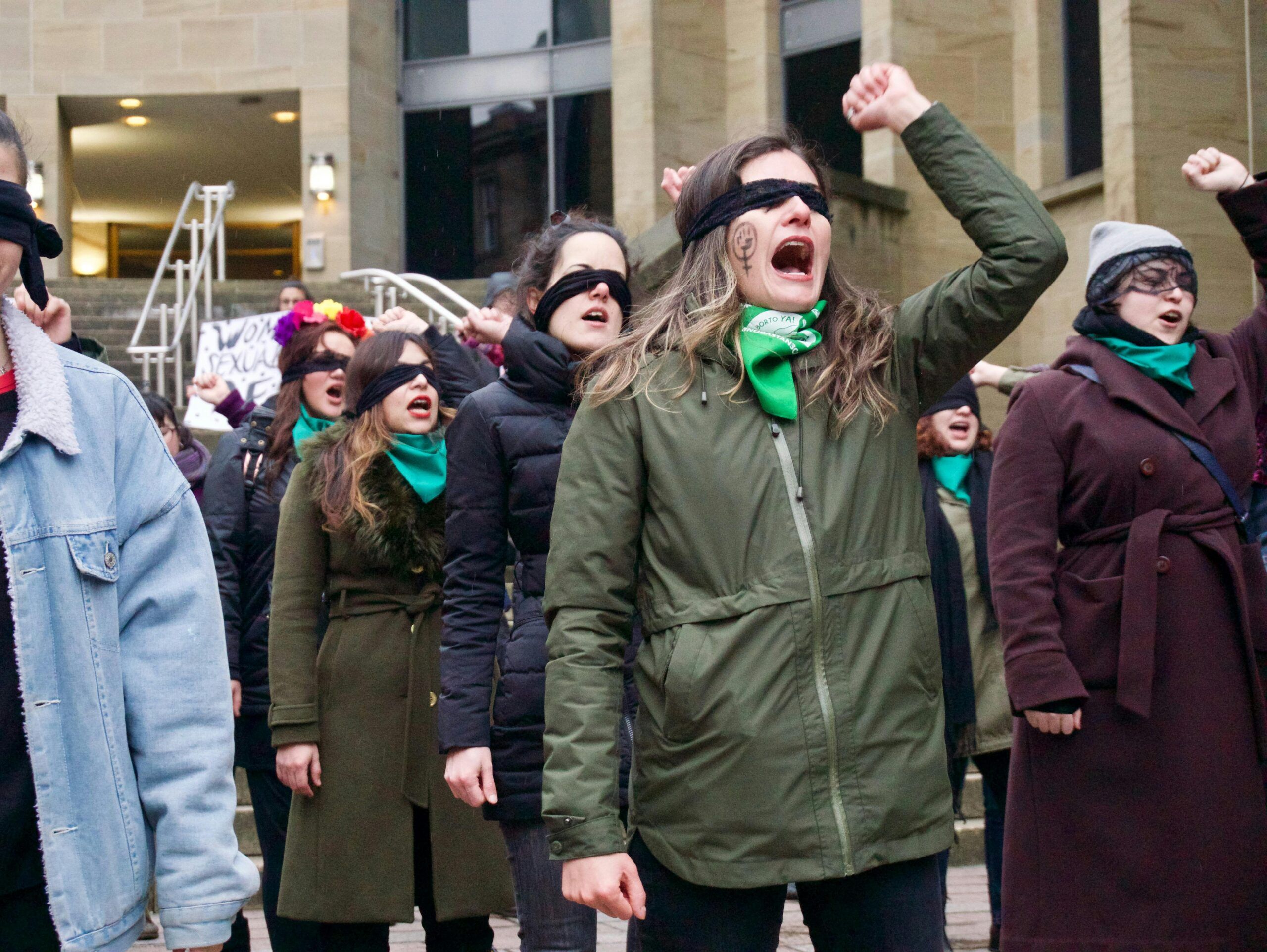
With 563 votes in favour, 7 against and 17 abstentions, the plenary gave its final approval to the extension of existing measures to combat trafficking in human beings and improve support for victims. The amendment seeks to extend European action beyond labour and sexual exploitation by making forced marriage, illegal adoption and surrogate motherhood for reproductive exploitation criminal offences at EU level.
The legislation also
strengthens coordination between anti-trafficking authorities and those responsible for asylum management, so that trafficked persons in need of international protection receive adequate support, and their right to asylum is guaranteed;
criminalises the use of services offered by a victim of trafficking, where the user knows that the victim is being exploited, in order to reduce the demand that encourages exploitation;
introduces sanctions for companies convicted of trafficking offences, e.g. exclusion from public tenders and from access to public funding;
gives prosecutors the possibility not to prosecute victims for criminal acts they were forced to commit, and ensures that victims receive support whether they cooperate with investigations or not;
provides support for victims, including access to shelters and safe accommodation, in particular for the most vulnerable groups;
protects the rights of persons with disabilities and ensures adequate support, including the appointment of guardians or representatives for the least unaccompanied.
allows judges to consider the dissemination of images or videos of sexual content as an aggravating circumstance when sentencing.
Statements by the co-rapporteurs
Eugenia Rodríguez Palop (La Izquierda, Spain) said: “Twelve years after the adoption of the Directive, the European Parliament has had to review EU rules, as trafficking has become more sophisticated and the resources at our disposal are still rudimentary. We need to be able to quickly locate, protect and support victims. Trafficking is torture; those responsible must pay for what they have done and the victims must receive reparation for their suffering”.
Malin Björk (The Left, Sweden) added: “We have made progress during these negotiations; new forms of exploitation will be criminalised and the rights of victims, including migrants, will be improved. We are also reducing demand with provisions on sexual exploitation. We have initiated a change, and now member states must make the most of this directive and ensure that women and girls are not bought and sold in Europe”.

Parliament backs women’s right to decide on their sexual and reproductive health |
Next steps
The Council must formally approve the directive, which will enter into force 20 days after its publication in the Official Journal, and Member States will have two years to implement its provisions.
By adopting this law, Parliament is responding to citizens’ demands formulated in the conclusions of the Conference on the Future of Europe, in particular proposal 24(6) on combating trafficking in cooperation with third countries; 42(2) on tackling challenges at external borders, and 43(1) on the safety of migrants.
More Information: European Parliament
Publicaciones relacionadas:
 LGBTIQ rights in Hungary: debate with Council and Commission
 Urgent measures needed to protect victims of partner violence in custody battles
 Femicide: Name it, count it, end it!
 How is gender-based violence addressed in the EU?
 Include the right to abortion in EU Charter of Fundamental Rights, demand MEPs
Leave a Reply