• Skip to primary navigation
  • Skip to main content
  • Skip to primary sidebar
  • Skip to footer
  • Bluesky
  • Facebook
  • Instagram
  • Twitter
  • YouTube
CDE Almería – Centro de Documentación Europea – Universidad de Almería

CDE Almería - Centro de Documentación Europea - Universidad de Almería

Centro de Documentación Europea de la Universidad de Almería

  • HOME
  • WHAT´S ON
    • EU NEWS
    • Activities
    • EU Calls and Awards
    • Radio Program «Europe with You»
  • DOCUMENTATION
    • EU Media Collection
      • Web Space
      • MEDIATHEQUE REPOSITORY
  • Europe on the net
    • Institutions
    • EU Representation in Spain
    • European information network of Andalusia
  • ABOUT US
    • Presentation
    • Services
    • People
    • Contact
  • Spanish
  • English

Parliament backs women’s right to decide on their sexual and reproductive health

Inicio » Noticias UE » Asuntos Sociales » Equality » Parliament backs women’s right to decide on their sexual and reproductive health

15 de April de 2024

MEPs urge the Council to incorporate sexual and reproductive healthcare and the right to safe and legal abortion into the EU Charter of Fundamental Rights.
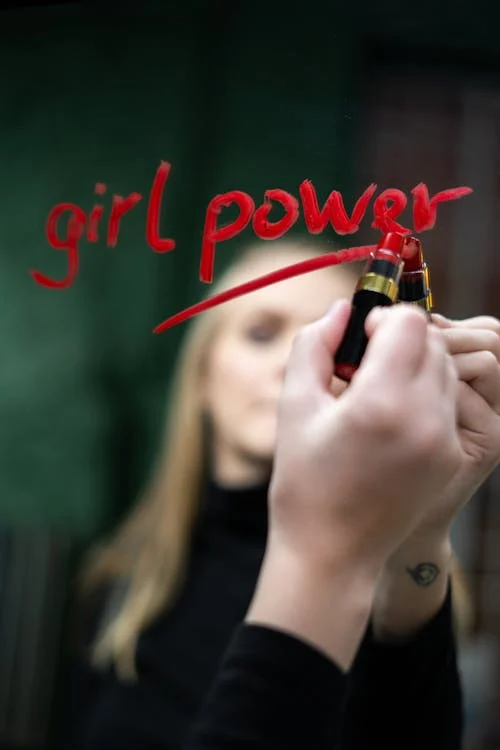
 

In a resolution adopted on Thursday by 336 votes in favour, 163 against and 39 abstentions, the House calls for enshrining abortion rights in the EU Charter of Fundamental Rights, a request they have made several times. MEPs condemn the rollback of women’s rights and all attempts to restrict or remove existing protections for sexual and reproductive health and rights (SRHR) and gender equality globally, including in EU Member States.

They call for amending Article 3 of the Charter to state that “everyone has the right to physical autonomy and to free, informed, full and universal access to sexual and reproductive health and rights and all related health services, including access to safe and legal abortion, without discrimination”.

The text urges Member States to fully decriminalise abortion in line with the WHO 2022 guidelines, and to remove and combat obstacles to abortion. Parliament calls on the authorities in Poland and Malta to repeal their laws and other measures prohibiting and restricting abortion. MEPs condemn the refusal of doctors in some Member States to perform abortions, in some cases by entire medical institutions, on the basis of a “conscience” clause. They regret that this clause is often used in situations where any delay would endanger the life or health of the patient.

 

European Commission: Gender Equality Strategy


High-quality education and care

Abortion methods and procedures should be a compulsory part of the curriculum for doctors and medical students, Parliament stresses. Member States must ensure access to the full range of sexual and reproductive health and rights services, including age-appropriate sexuality and affective education. Accessible, safe and free contraceptive methods and supplies, as well as family planning counselling, should be made available, with special attention to vulnerable groups.

MEPs recall that women in poverty face greater legal, financial, social and practical barriers and restrictions to abortion and urge Member States to remove them.

Stop EU funding to anti-choice groups

MEPs are concerned about the significant increase in funding for anti-choice and anti-abortion groups around the world, including in the EU. They call on the Commission to ensure that organisations working against gender equality and women’s rights, including reproductive rights, do not receive EU funding. The text also insists that Member States and local authorities should increase spending on health and family planning programmes and services.

Context

France became the first country to enshrine the right to abortion in its Constitution on 4 March 2024. Health care, including sexual and reproductive health, is a national competence. Changing the EU Charter of Fundamental Rights to include abortion would require unanimous agreement of all Member States.

More information: European Parliament
Publicaciones relacionadas:

símbolo que representa a un hombre y una mujer en blanco y negroHow data accelerates progress towards equality and narrows the gender gap The EU has been awarded for its strategy on gender equality Women’s rights in the EU The renewed EU commitment to the fight against human trafficking must bring tangible results Femicide: Name it, count it, end it!

Equality,  EU News,  Social Affairs EU,  feminism,  Legal Abortion.,  Reproductive healthcare,  Sex education,  social rights

“This is a space for debate. All comments, for or against publication, that are respectful and do not contain expressions that are discriminatory, defamatory or contrary to current legislation will be published”.

Reader Interactions

Leave a Reply Cancel reply

Your email address will not be published. Required fields are marked *

This site uses Akismet to reduce spam. Learn how your comment data is processed.

Primary Sidebar

Footer

  • CDE Almería
  • Biblioteca Nicolás Salmerón – Universidad de Almería
  • Planta: 1ª, Despacho: 1.05.0B.
  • Ctra. Sacramento s/n. Almería (Spain)
  • Teléfono: (+34) 950 015266

HOME
NEWS
DOCUMENTATION
EUROPE ON THE NET
ABOUT US

  • LEGAL NOTICE
  • PRIVACY POLICY
  • COOKIE POLICY
  • ACCESSIBILITY
  • SITEMAP

Copyright © 2026 CDE Almería · Creative Commons LicenseThis work is licensed under a Creative Commons Attribution-NonCommercial 4.0 International License.

<p>El Centro de Documentación Europea de la Universidad de Almería utiliza cookies propias y de terceros para facilitar al usuario la navegación en su página Web y el acceso a los distintos contenidos alojados en la misma. Asimismo, se utilizan cookies analíticas de terceros para medir la interacción de los usuarios con el sitio Web. Pinche el siguiente enlace si desea información sobre el uso de cookies y como deshabilitarlas. </p>

Politica de privacidad

El Centro de Documentación Europea de la Universidad de Almería utiliza cookies propias y de terceros para facilitar al usuario la navegación en su página Web y el acceso a los distintos contenidos alojados en la misma. Asimismo, se utilizan cookies analíticas de terceros para medir la interacción de los usuarios con el sitio Web. Pinche el siguiente enlace si desea información sobre el uso de cookies y como deshabilitarlas. <a href="/politica-de-cookies" rel="noopener" target="_blank">Más información</a>

Cookies estrictamente necesarias

Las cookies estrictamente necesarias tiene que activarse siempre para que podamos guardar tus preferencias de ajustes de cookies.

Básicamente la web no funcionara bien si no las activas.

Estas cookies son:

  • Comprobación de inicio de sesión.
  • Cookies de seguridad.
  • Aceptación/rechazo previo de cookies.
Cookies de terceros

Esta web utiliza Google Analytics, Google Tag Manager y Yandex Metrika para recopilar información anónima tal como el número de visitantes del sitio, o las páginas más populares.

Dejar estas cookies activas nos permite mejorar nuestra web.

Política de cookies

Pinche el siguiente enlace si desea información sobre el uso de cookies y como deshabilitarlas. Más información