• Skip to primary navigation
  • Skip to main content
  • Skip to primary sidebar
  • Skip to footer
  • Bluesky
  • Facebook
  • Instagram
  • Twitter
  • YouTube
CDE Almería – Centro de Documentación Europea – Universidad de Almería

CDE Almería - Centro de Documentación Europea - Universidad de Almería

Centro de Documentación Europea de la Universidad de Almería

  • HOME
  • WHAT´S ON
    • EU NEWS
    • Activities
    • EU Calls and Awards
    • Radio Program «Europe with You»
  • DOCUMENTATION
    • EU Media Collection
      • Web Space
      • MEDIATHEQUE REPOSITORY
  • Europe on the net
    • Institutions
    • EU Representation in Spain
    • European information network of Andalusia
  • ABOUT US
    • Presentation
    • Services
    • People
    • Contact
  • Spanish
  • English

Over 500,000 children’s reading skills impaired by transport noise in Europe

Inicio » EU News » Health » Diseases » Over 500,000 children’s reading skills impaired by transport noise in Europe

10 de January de 2025

The EEA briefing ‘The effect of environmental noise on children’s reading ability and behaviour in Europe’ estimates the impact of transport noise on the reading and behaviour of children in Europe. The briefing is based on a technical analysis and report by EEA’s European Topic Centre on Human Health and the Environment.
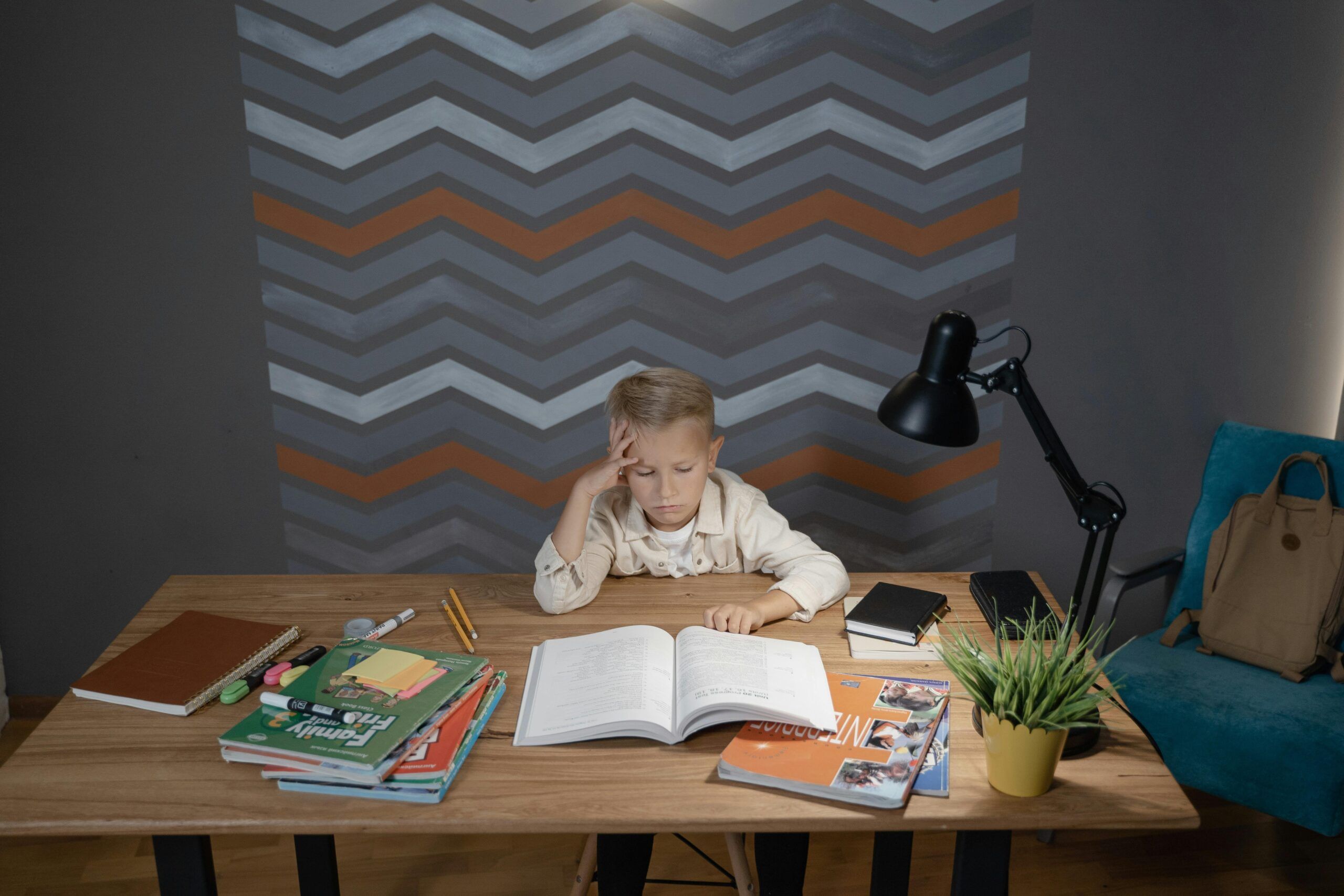
Based on noise data reported to the EEA, it is estimated that more than 20% of Europeans are exposed to levels of road, rail or air transport noise that can have detrimental effects on their health.  Research also indicates that children with homes or schools in areas affected by transport noise tend to score lower on reading ability and exhibit behavioural difficulties.

According to the new EEA briefing, more than 500,000 children in Europe have impaired reading ability and an estimated 60,000 children have behavioural difficulties attributable to transport noise.

Reducing noise exposure at home and in school would minimise these noise-related adverse outcomes for children, which may affect their lifelong opportunities and quality of life, the EEA briefing states. This calls for implementation of effective noise reduction policies.

For example, lower speed limits, low-noise pavements and tyres, or operational restrictions for planes and trains would reduce noise at source, the EEA briefing lists. To further reduce children’s noise exposure, school classrooms and children’s rooms at home could be placed away from busy roads where possible. Noise-reducing landscaping, and other acoustic solutions would also help.

The EU’s zero pollution action plan aims to reduce the number of people chronically disturbed by noise from transport by 30% by 2030 (compared with 2017). However, based on current assessments it is considered that this target will not be achieved.


More information: European Environment Agency.

Publicaciones relacionadas:

Europe’s air quality keeps improving but pollution levels are still unsafe in many areas Thanks to COVID-19, it’s time to flatten the curve on climate change Covid-19: EU recovery plan should prioritise climate investment Time to accelerate the transition to a low-carbon economy, says European civil society Air pollution affects brain development




Diseases,  Environmental Affairs,  EU News,  Health Children,  European Environment Agency,  health,  transport noise

“This is a space for debate. All comments, for or against publication, that are respectful and do not contain expressions that are discriminatory, defamatory or contrary to current legislation will be published”.

Reader Interactions

Leave a Reply Cancel reply

Your email address will not be published. Required fields are marked *

This site uses Akismet to reduce spam. Learn how your comment data is processed.

Primary Sidebar

Footer

  • CDE Almería
  • Biblioteca Nicolás Salmerón – Universidad de Almería
  • Planta: 1ª, Despacho: 1.05.0B.
  • Ctra. Sacramento s/n. Almería (Spain)
  • Teléfono: (+34) 950 015266

HOME
NEWS
DOCUMENTATION
EUROPE ON THE NET
ABOUT US

  • LEGAL NOTICE
  • PRIVACY POLICY
  • COOKIE POLICY
  • ACCESSIBILITY
  • SITEMAP

Copyright © 2026 CDE Almería · Creative Commons LicenseThis work is licensed under a Creative Commons Attribution-NonCommercial 4.0 International License.

<p>El Centro de Documentación Europea de la Universidad de Almería utiliza cookies propias y de terceros para facilitar al usuario la navegación en su página Web y el acceso a los distintos contenidos alojados en la misma. Asimismo, se utilizan cookies analíticas de terceros para medir la interacción de los usuarios con el sitio Web. Pinche el siguiente enlace si desea información sobre el uso de cookies y como deshabilitarlas. </p>

Politica de privacidad

El Centro de Documentación Europea de la Universidad de Almería utiliza cookies propias y de terceros para facilitar al usuario la navegación en su página Web y el acceso a los distintos contenidos alojados en la misma. Asimismo, se utilizan cookies analíticas de terceros para medir la interacción de los usuarios con el sitio Web. Pinche el siguiente enlace si desea información sobre el uso de cookies y como deshabilitarlas. <a href="/politica-de-cookies" rel="noopener" target="_blank">Más información</a>

Cookies estrictamente necesarias

Las cookies estrictamente necesarias tiene que activarse siempre para que podamos guardar tus preferencias de ajustes de cookies.

Básicamente la web no funcionara bien si no las activas.

Estas cookies son:

  • Comprobación de inicio de sesión.
  • Cookies de seguridad.
  • Aceptación/rechazo previo de cookies.
Cookies de terceros

Esta web utiliza Google Analytics, Google Tag Manager y Yandex Metrika para recopilar información anónima tal como el número de visitantes del sitio, o las páginas más populares.

Dejar estas cookies activas nos permite mejorar nuestra web.

Política de cookies

Pinche el siguiente enlace si desea información sobre el uso de cookies y como deshabilitarlas. Más información