• Skip to primary navigation
  • Skip to main content
  • Skip to primary sidebar
  • Skip to footer
  • Bluesky
  • Facebook
  • Instagram
  • Twitter
  • YouTube
CDE Almería – Centro de Documentación Europea – Universidad de Almería

CDE Almería - Centro de Documentación Europea - Universidad de Almería

Centro de Documentación Europea de la Universidad de Almería

  • HOME
  • WHAT´S ON
    • EU NEWS
    • Activities
    • EU Calls and Awards
    • Radio Program «Europe with You»
  • DOCUMENTATION
    • EU Media Collection
      • Web Space
      • MEDIATHEQUE REPOSITORY
  • Europe on the net
    • Institutions
    • EU Representation in Spain
    • European information network of Andalusia
  • ABOUT US
    • Presentation
    • Services
    • People
    • Contact
  • Spanish
  • English

Europe’s air quality keeps improving but pollution levels are still unsafe in many areas

Inicio » Noticias UE » Medio Ambiente » Energy » Europe’s air quality keeps improving but pollution levels are still unsafe in many areas

12 de June de 2024

Air quality has improved considerably in Europe over the past decades, but polluted air is still the biggest environmental health hazard in Europe and globally. According to the European Environment Agency’s (EEA) analysis on air quality data for 2022 and 2023, published today, Europe’s air quality continues improving but, in many areas, especially in cities, pollution remains above recommended safe levels.
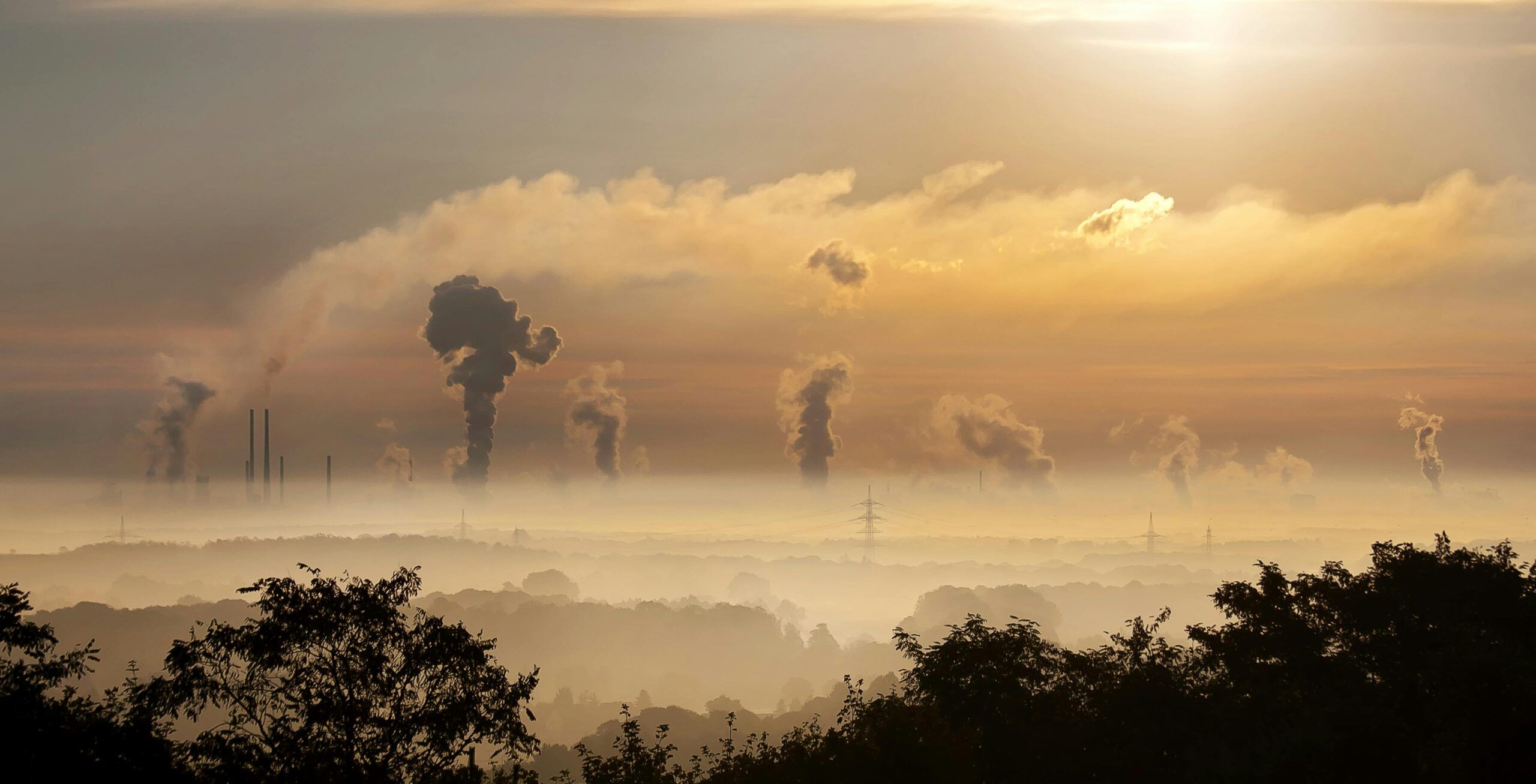
The EEA briefing ‘Europe’s air quality status 2024’ presents data on levels of key air pollutants in Europe in 2022 and 2023 and compares these concentrations to the EU air quality standards and World Health Organization (WHO) health-based guideline levels. The 2022 data are final and validated by reporting countries while the 2023 analysis is based on provisional data.

Europe’s air quality is improving but EU standards are still not met across Europe, the EEA analysis shows. In 2022, only 2% of European monitoring stations registered fine particulate concentrations above the EU annual limit value. However, almost all Europeans (96%) who live in cities are exposed to concentrations of fine particulate matter (PM2.5) that are above the WHO guideline level).

Fine particulate matter is the air pollutant that causes the greatest negative health impacts across Europe. These particles come mainly from solid fuels used for domestic heating, industrial activities and road transport.

The EEA briefing also shows that there are significant differences between countries and regions, with areas in central and eastern Europe showing higher levels of pollution. In 2022, only Iceland had fine particulate concentrations that were lower than the WHO guideline level. Concentrations higher than the EU limit value were measured in three EU Member States: Croatia, Italy, and Poland.

The European Green Deal’s zero pollution action plan sets a 2030 target of reducing premature deaths caused by fine particulate matter by at least 55%, compared with 2005 levels, and a long-term goal of no significant health impacts by 2050. Earlier this year, the EU institutions reached an agreement on a proposal to update the ambient air quality directives with the aim to align the EU air quality standards closer to the WHO’s guideline levels and help deliver on the objectives of the zero pollution action plan.

The EEA briefing is the first analysis in the EEA’s ‘Air quality in Europe 2024’ package. Later this year, the EEA will publish briefings on air pollutant emissions, and on impacts of air pollution on ecosystems and human health. This includes estimates on deaths and ill health that can be attributed to poor air quality.

European Environment Agency: Now is the time to accelerate the shift to a more circular Europe

More information: European Environment Agency

Publicaciones relacionadas:

Time to accelerate the transition to a low-carbon economy, says European civil society bandera españa europaApril infringement package: main decisions for Spain Council approves gas and hydrogen market package Eurostat: EU natural gas demand falls by 7.4% in 2023 European Commission approves up to €1.4 billion for fourth major project of common European interest in the hydrogen value chain


Diseases,  Energy,  Environmental Affairs,  EU News,  Health,  Institutional Affairs,  State Members Air pollution,  air quality,  EU,  European Environment Agency

“This is a space for debate. All comments, for or against publication, that are respectful and do not contain expressions that are discriminatory, defamatory or contrary to current legislation will be published”.

Reader Interactions

Leave a Reply Cancel reply

Your email address will not be published. Required fields are marked *

This site uses Akismet to reduce spam. Learn how your comment data is processed.

Primary Sidebar

Footer

  • CDE Almería
  • Biblioteca Nicolás Salmerón – Universidad de Almería
  • Planta: 1ª, Despacho: 1.05.0B.
  • Ctra. Sacramento s/n. Almería (Spain)
  • Teléfono: (+34) 950 015266

HOME
NEWS
DOCUMENTATION
EUROPE ON THE NET
ABOUT US

  • LEGAL NOTICE
  • PRIVACY POLICY
  • COOKIE POLICY
  • ACCESSIBILITY
  • SITEMAP

Copyright © 2026 CDE Almería · Creative Commons LicenseThis work is licensed under a Creative Commons Attribution-NonCommercial 4.0 International License.

<p>El Centro de Documentación Europea de la Universidad de Almería utiliza cookies propias y de terceros para facilitar al usuario la navegación en su página Web y el acceso a los distintos contenidos alojados en la misma. Asimismo, se utilizan cookies analíticas de terceros para medir la interacción de los usuarios con el sitio Web. Pinche el siguiente enlace si desea información sobre el uso de cookies y como deshabilitarlas. </p>

Politica de privacidad

El Centro de Documentación Europea de la Universidad de Almería utiliza cookies propias y de terceros para facilitar al usuario la navegación en su página Web y el acceso a los distintos contenidos alojados en la misma. Asimismo, se utilizan cookies analíticas de terceros para medir la interacción de los usuarios con el sitio Web. Pinche el siguiente enlace si desea información sobre el uso de cookies y como deshabilitarlas. <a href="/politica-de-cookies" rel="noopener" target="_blank">Más información</a>

Cookies estrictamente necesarias

Las cookies estrictamente necesarias tiene que activarse siempre para que podamos guardar tus preferencias de ajustes de cookies.

Básicamente la web no funcionara bien si no las activas.

Estas cookies son:

  • Comprobación de inicio de sesión.
  • Cookies de seguridad.
  • Aceptación/rechazo previo de cookies.
Cookies de terceros

Esta web utiliza Google Analytics, Google Tag Manager y Yandex Metrika para recopilar información anónima tal como el número de visitantes del sitio, o las páginas más populares.

Dejar estas cookies activas nos permite mejorar nuestra web.

Política de cookies

Pinche el siguiente enlace si desea información sobre el uso de cookies y como deshabilitarlas. Más información