• Skip to primary navigation
  • Skip to main content
  • Skip to primary sidebar
  • Skip to footer
  • Bluesky
  • Facebook
  • Instagram
  • Twitter
  • YouTube
CDE Almería – Centro de Documentación Europea – Universidad de Almería

CDE Almería - Centro de Documentación Europea - Universidad de Almería

Centro de Documentación Europea de la Universidad de Almería

  • HOME
  • WHAT´S ON
    • EU NEWS
    • Activities
    • EU Calls and Awards
    • Radio Program «Europe with You»
  • DOCUMENTATION
    • EU Media Collection
      • Web Space
      • MEDIATHEQUE REPOSITORY
  • Europe on the net
    • Institutions
    • EU Representation in Spain
    • European information network of Andalusia
  • ABOUT US
    • Presentation
    • Services
    • People
    • Contact
  • Spanish
  • English

Natural and cultural heritage as an engine for sustainable rural growth

Inicio » EU News » Social Affairs » Migration and Demography » Natural and cultural heritage as an engine for sustainable rural growth

30 de January de 2023

An EU-funded project used successful natural and cultural heritage-driven practices to provide guidance and assistance for the regeneration of rural areas.

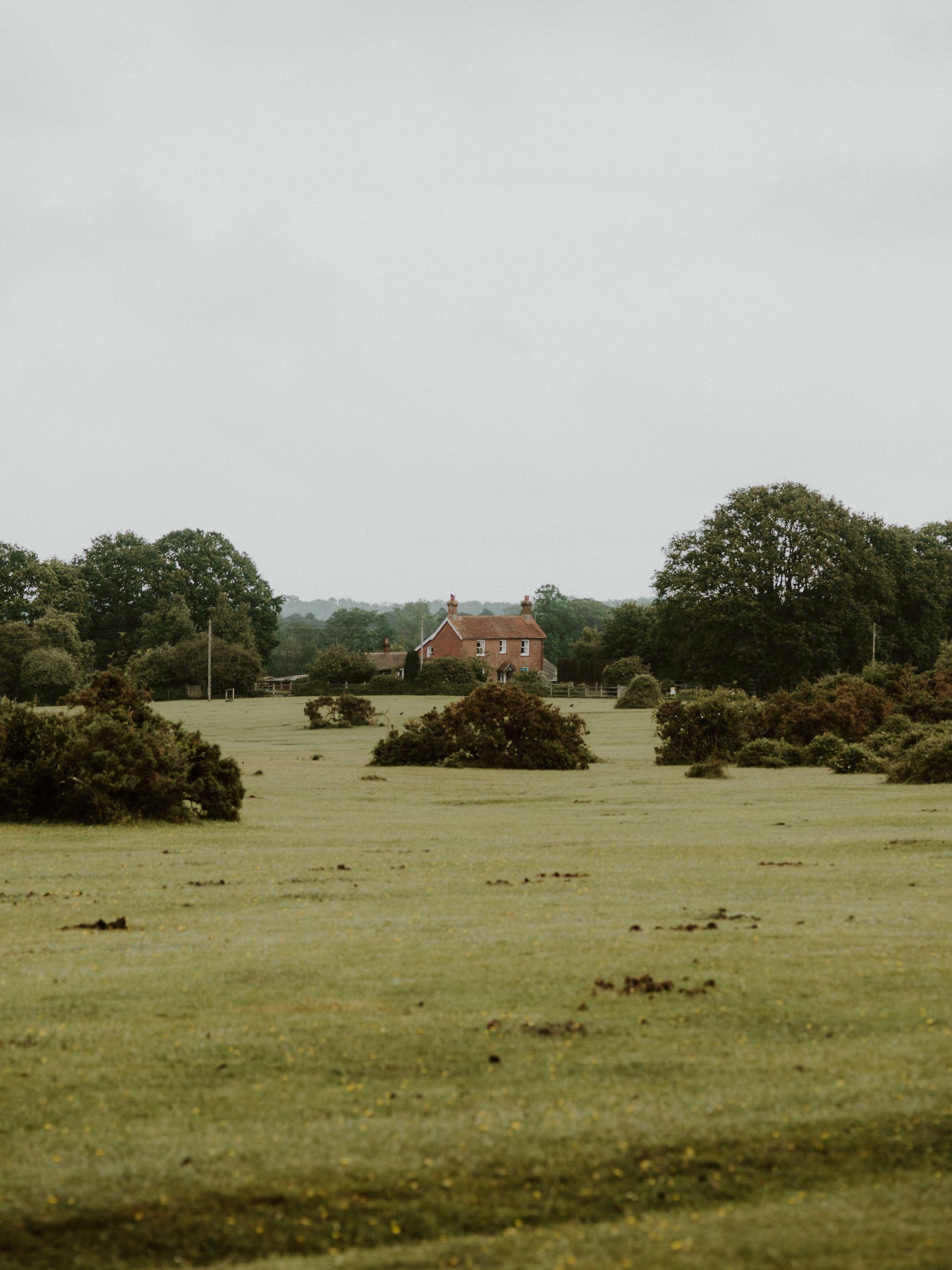
Rural areas in the EU represent 83 % of its total area, housing nearly one third of the EU population. Nature and human society in rural areas have co-existed for thousands of years, offering unique examples of heritage. As such, rural areas need to be safeguarded against potential economic, social and environmental threats but also recognised as communities of sustainable development and growth.

A hub for heritage-led regeneration

The EU-funded RURITAGE project set out to identify the unique natural and cultural heritage potential of certain rural areas and use them as an engine for regeneration. Towards this goal, the consortium developed the Systemic Innovation Areas framework: pilgrimage, resilience, sustainable local food production, integrated landscape management, migration, and art and festivals. Throughout the RURITAGE project, 13 rural areas were selected as ‘Role Models’, including the Asti Province in Italy, the town of Visegrád in Hungary and the island of Lesvos in Greece. These rural areas served as examples where regeneration took place with the help of cultural and natural heritage. The Role Models were selected in reference to the six different Systemic Innovation Areas. Prosperous practices of the Role Models were analysed and furthermore transferred to six selected ‘Replicator’ areas. Replicators are rural communities wishing to build their own heritage-led regeneration strategies but lacked relevant skills, knowledge, and capacity building.

Establishing strong community bonds

Each Role Model and Replicator established a so-called ‘Rural Heritage Hub’ (RHH) of local stakeholders as a meeting place for sharing knowledge and skills. “RHHs served as living labs where local stakeholders and inhabitants cooperated to develop new heritage-led regeneration strategies for their territory,” explains project coordinator Simona Tondelli. A participatory planning process ensured that the Role Models’ experience was tailored and adapted to the specific needs and challenges faced by Replicators. These community-driven hubs (physical and digital) remain active even after the completion of the RURITAGE project, creating a strong network that will continue to foster the heritage paradigm as a driver for regeneration.

RURITAGE in numbers

The project involved over 3 440 citizens in the RHHs, restored or retrofitted 39 buildings, made more accessible 6 sites and 230 km of cultural routes, improved 550 kilometres of cycling/walking routes and organised 66 festivals and art exhibitions. RURITAGE also improved the Wi-Fi coverage by introducing 65 new hot spots and organised webinars attended by over 2 680 people. In terms of budget, the project mobilised additional EUR 204 276 for the Replicators action plans and EUR 1 220 000 sustaining these actions beyond the project end. “RURITAGE is a dynamic project, designed to keep our past, present and future in mind,” emphasises Tondelli. To secure the sustainability of the project, and that all good outcomes are put to good use, the consortium set up a ‘Resources Ecosystem’ hub. The digital tools are open access to all and will continue to support local communities to regenerate with the RURITAGE methodology and monitor results for sustained growth.

Rural proofing

More information

CORDIS

Publicaciones relacionadas:

Measures to prevent Covid19 crisis in refugee camps Schengen, migration, asylum and security in times of COVID-19 26 coordinated arrests in Belgium and France of suspects of a migrant smuggling criminal group MEPs approve €585 million to support refugees from Syria banderas europeasThe European Commission is proposing a new Pact on Migration and Asylum



EU News,  Migration and Demography,  Social Affairs growth,  Heritage,  natural,  rural

“This is a space for debate. All comments, for or against publication, that are respectful and do not contain expressions that are discriminatory, defamatory or contrary to current legislation will be published”.

Reader Interactions

Leave a Reply Cancel reply

Your email address will not be published. Required fields are marked *

This site uses Akismet to reduce spam. Learn how your comment data is processed.

Primary Sidebar

Footer

  • CDE Almería
  • Biblioteca Nicolás Salmerón – Universidad de Almería
  • Planta: 1ª, Despacho: 1.05.0B.
  • Ctra. Sacramento s/n. Almería (Spain)
  • Teléfono: (+34) 950 015266

HOME
NEWS
DOCUMENTATION
EUROPE ON THE NET
ABOUT US

  • LEGAL NOTICE
  • PRIVACY POLICY
  • COOKIE POLICY
  • ACCESSIBILITY
  • SITEMAP

Copyright © 2026 CDE Almería · Creative Commons LicenseThis work is licensed under a Creative Commons Attribution-NonCommercial 4.0 International License.

<p>El Centro de Documentación Europea de la Universidad de Almería utiliza cookies propias y de terceros para facilitar al usuario la navegación en su página Web y el acceso a los distintos contenidos alojados en la misma. Asimismo, se utilizan cookies analíticas de terceros para medir la interacción de los usuarios con el sitio Web. Pinche el siguiente enlace si desea información sobre el uso de cookies y como deshabilitarlas. </p>

Politica de privacidad

El Centro de Documentación Europea de la Universidad de Almería utiliza cookies propias y de terceros para facilitar al usuario la navegación en su página Web y el acceso a los distintos contenidos alojados en la misma. Asimismo, se utilizan cookies analíticas de terceros para medir la interacción de los usuarios con el sitio Web. Pinche el siguiente enlace si desea información sobre el uso de cookies y como deshabilitarlas. <a href="/politica-de-cookies" rel="noopener" target="_blank">Más información</a>

Cookies estrictamente necesarias

Las cookies estrictamente necesarias tiene que activarse siempre para que podamos guardar tus preferencias de ajustes de cookies.

Básicamente la web no funcionara bien si no las activas.

Estas cookies son:

  • Comprobación de inicio de sesión.
  • Cookies de seguridad.
  • Aceptación/rechazo previo de cookies.
Cookies de terceros

Esta web utiliza Google Analytics, Google Tag Manager y Yandex Metrika para recopilar información anónima tal como el número de visitantes del sitio, o las páginas más populares.

Dejar estas cookies activas nos permite mejorar nuestra web.

Política de cookies

Pinche el siguiente enlace si desea información sobre el uso de cookies y como deshabilitarlas. Más información