
On 16 November, the High Representative for Foreign Affairs and Security Policy and Vice-President of the European Commission, Kaja Kallas, the Commissioner for Enlargement, Marta Kos, and the Commissioner for International Partnerships, Jozef Síkela,welcomed representatives from the EU, the Black Sea region, the South Caucasus and Central Asia to Brussels for the second Ministerial Meeting on Transregional Security and Connectivity.
At the meeting, the Ministers for Foreign Affairs and High Representatives of the EU Member States, Armenia, Azerbaijan, the Republic of Moldova, Kazakhstan, Kyrgyzstan, Tajikistan, Turkey, Turkmenistan, Ukraine and Uzbekistan reaffirmed their commitment to deepening cooperation in areas of common interest, such as transport, digital technology and energy. They emphasised that jointly addressing shared security challenges and strengthening interregional connectivity are key factors for peace, stability, resilience and sustainable economic growth.
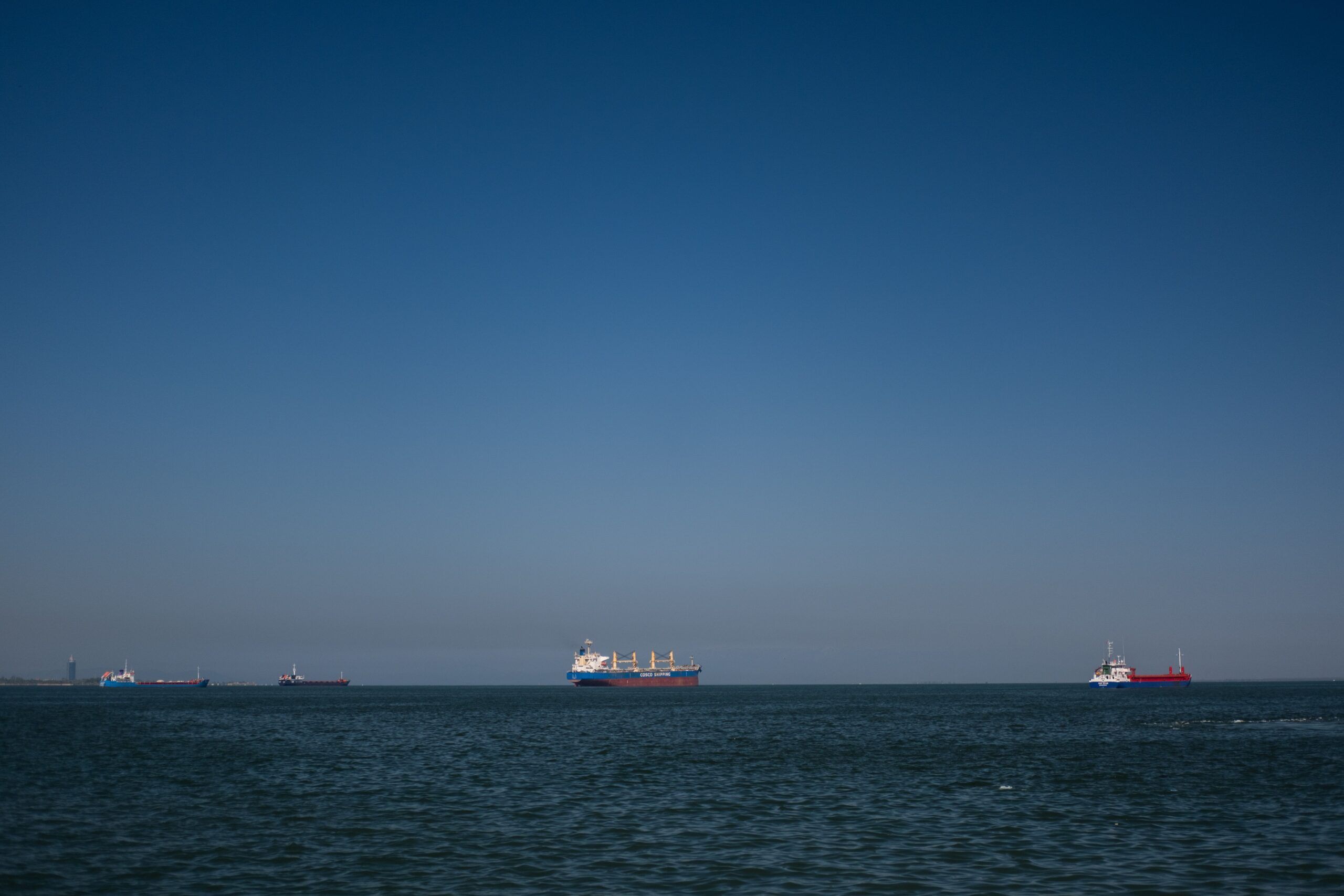
The Middle Corridor, the EU’s flagship initiative announced by President von der Leyen in the 2026 State of the Union address, will connect Central Asia via the Caspian Sea to the South Caucasus and directly to the European market via Turkey and the Black Sea, with the aim of diversifying routes, tripling trade flows and drastically reducing freight transit times by 2030.
The benefits are clear: a reliable and competitive route enabling increased trade and better jobs, faster logistics, better digital connections and greater innovation, enhanced energy security, and diversified and secure supply chains.
Promoting security and stability in the Black Sea region.
Following the first Ministerial Meeting on Transregional Security and Connectivity and the publication of the implementation report on the EU Strategy for the Black Sea, the EU and its partners in the Black Sea region, the South Caucasus and Central Asia met again to take stock of the progress made and to boost regional cooperation on connectivity, security, peace and stability.
The talks took place against a backdrop of deteriorating security in the Black Sea, marked by recent drone attacks on civilian vessels and ground incursions involving drones. In this regard, participants discussed key initiatives to strengthen maritime capabilities, focusing on early risk detection, infrastructure protection, countering hybrid threats and mine clearance. The Black Sea Maritime Security Centre, jointly organised by Bulgaria and Romania, will contribute to a safer and more predictable maritime environment. President von der Leyen’s recent visit to Bulgaria and Romania underlined Europe’s commitment to restoring and preserving freedom of navigation in the Black Sea, with the recent allocation of 50 million euros for the establishment of the Centre and two additional tranches of 10 million euros each for Bulgaria and Romania to support maritime search and rescue operations.
Participants also discussed the need to maintain joint efforts to counter the Russian clandestine fleet and its hybrid activities in the Black Sea, strengthen Ukraine’s resilience through alternative export routes, and put an end to the deadly attacks in the Black Sea to allow food supplies to reach global markets.
Implementation of the Interregional Connectivity Agenda
Since the first Ministerial Meeting held in Luxembourg in October 2025, the connectivity dimension of the Black Sea Strategy has evolved from a political ambition into concrete implementation. The aim is to strengthen transport, digital and energy links between the European Union, the Black Sea region, the South Caucasus and Central Asia. Launched on 23 June 2026, the Connectivity Agenda Platform provides the framework for coordinating this work. A key priority is to develop the Middle Corridor/Trans-Caspian Transport Corridor into a resilient, efficient, climate-resilient and competitive multimodal route, with a greater focus on border procedures, customs cooperation, trade facilitation and commercially viable services. Together with partner countries, the EU is driving strategic investment in transport, energy and digital infrastructure, using blended finance and guarantees to mobilise additional public and private capital. In the transport sector, support focuses on key rail, road and border infrastructure, as well as port modernisation. In the digital sphere, priority projects include secure cross-border fibre-optic links, satellite connectivity, data centres and AI-related investments. In the energy sector, the focus is on strengthening regional energy interconnections, modernising energy markets and networks, and supporting renewable energy and energy storage.
Next steps
As announced by the President of the European Commission, Ursula von der Leyen, in her 2026 State of the Union address, the EU will meet next year with leaders from Member States and partner countries at a Regional Connectivity Summit to be held in Sofia, Bulgaria. The Summit will provide strategic guidance to advance the regions’ connectivity priorities at the highest political level.
Background
The Interregional Connectivity Agenda, presented at the Ministerial Meeting on Security and Interregional Connectivity held in Luxembourg in October 2025, forms part of the EU’sGlobal Gateway strategy. Its aim is to strengthen transport, energy and digital links between the European Union and Central Asia via the South Caucasus and the Black Sea region, through the coordination of strategic investments and regulatory cooperation.
At the Trans-Caspian Transport Corridor (TCTC) and Connectivity Investors’ Forum held in Tashkent in November 2025, participants highlighted the corridor’s growing strategic importance as a resilient and efficient route between Europe and Central Asia.
More information: European Commission
Publicaciones relacionadas:
 Internships – International Association for the Exchange of Students for Technical Experience (IAESTE)
 The Commission proposes a free and secure data circulation zone between the EU and Brazil
 EU and Kenya strengthen partnership
 EU concludes modernised Economic Partnership Agreement with Sub-Saharan Africa partners
 The EU and Moldova are strengthening their partnership with a disbursement of 157 million euros from the Growth Plan
Leave a Reply