
Last June 10, the EU and four Eastern and Southern Africa (ESA) States (Comoros, Madagascar, Mauritius, and Seychelles) concluded negotiations on an enhanced Economic Partnership Agreement (EPA). Commissioner for Trade and Economic Security, Maros Šefčovič, participated via videoconference in the conclusion ceremony that took place today in Mauritius. The EPA represents the first of its kind signed between the EU and partners in Sub-Saharan Africa, and sets an important benchmark for future EU-Africa economic relations. It will remain open for accession by other ESA countries.
The EPA will provide a strong framework to bring the EU and ESA States closer together, based on clear, predictable rules. It aims to promote economic opportunity and diversification for both sides, while supporting deeper regional and continental economic integration, and sustainable development in the ESA States.
This enhanced EPA will open up new opportunities for consumers and businesses on both continents. It provides a framework for a more predictable, competitive, and sustainable economic environment, focussing on areas central to modern economies based on services and digitalisation. It will also allow both sides to work together on upholding the rules-based international order.
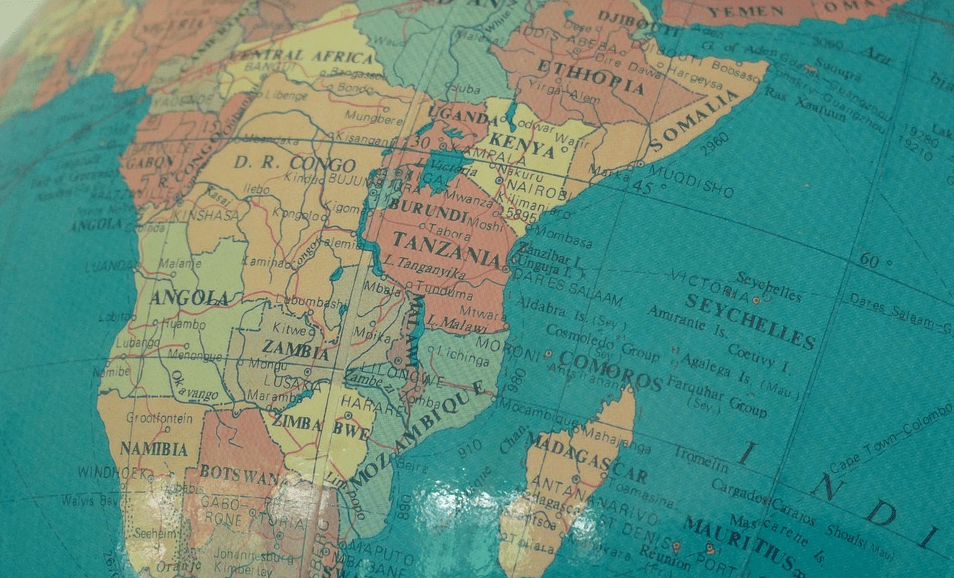
A first for EU trade with Sub-Saharan Africa
This Agreement will set a new standard for EU-Africa economic relations by providing clear rules and opportunities on:
- Services and investment: the enhanced EPA improves legal certainty and conditions for companies supplying services in each other’s market. It also provides greater predictability for investors and ensures fair and non-discriminatory treatment.
- Public procurement: businesses will have access to clear and transparent information on public procurement opportunities. This will make it easier for businesses on both sides to take part in public tendering and will support ESA States’ expected economic growth and modernization plans.
- Intellectual property: the enhanced EPA establishes a modern and predictable framework covering all major categories of intellectual property and strengthens enforcement tools to support innovative and creative industries in ESA States. It will also protect 135 EU Geographical Indications (GIs) in Madagascar, Mauritius, and Seychelles, after a transition period.
- Digital trade: the deal will make it easier to carry out digital transactions and trade using electronic means without applying customs duties on electronic transmissions. It will enhance online consumer protection and reduce unnecessary red tape. This allows the EU and the ESA States to promote and support digital trade more widely.
- Sustainability: the deal contains binding and enforceable commitments, as well as cooperation provisions, in a dedicated Trade and Sustainable Development chapter. This covers a broad range of issues such as labour rights, environmental and climate protection – with the Paris Climate Agreement being considered as an essential element-, gender equality, and responsible business conduct. These commitments will support the advancement of social and environmental objectives in the four African countries.
In addition, the enhanced EPA will further strengthen cooperation in agriculture by establishing an agricultural partnership for an enhanced dialogue to support more sustainable agri-food value chains.
The Agreement’s implementation will be supported by economic and development cooperation to strengthen trade and investment frameworks in the four ESA countries, helping to drive structural transformation, enhance economic governance, and support regional and continental integration. The scope of cooperation is broad and covers key areas needed to ensure that trade and investment effectively contribute to sustainable development.
Next steps
On the EU side, the negotiated draft texts will be published shortly. The texts will go through the necessary internal procedures before the Commission will put forward its proposal to the Council for the signature and conclusion of the Agreement. Once adopted by the Council, the EU and the ESA States can sign the Agreement. Following the signature, the Agreement requires the European Parliament’s consent, and the Council’s decision on conclusion for it to enter into force. Once the ESA States also ratify the Agreement, it can enter into force. In the meantime, the parties may decide to provisionally apply the Agreement. The enhanced EPA will remain open for accession by other ESA states, with negotiations still ongoing with Zimbabwe.
Background
In 2019, the ESA States initiated negotiations to enhance the currently implemented interim EPA, with the objective of moving beyond an agreement focused primarily on trade in goods and development cooperation. The aim was to create a more comprehensive framework to better support structural economic transformation, promote local value addition, and address persistent challenges such as non-tariff barriers, regulatory fragmentation, and competitiveness gaps.
The EU is ESA4’s largest trading partner, accounting for 24% of its total trade in goods and for 33% of its total trade in services.
In 2024, total trade in goods and services between the EU and the ESA4 States reached €9.7 billion, comprising €5.2 billion in EU imports and €4.5 billion in EU exports. The economic relevance for EU services providers and investors cannot be underestimated, especially given the commitments on mining, manufacturing, as well as on renewable energy, key for a successful green transition both in the European and African continent.
For more information: European Commission
Publicaciones relacionadas:
 Commission provides €1 billion in macro-financial assistance to Egypt
 European institutions agree on a roadmap to achieve “One Europe, One Market” by the end of 2027
 EU and Kenya strengthen partnership
 Commission proposes partial suspension of Israel in Horizon Europe
 The Commission proposes a free and secure data circulation zone between the EU and Brazil
Leave a Reply