
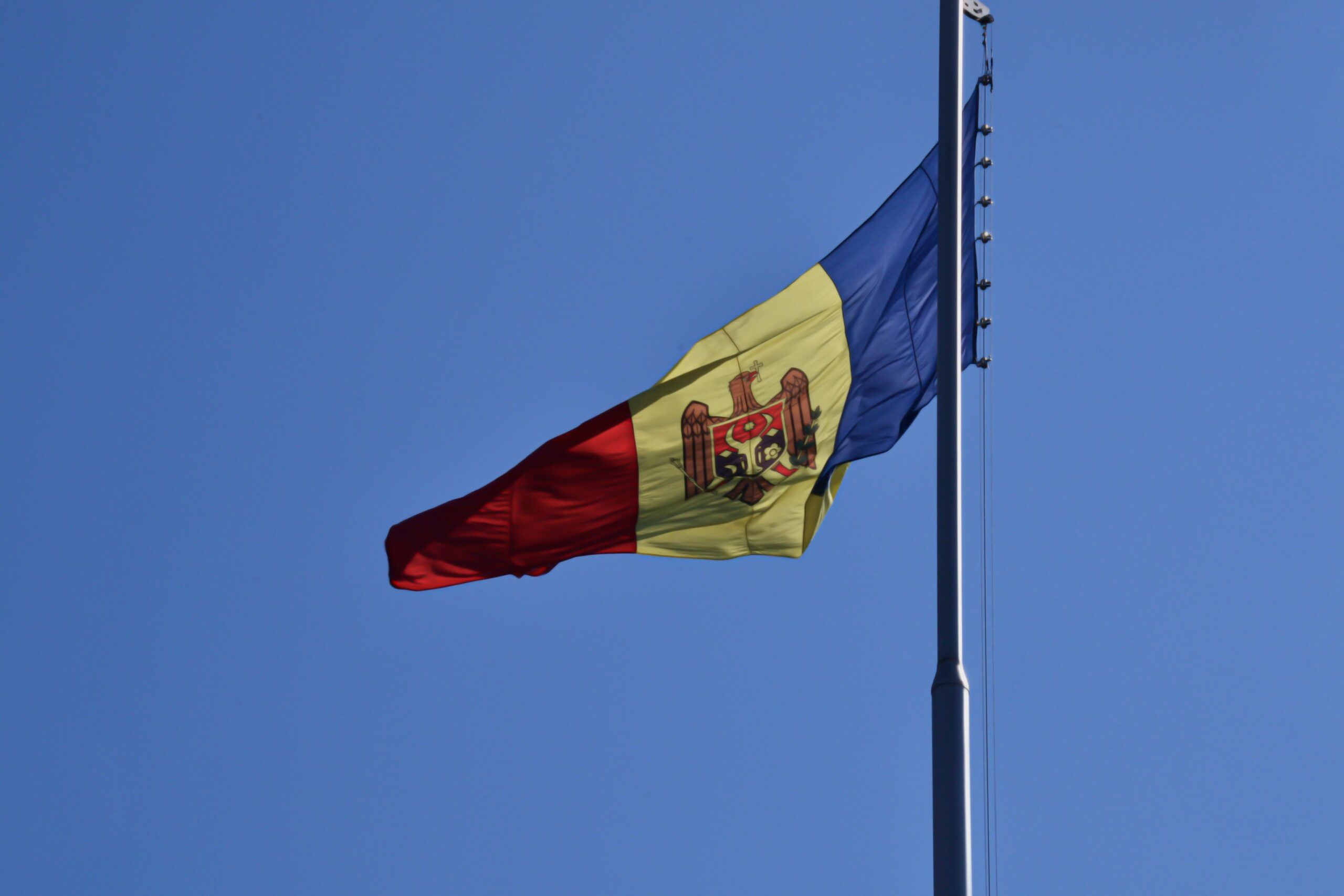
The European Union (EU) and the Republic of Moldova (hereinafter ‘Moldova’) held the tenth meeting of the Association Council in Brussels on 5 October. The meeting underlined the shared strategic objective of Moldova’s accession to the EU and sent a clear message: Moldova is moving resolutely towards EU membership and its future lies firmly within the European Union.
The parties welcomed the recent opening of thematic groups 1 (fundamentals) and 6 (external relations), as well as Moldova’s continued alignment with all chapters of the acquis communautaire, and in particular its progress in the areas of the rule of law, judicial reform and the fight against corruption. The parties expressed their interest in the opening of the remaining thematic groups and emphasised the importance of broad public support for accession, including through strategic communication on its benefits and obligations and the fight against disinformation.
The EU emphasised the importance of Moldova continuing its efforts to strengthen an independent, impartial and professional judiciary, including through the rigorous evaluation of judges and prosecutors. It also highlighted the need to build a solid track record of investigations, prosecutions and final court rulings in corruption cases. The EU welcomed the progress made in public administration reform and emphasised the fundamental role of an effective and professional public administration, capable of delivering high-quality public services, as well as an inclusive reform process.
The EU congratulated Moldova on its remarkable progress in implementing reform commitments under the Moldova Reform and Growth Facility. Following the successful completion of 18 reforms during the last reporting period, the European Commission disbursed €157 million to Moldova. This brings the total amount of results-based EU funding paid to Moldova to date to approximately €661 million. The EU welcomed Moldova’s commitment to macroeconomic stability and economic reforms, and emphasised the importance of a sound monetary policy against a backdrop of inflationary pressures. It also encouraged Moldova to use assistance from the Mechanism to support growth-enhancing reforms and to continue improving the business environment.
The EU commended Moldova’s commitment to democratic processes and electoral integrity despite large-scale Russian interference and hybrid threats, and emphasised the need to further strengthen resilience against foreign manipulation and interference in information.
The EU and Moldova strongly condemned the increasingly frequent violations of Moldovan airspace by Russian drones and missiles, which pose a serious risk to the safety of the Moldovan population. The EU reaffirmed its unwavering support for Moldova’s independence, sovereignty and territorial integrity within its internationally recognised borders. Both sides emphasised that strengthening Moldova’s resilience to the security implications of Russia’s war of aggression against Ukraine also contributes to the stability and security of Europe.
The EU commended the deepening of cooperation on foreign policy, as well as Moldova’s efforts to align fully with the EU’s Common Foreign and Security Policy and its participation in EU missions and operations under the Common Security and Defence Policy. It reiterated the importance of the EU-Moldova Partnership on Security and Defence and welcomed the EU’s continued support for Moldova’s resilience and defence capabilities. The EU reaffirmed its commitment to strengthening Moldova’s crisis management structures and improving its capacity to counter hybrid threats, including through the EU Partnership Mission in Moldova. The EU and Moldova also welcomed the strengthening of their cooperation under the European Peace Facility, through which the EU has allocated €317 million between 2021 and 2026.
The Association Council welcomed Moldova’s efforts to strengthen its energy resilience. Moldova recalled the significant financial assistance it has received in this context. The EU also reaffirmed its readiness to continue supporting the country.
The parties emphasised the importance of deepening sectoral cooperation and Moldova’s gradual integration into the EU’s internal market. In this context, the Association Council welcomed the benefits arising from Moldova’s inclusion within the geographical scope of the Single Euro Payments Area (SEPA), which facilitates cheaper money transfers with EU countries, whilst participation in the Common Transit Convention simplifies cross-border trade. Both sides welcomed Moldova’s inclusion in the EU’s ‘Roam Like at Home’ agreement, which makes mobile communications more affordable for travellers.
The meeting was chaired by the High Representative of the European Union for Foreign Affairs and Security Policy, Kaja Kallas, who led the EU delegation, which also included the Commissioner for Enlargement, Marta Kos. Moldova’s Prime Minister, Vasile Tofan, led the Moldovan delegation.
More information: European Commission
Publicaciones relacionadas:
 European institutions agree on a roadmap to achieve “One Europe, One Market” by the end of 2027
 Serbia and enlargement: MEPs expect a genuine commitment to EU values
 President Ursula von der Leyen in Uzbekistan to take the EU-Central Asia partnership to the next level
 The European Union and Central Asia establish a Strategic Partnership during groundbreaking summit
 Package agreed at EU-United Kingdom Summit
Leave a Reply