• Skip to primary navigation
  • Skip to main content
  • Skip to primary sidebar
  • Skip to footer
  • Bluesky
  • Facebook
  • Instagram
  • Twitter
  • YouTube
CDE Almería – Centro de Documentación Europea – Universidad de Almería

CDE Almería - Centro de Documentación Europea - Universidad de Almería

Centro de Documentación Europea de la Universidad de Almería

  • HOME
  • WHAT´S ON
    • EU NEWS
    • Activities
    • EU Calls and Awards
    • Radio Program «Europe with You»
  • DOCUMENTATION
    • EU Media Collection
      • Web Space
      • MEDIATHEQUE REPOSITORY
  • Europe on the net
    • Institutions
    • EU Representation in Spain
    • European information network of Andalusia
  • ABOUT US
    • Presentation
    • Services
    • People
    • Contact
  • Spanish
  • English

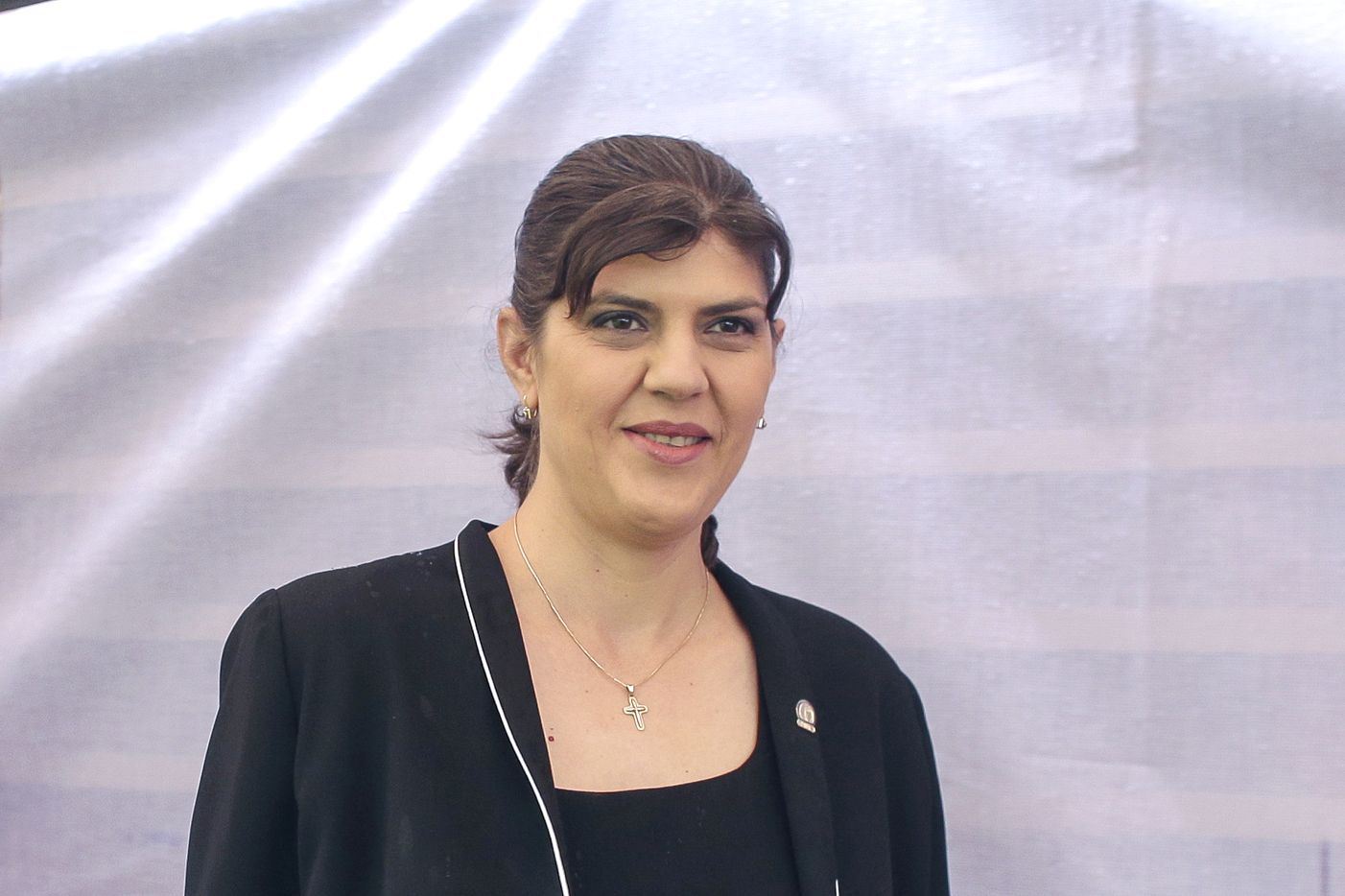
Laura Kövesi confirmed as European Chief Prosecutor

Inicio » EU News » Laura Kövesi confirmed as European Chief Prosecutor

22 de October de 2019

Parliament’s leading MEPs endorsed Laura Codruţa Kövesi’s appointment as the first head of the new European Public Prosecutor’s Office.

The decision by the Conference of Presidents (EP President David Sassoli and political group leaders) follows an agreement in September between Parliament and Council negotiators on the new European Chief Prosecutor. Parliament’s negotiating team backed Ms Kövesi throughout the negotiations.

EPPO

The European Public Prosecutor’s Office will be an independent and decentralised prosecution office of the European Union, with the competence to investigate, prosecute and bring to judgment crimes against the EU budget, such as fraud, corruption or serious cross-border VAT fraud. The Regulation establishing the European Public Prosecutor’s Office under enhanced cooperation was adopted on 12 October 2017 and entered into force on 20 November 2017. At this stage, there are 22 participating EU countries.

Currently, only national authorities can investigate and prosecute fraud against the EU budget. But their powers stop at national borders. Existing EU-bodies such as Eurojust, Europol and the EU’s anti-fraud office (OLAF) lack the necessary powers to carry out criminal investigations and prosecutions.

Background

The EPPO, which is expected to be operational at the end of 2020, will be an independent office in charge of investigating, prosecuting and bringing to justice crimes against the EU budget, such as fraud, corruption or cross-border VAT fraud above 10 million euros. The list of crimes could be extended in the future to include, for example, terrorism.

So far, 22 member states have joined the EPPO. The five countries that currently do not participate – Sweden, Hungary, Poland, Ireland and Denmark – could join at any time.

The EPPO central office will be based in Luxembourg, along with the Chief Prosecutor and a College of Prosecutors from all participating countries. They will head the day-to-day criminal investigations carried out by the delegated prosecutors in all participating member states.

Más información

Press release

EPPO

Publicaciones relacionadas:

Parliament re-elects Emily O’Reilly as European Ombudsman EU Budget for 2021-2027: provisional agreement reached on the financial programme to support justice area persona sentada sobre una superficie de madera oscura sostiene un mapa doblado en la manoIreland to the Court of Justice for failing to effectively protect tourists Copyright reform: modernised rules fit for digital age MEPs agree on future regional and cohesion funding




EU News European Institutions,  Law

“This is a space for debate. All comments, for or against publication, that are respectful and do not contain expressions that are discriminatory, defamatory or contrary to current legislation will be published”.

Reader Interactions

Leave a Reply Cancel reply

Your email address will not be published. Required fields are marked *

This site uses Akismet to reduce spam. Learn how your comment data is processed.

Primary Sidebar

Footer

  • CDE Almería
  • Biblioteca Nicolás Salmerón – Universidad de Almería
  • Planta: 1ª, Despacho: 1.05.0B.
  • Ctra. Sacramento s/n. Almería (Spain)
  • Teléfono: (+34) 950 015266

HOME
NEWS
DOCUMENTATION
EUROPE ON THE NET
ABOUT US

  • LEGAL NOTICE
  • PRIVACY POLICY
  • COOKIE POLICY
  • ACCESSIBILITY
  • SITEMAP

Copyright © 2026 CDE Almería · Creative Commons LicenseThis work is licensed under a Creative Commons Attribution-NonCommercial 4.0 International License.

<p>El Centro de Documentación Europea de la Universidad de Almería utiliza cookies propias y de terceros para facilitar al usuario la navegación en su página Web y el acceso a los distintos contenidos alojados en la misma. Asimismo, se utilizan cookies analíticas de terceros para medir la interacción de los usuarios con el sitio Web. Pinche el siguiente enlace si desea información sobre el uso de cookies y como deshabilitarlas. </p>

Politica de privacidad

El Centro de Documentación Europea de la Universidad de Almería utiliza cookies propias y de terceros para facilitar al usuario la navegación en su página Web y el acceso a los distintos contenidos alojados en la misma. Asimismo, se utilizan cookies analíticas de terceros para medir la interacción de los usuarios con el sitio Web. Pinche el siguiente enlace si desea información sobre el uso de cookies y como deshabilitarlas. <a href="/politica-de-cookies" rel="noopener" target="_blank">Más información</a>

Cookies estrictamente necesarias

Las cookies estrictamente necesarias tiene que activarse siempre para que podamos guardar tus preferencias de ajustes de cookies.

Básicamente la web no funcionara bien si no las activas.

Estas cookies son:

  • Comprobación de inicio de sesión.
  • Cookies de seguridad.
  • Aceptación/rechazo previo de cookies.
Cookies de terceros

Esta web utiliza Google Analytics, Google Tag Manager y Yandex Metrika para recopilar información anónima tal como el número de visitantes del sitio, o las páginas más populares.

Dejar estas cookies activas nos permite mejorar nuestra web.

Política de cookies

Pinche el siguiente enlace si desea información sobre el uso de cookies y como deshabilitarlas. Más información