
In 2024, the EU set a target of achieving an annual injection capacity of 50 million tonnes in the EU’s geological CO₂ storage sites by 2030, with the aim of supporting carbon capture and storage projects, reducing industrial emissions and increasing the availability of such storage sites in Europe. The published report shows that significant progress has been made in developing these storage sites since then, and that the 2030 target is within reach if projects are implemented quickly enough.
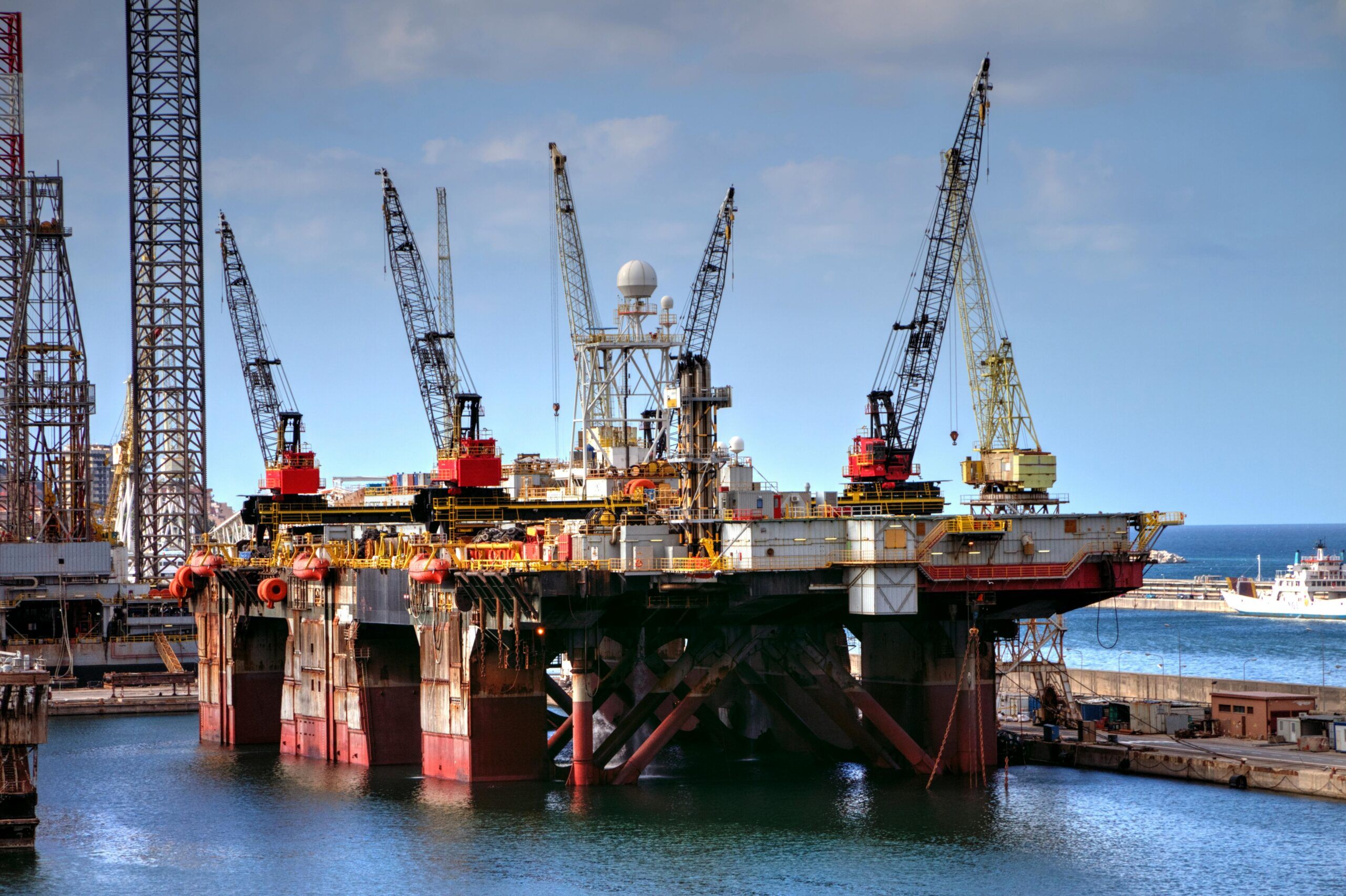
Three storage facilities at Porthos, Greensand and Prinos have already been granted permits in the EU. The Greensand facility, in the Danish North Sea, will inject its first CO₂next month. The Prinos facility, located in the Aegean Sea, is expected to come online between 2026 and 2027. And the Porthos facility, near Rotterdam, is expected to start operating next year.
These sites are driving the CO₂ storage marketanddemonstrate the rapid growth of carbon capture and storage in the EU. Within a year, Member States have granted four new permits (including the K14-FAFC storage site, recently authorised in the Netherlands) following the Commission’s review. By contrast, only one permit was issued in theEUbetween the adoption of theCCS Directivein 2009 and the setting of the 2030 target in 2024. At least seven further sites are expected to come online in the coming years, with a total injection capacity of 19 million tonnes of CO₂ per year.
Strong demand from industry.
EU Member States report that many industrial plants will rely on CO₂ storage facilitiesinthe coming years.Innovation Fund. Projects alone are expected to capture more than 25 million tonnes of CO₂ per year for permanent storage. Nearly 100 CO₂ capture projects applied for funding from the Innovation Fund in the 2020–2025 period and would require more than 70 million tonnes of annual CO₂ injection capacity.The contribution of the44 obligated entities. is essential to meet industry demand and strengthen the EU’s leadership inCO₂capture technologies.
More work is required from oil and gas companies.
Better public information from Member States and the 44 obligated companies will provide investors with a clearer picture of the market. Oil and gas companies must also develop new storage sites to fulfil their contribution and ensure balanced access to carbon capture and storage across the EU.
The development of an EU market for CO₂ storagewill beessential to support the decarbonisation of hard-to-decarbonise industries and achieve the objectives ofthe European Commission’s Clean Industry Pact. By accelerating investment in strategic infrastructure, strengthening cross-border cooperation and creating predictable conditions for industry, the EU is laying the foundations for a competitive European carbon management market that can help reduce emissions whilst supporting industrial resilience and clean growth.
More information: European Commission.
Publicaciones relacionadas:
 The Commission invests over €103 million in strategic European projects on the environment and climate
 The Commission is proposing measures to protect Europeans from the fossil fuel crisis and accelerate the transition to clean, domestically produced energy
 A new layer: the EU Ecolabel moves up a level for paints and varnishes
Post-2030 renewable energy framework: Consultations begin
A new layer: the EU Ecolabel moves up a level for paints and varnishes
Post-2030 renewable energy framework: Consultations begin
 The Commission approves a Spanish state aid scheme to support the decarbonisation of heat used in industrial processes
Leave a Reply