
The Commission has launched afour-week call for evidence and a twelve-week open public consultationto gather views that will help shape the EU’s legislative framework for renewable energy over the next decade. As announced in theCommission’s Work Programme for 2026(COM/2025/870), the Commission plans to present a framework for renewable energy for the coming decade. Its aim is to ensure that Europe continues to make progress towards meeting its climate targets and to guarantee its competitiveness, energy security and sustainability. This includes establishing a framework for renewable energy beyond 2030. As the legislative proposal is scheduled for adoption by the end of the year, the contributions from this consultation will be incorporated into the Commission’s preparations, including a specific impact assessment.
The renewable energy framework for the coming decade will seek to guarantee reliable, affordable and domestically produced energy for European citizens and industry, and ensure that renewables contribute to achieving the EU’s 2040 climate target in a cost-effective and sustainable manner. Whilst the share of renewables in the EU’s energy mix has doubled over the last 13 years, reaching 25.2% in 2024, achieving the EU’s long-term targets will require a significant acceleration in the growth of renewables. It will also require the effective integration of renewable energy into the electricity sector, decarbonisation across all demand sectors, from transport to heating, cooling and industry, and better integration of the energy system across all sectors, infrastructure and energy carriers.
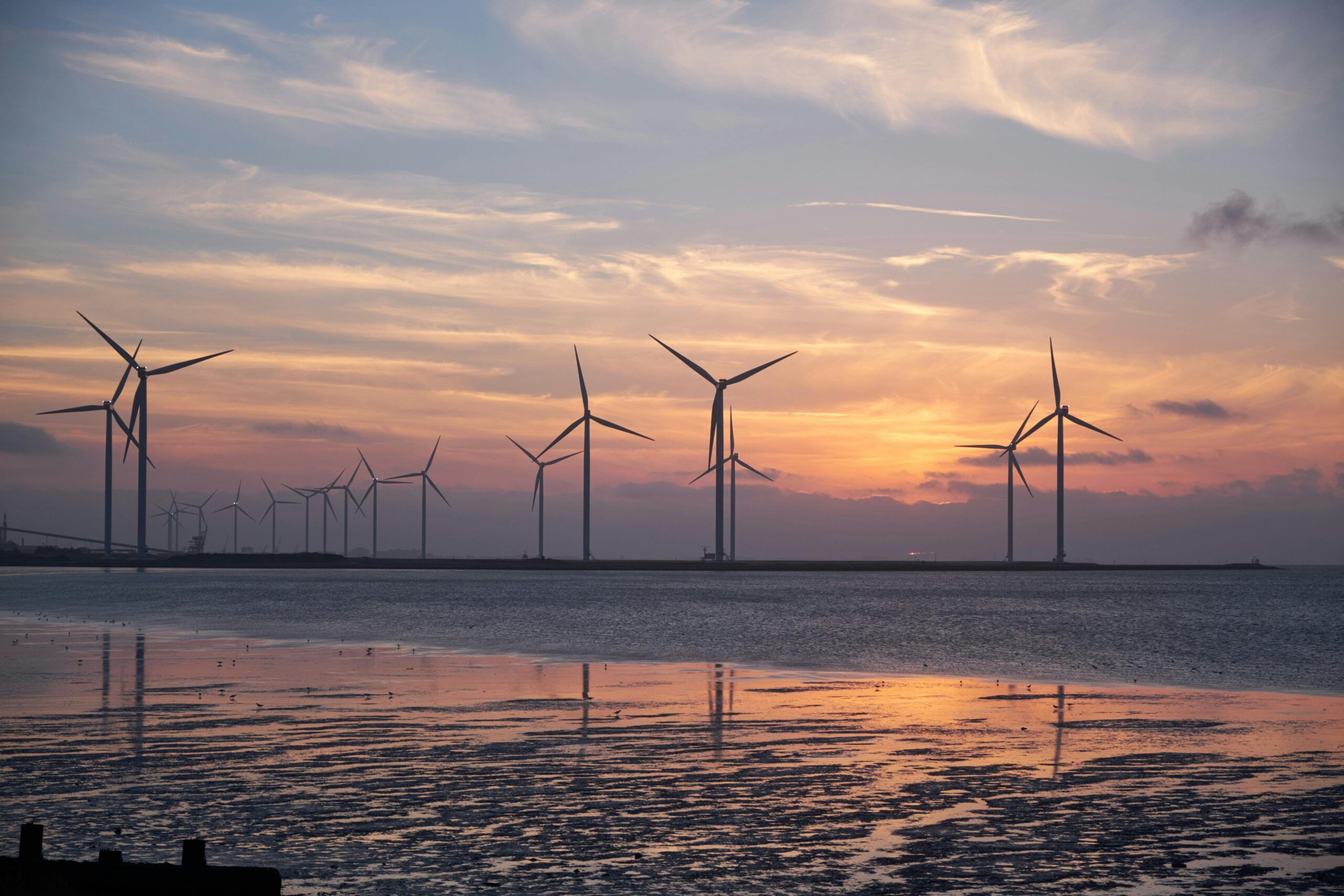
The framework for renewable energy will be developed in parallel with a new framework for energy efficiency (on whicha public consultation was also launched today) and alongside the review of the Governance Regulation (the consultationon whichclosed on 19 March 2026). This framework will be based on the Clean Industry Pact, the Action Plan for Affordable Energy, the Action Plan for Electrification and the Heating and Cooling Strategy, amongst other initiatives.
The deadline for submitting evidence is 16 April and the public consultation runs until 12 June 2026.
Background
First introduced in 2009, the Renewable Energy Directive establishes a framework and sets targets to increase the use of renewable energy in the EU. To accelerate the transition to clean energy, the Directive was revised in 2018 and again in 2023. The revised Directive sets a binding target of at least 42.5% renewable energy in the EU’s energy mix by 2030, with the ambition of reaching 45%. It also strengthens the enabling framework for the deployment and integration of renewable energy, through various measures such as improving financing and support schemes, promoting regional cooperation in the deployment of renewable energy, simplifying permit-granting procedures, increasing the efficiency of grid integration and electrification, promoting the decarbonisation of end-use sectors, supporting innovative technologies and promoting the sustainability of bioenergy.
Further information: European Commission
Publicaciones relacionadas:
 The Commission approves a Spanish state aid scheme to support the decarbonisation of heat used in industrial processes
 The Commission is proposing measures to protect Europeans from the fossil fuel crisis and accelerate the transition to clean, domestically produced energy
 The EU invests €650 million in cross-border energy infrastructure
 The EU is making good progress towards its 2030 CO₂ emissions reduction target
 EU invests €1.8 billion in clean tech projects
Leave a Reply