
For the second time in less than five years, Europeans are paying the price for Europe’s dependence on imported fossil fuels. AccelerateEU is the Commission’s toolkit designed to provide immediate support to European households and industries, particularly the most vulnerable, whilst putting Europe on a steady path towards energy independence. Since the escalation of the conflict in the Middle East, the EU has spent an additional €24 billion on energy imports due to rising prices, without receiving a single extra molecule of energy.
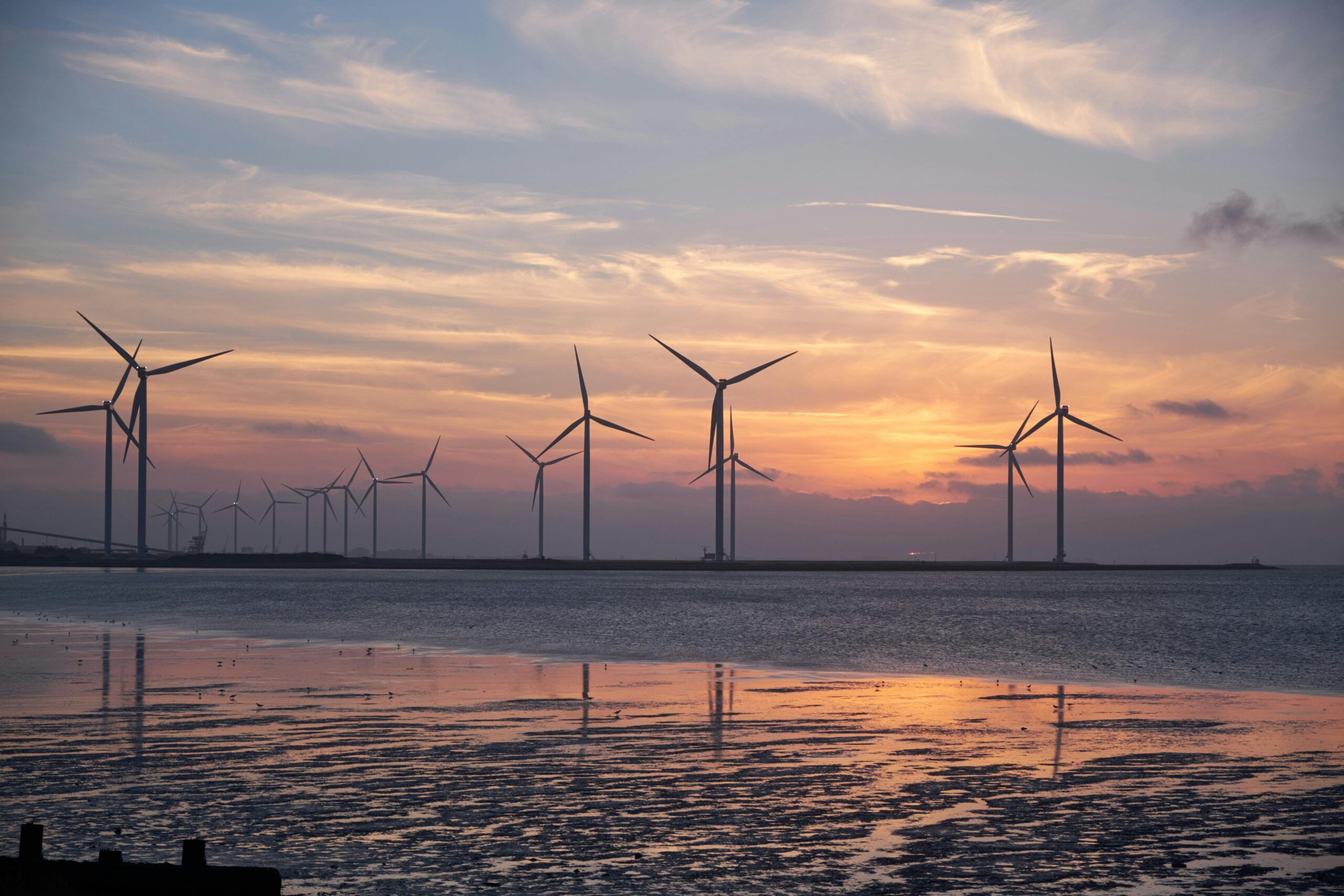
The current geopolitical situation is a stark reminder that accelerating the transition to clean, secure and affordable energy is an economic and security imperative. ‘AccelerateEU’ sets out both short-term measures and structural reforms with longer-term effects to further reduce dependence on volatile fossil fuel markets and strengthen Europe’s resilience to future risks, based on domestic clean energy and electrification.
The Commission proposes the following actions:
Coordination is essential.The Commission will ensure that measures at Member State level are carried out in full coordination. This includes the refilling of underground gas storage facilities, the use of flexibility mechanisms in refilling rules, or any exceptional release of oil reserves. The oil and gas coordination groups meet frequently to ensure full situational awareness among Member States. National emergency measures and measures aimed at ensuring the availability of jet fuel and diesel, including the availability of oil refinery production capacity, must be closely coordinated.
A new Fuel Observatory will be established to monitor production, imports, exports and stock levels of transport fuels in the EU.This will enable the rapid detection of potential shortages and, in the event of the release of emergency reserves, provide a basis for specific measures to maintain a balanced distribution of fuel. To mitigate the impact of high fuel prices and potential fuel shortages in the EU aviation sector, the Commission will also provide clarity on the existing flexibilities within the EU aviation framework.
Timely, targeted and temporary measures. Protecting consumers, including industry, against price spikes may include specific income support schemes, energy vouchers and social rental schemes, as well as reductions in excise duties on electricity for vulnerable households. The Commission will also adopt a Temporary Framework on State aid measures, which will provide additional flexibility to national governments, including emergency measures to support the most exposed economic sectors.
Accelerating the transition to domestic clean energy to replace oil, gas and fossil fuels for transport. By summer at the latest, the Commission will present an action plan for electrification. It will include an ambitious electrification target and measures to remove barriers to the electrification of the industrial, transport and construction sectors. The rapid implementation of the Sustainable Transport Investment Plan is essential to accelerate the roll-out of sustainable aviation fuels.
Strengthening the grid system. Electrification must be accompanied by a grid fit for purpose. The first steps are to ensure the full implementation of existing legislation and the swift conclusion of negotiations on the European electricity grid package. Another action is to maximise existing renewable energy infrastructure. The rapid repowering of large wind farms and renewable energy plants, including offshore wind farms and hydroelectric power stations, can quickly provide much-needed additional relief. The Commission will also present a legislative proposal on grid access tariffs and taxation, ensuring, amongst other things, that electricity is taxed less than fossil fuels.
Boosting investment. Significant resources are available at EU level, such as those from the Recovery and Resilience Facility (RRF: €219 billion) and cohesion policy funds. In the current crisis, speed and impact are paramount. The Commission will help Member States make the most of available EU funding. However, public money alone will not cover the significant investment needs (€660 billion annually until 2030) for the energy transition. Consequently, to mobilise private investment, the Commission adopted a Clean Energy Investment Strategy in March 2026. The Commission will organise a Clean Energy Investment Summit bringing together the financial services sector, including major institutional investors, industry leaders, project developers and public funders to accelerate private financing.
Background
Today’s ‘AccelerateEU’ Communication responds to the request made by EU Heads of Government at the European Council on 19 March to present ‘a set of specific temporary measures to address the recent sharp rises in the prices of imported fossil fuels as a result of the crisis in the Middle East’. It forms part of the Commission’s dynamic response, which will evolve as the situation develops. EU leaders will discuss the measures at the informal European Council to be held in Cyprus on 23 and 24 April.
Quotes
President Von der Leyen said: “The decisions we take today will shape our ability to tackle today’s challenges and tomorrow’s crises. Our ‘AccelerateEU’ strategy will provide both immediate and more structural support measures for European citizens and businesses. We must accelerate the transition to indigenous and clean energy. This will give us energy independence and security and enable us to weather geopolitical storms more effectively.”
Executive Vice-President Teresa Ribera said: “There is no alternative to the Green Deal when it comes to security and competitiveness. Once again, citizens and businesses are paying the price for our dependence. This Communication aims to strengthen EU coordination and protect the most vulnerable, whilst accelerating the roll-out of domestic clean energy and electrification to make a real and lasting difference.”
The Commissioner for Energy and Housing, Dan Jørgensen, said: “Europe is facing yet another fossil fuel crisis. This must serve as a wake-up call and a turning point, as Europe moves away from dependence on fossil fuels and towards clean energy self-sufficiency. With AccelerateEU, we are helping our Member States to provide immediate support to those most in need in our society, whilst doubling down on the clean transition and electrification. This is the only sustainable way to ensure a stable, secure, clean and affordable energy supply for all Europeans.”
Apostolos Tzitzikostas, Commissioner for Sustainable Transport and Tourism, said: “With today’s AccelerateEU Plan, we are taking action to address the consequences of the crisis in the Middle East and ensure that our transport system remains competitive and resilient. We will step up coordination to optimise the distribution of transport fuels across Europe, starting with aviation fuel. The Plan also provides clarity on certain flexibilities that should help the EU aviation sector cope with the consequences of flight cancellations and other disruptions. We will work closely with Member States and stakeholders to limit the burden of rising costs on citizens and businesses. Ultimately, we need to make our transport system and supply chains more resilient to future disruptions; this Plan is another step in that direction.
More information: European Commission.
Publicaciones relacionadas:
 Post-2030 renewable energy framework: Consultations begin
 EU will import 58% of its energy by 2020
 The Commission approves a Spanish state aid scheme to support the decarbonisation of heat used in industrial processes
 European Commission launches AggregateEU mechanism for joint gas purchases by European companies
 The European Commission approves a €120 million Spanish scheme to support investments in strategic sectors of the Asturias region
Leave a Reply