
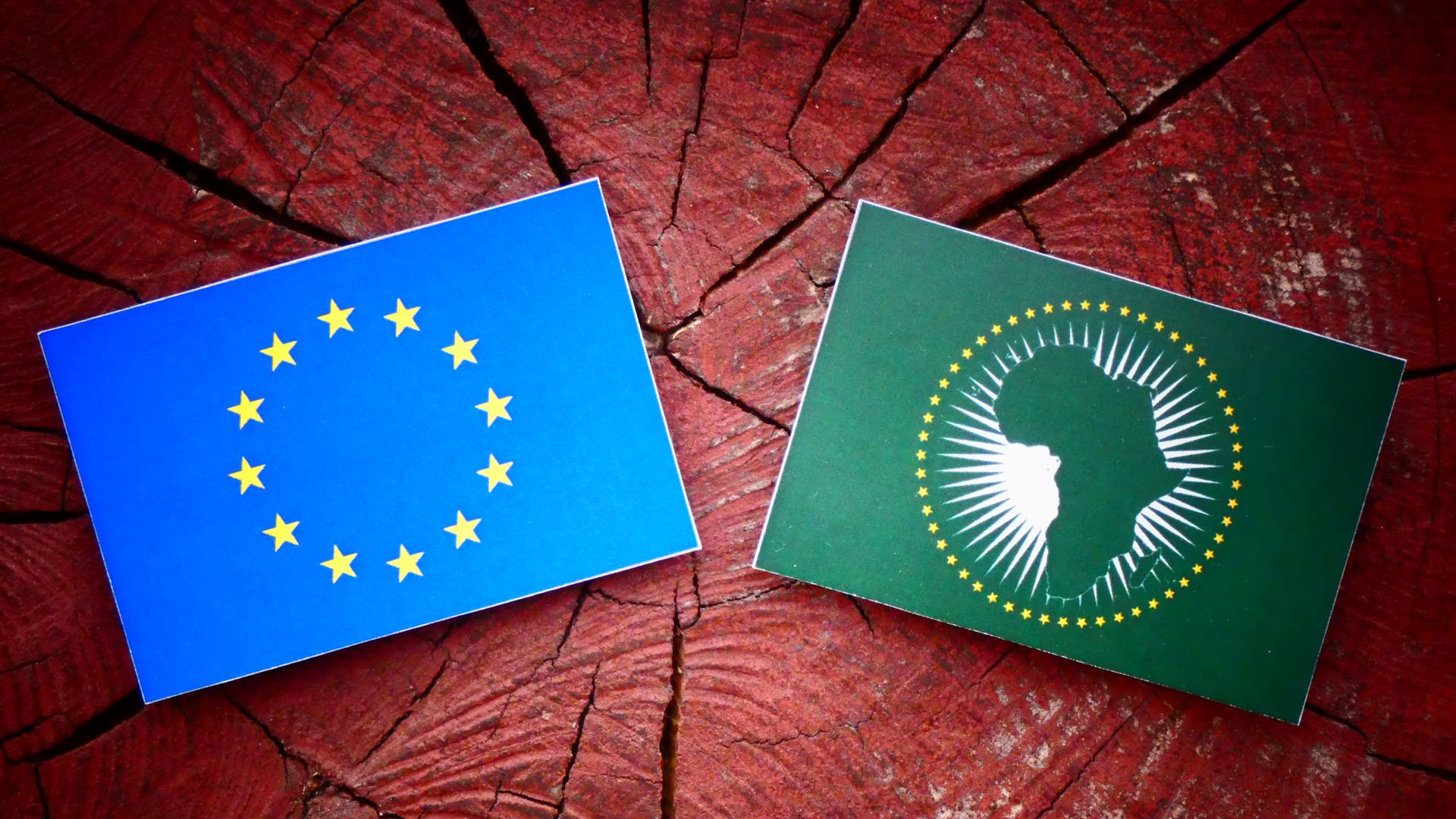
The European Commission has announced €235 million in humanitarian aid to support the most vulnerable people in West and Central Africa.
These funds will be allocated to people affected by current conflicts and food crises, those who have been forcibly displaced, host communities and hard-to-reach populations.
In the central Sahel, €75 million in EU humanitarian funding will provide a vital emergency response to conflict-affected and hard-to-reach areas. With more than 12.4 million people in need of assistance, the response will prioritise protection, alongside food assistance, health and nutrition services, emergency education, shelter, water, sanitation and hygiene. The funding will also cover disaster preparedness, support for humanitarian airlift operations and measures to ensure the safety of interventions and partners.
In Cameroon, more than €16.6 million will be allocated to fund programmes in food, health and nutrition, protection, emergency education, water, sanitation and hygiene, as well as shelter and disaster preparedness, to meet the needs of the most vulnerable displaced populations. Nearly 3 million people require humanitarian assistance, of whom 2.2 million are forcibly displaced.
In the Central African Republic, €22 million will fund multisectoral aid, including food and livelihood assistance, disaster preparedness, emergency education, health and nutrition, shelter and protection. Two million people are in need of assistance. The country is hosting more than 35,000 Sudanese refugees and some 7,000 returnees from the Central African Republic. Of the total funding, €4.5 million pledged by the EU at theThird International Conference on Sudan in Berlinwill be allocated to addressing the consequences of the Sudanese crisis in the country.
In Chad, more than €72 million will be allocated to providing essential services such as water, sanitation and hygiene, shelter, protection and food to address forced displacement in the provinces of Est, Lac and Hadjer Lamis, supporting both newly displaced people and host communities. Since April 2023, Chad has received 919,000 Sudanese refugees and 389,700 Chadian returnees. Of the total allocation, €60.8 million, announced at theThird International Conference on Sudan in Berlin, will be specifically allocated to meet the needs of refugees and returnees from Sudan.
In Mauritania, €4.8 million will be allocated to the emergency response for Malian refugees, Mauritanian returnees and vulnerable host communities, supporting food assistance, water, sanitation and hygiene, shelter and protection services, as well as disaster preparedness measures. The number of refugees and asylum seekers in Mauritania has now exceeded 400,000, the majority of whom are currently hosted in the Hodh Chargui region in south-eastern Mauritania.
In Nigeria, €33 million will be allocated to vital health and nutrition interventions in the north-eastern and north-western regions of the country. Funding will focus on areas where services are inadequate and acute malnutrition exceeds emergency thresholds, whilst also providing protection, food assistance, emergency education and access to water, sanitation and hygiene. Nigeria is facing its worst food and nutrition crisis in recent years: nearly 35 million people are in need of emergency food assistance and 6.4 million children are suffering from acute malnutrition, of whom 2 million are in a critical condition.
In coastal countries, more than €6 million will be allocated to provide emergency response, food assistance, health services, protection and coordination to the areas most affected by insecurity and population displacement. In Benin, Côte d’Ivoire, Ghana and Togo, more than 270,000 people have been forcibly displaced.
A further €6.4 million will be allocated to support regional projects.
Fund
The West and Central African region is ravaged by various humanitarian crises, with significant humanitarian assistance needs. The main driver of these crises is conflict, intensified by the adverse effects of climate change and a multitude of local factors related to governance, demographics and access to land and resources. The epicentre of these crises lies in the Central Sahel and Lake Chad regions, where the Central Sahel conflict is spreading to coastal countries, causing massive internal and cross-border displacement. The current crisis in Sudan is also severely affecting the resilience of Eastern Chad. In addition to these interrelated dynamics, isolated crises persist in north-western Nigeria, north-western and south-western Cameroon, and the Central African Republic.
More information: European Commission.
Publicaciones relacionadas:
 Europe leads pledging effort in campaign mobilising €15.5 billion for clean energy in Africa
 New initiatives promote immigrant integration in Hungary through language, art, and peer mentoring
 Food security in Horn of Africa: EU steps up support to drought-affected countries
 G7 leaders to meet in Hiroshima
 The Commission announces initial humanitarian aid of €1.8 billion for 2024
Leave a Reply