
With almost 300 million people estimated to need humanitarian assistance in 2024, the EU once again reinforces its commitment to support the most vulnerable globally. The Commission has therefore adopted its initial annual humanitarian budget of more than €1.8 billion for this year.
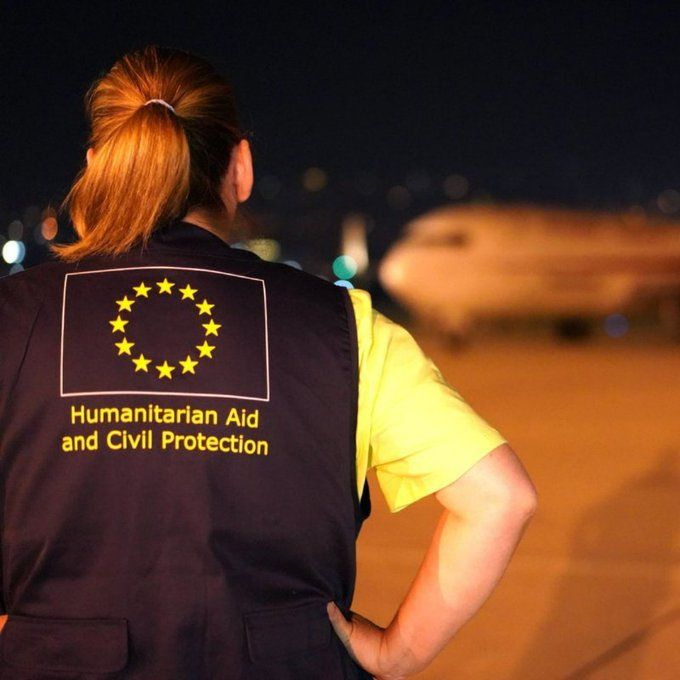
The European Commission’s humanitarian aid in 2024 will be allocated as follows:
- Almost €200 million will address the consequences of forced displacements, food insecurity, acute and chronic malnutrition, natural hazards and recurrent epidemics in the Sahel (Burkina Faso, Mali, Mauritania, and Niger), the Central African Republic and the Lake Chad basin (Chad, Cameroon and Nigeria), which are fuelled by conflict, insecurity and climate change.
- Around €346 million will support those in East and Southern Africa affected by long-term conflict in the Great Lakes Region and those displaced by extreme weather events and armed conflicts in Sudan, South Sudan, Uganda, Madagascar, Mozambique and the Horn of Africa (Djibouti, Ethiopia, Kenya and Somalia).
- Almost €470 million of EU humanitarian funding will be allocated in the Middle East and North Africa regarding the extreme humanitarian needs in Gaza and the Palestinian civilian population as well as the ongoing regional crisis in Syria, Lebanon, Yemen and its neighbouring countries.
- Around €115 million will be directed to Southeast Europe and the European Neighbourhood addressing mostly the consequences of Russia’s war of aggression in Ukraine, as well as funding projects for ongoing needs in the Western Balkans, the Caucasus, and the effects of the Syria crisis in Türkiye as well as the lasting consequences from last year’s earthquakes.
- €186 million in humanitarian assistance will help the most vulnerable populations in South Asia and the Pacific, targeting mainly the humanitarian response in Myanmar, Bangladesh and the Philippines, while also addressing the impact of climate change in the region.
- €111.6 million will be allocated to Central and South America and the Caribbean, where we will continue supporting the response to the impact of the crisis in Venezuela, the humanitarian consequences of the armed conflicts in Colombia, a multi-layered crisis in Haiti, as well as pervasive violence in Central America, Mexico, and Ecuador. In addition to this, the region is exposed to frequent natural hazards.
- Around €315 million are reserved for responding to sudden-onset emergencies and unforeseen humanitarian crises that may arise throughout the year.
- More than €98 million will be committed to horizontal activities, innovative projects and policy initiatives, for example, the multi-year programmatic partnerships, and the enhanced response capacity.
Background
The European Commission has been providing humanitarian aid since 1992 in over 110 countries, reaching millions of people across the globe each year. Its assistance is delivered through humanitarian partner organisations, such as European humanitarian non-governmental organisations, international organisations (including UN agencies), and specialised agencies in the Member States.
The European Commission tracks closely the use of EU funds via its global network of humanitarian experts and has firm rules in place to ensure funding is well spent.
In 2021 the European Commission published a Communication proposing to strengthen the European Union’s global humanitarian impact in order to meet the substantially rising humanitarian needs exacerbated by the COVID-19 pandemic. The Communication proposes a series of key actions to expedite the provision of humanitarian aid by expanding the resource base, supporting a better enabling environment for humanitarian partners and addressing the root causes of crises through a collective European approach. It highlights a renewed focus on advocating for and ensuring the respect of international humanitarian law (IHL) and sets out to step up the cross-sectorial collaboration to invest in community resilience, especially in the face of the rising absence of basic services and the dramatic humanitarian impacts of climate change on the most vulnerable.
For more information: European Commission
Publicaciones relacionadas:
 European Commission announces €11 million in humanitarian aid to Central America and Mexico
 The European Commission will provide more than 75 M € in humanitarian aid to support Venezuelans
 Joint Statement on Solidarity with Morocco
 Coronavirus: EU Humanitarian Airlift to Iraq and New Funding
 COVID-19 evolution in Africa: May-July 2020
Leave a Reply